

So, in 1975, I was asked by the Electricity Department if I would lead an archaeological survey of the area to be drowned once the flow of the Clutha was halted by the new dam. I assembled a team of colleagues and students, and we found ourselves based in the shearers quarters of the Brown family’s Locharburn Station.
My wife and I pitched our tent nearby and she learned how to shear a sheep from world champion Snow Quinn. It was a wonderfully hot summer, and we covered the Cromwell Gorge inch by inch for archaeological sites before moving up to Lowburn, and Queensberry.
We were overwhelmed with discoveries. First, there were transit sites where Māori had moved through the region bound for the pounamu of the West Coast. Then the rock shelters where Chinese miners had lived while gleaning for gold.
After recording one of these, we bought some apricots at a stall manned by Bella McGilligot, who then deep into her 90s, named the resident miner.
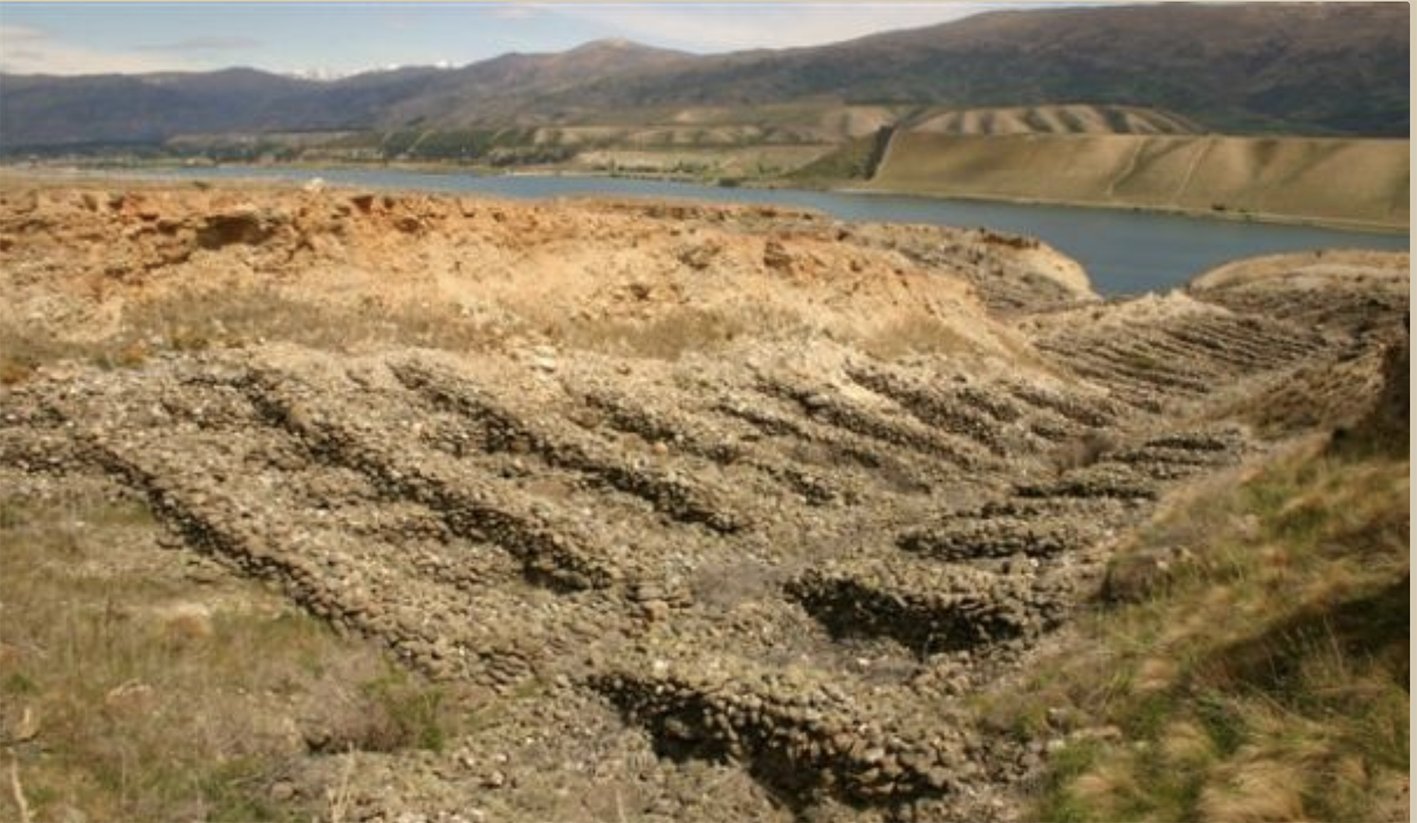
Lowburn was then a lunar landscape of tailings where the dredgers had churned up the bed of the mighty Clutha with no subsequent remedial action. But most impressive, from my experience, were the herring-bone tailings at Northburn. Fed by a water race that covered tens of kilometres to fill the storage dam, a jet of water was blasted into the gold bearing rock to send the slurry down a chute where the heavy gold accumulated over coconut matting.

I was pitch-forked into emphasising to the ministers the importance of the cultural heritage sites to be drowned by the dam.
As I spoke, Bill Young was sound asleep and Warren Cooper found the possibility that tourists would be interested in goldfield history faintly amusing. The dam, of course, proceeded.
One wonders if the same will happen with the Bendigo mine.


