


A Dunedin man was found guilty in the High Court at Dunedin last week of murdering his ex-employee. Rob Kidd looks at how police built an overwhelming case against him and how the defendant’s lies sealed his fate.
After 11 days of evidence and more than 50 witnesses, it boiled down to one simple message.
"Apply your common sense," Crown prosecutor Richard Smith told jurors in the High Court at Dunedin last week.
"It’s not rocket science."
True, it was not rocket science, but it was close.
What sunk 35-year-old Rajinder was forensic science — the infinitely complex process of DNA analysis performed in a sterile laboratory, coldly, dispassionately.
On the evening of January 28 last year, Rajinder went to 27-year-old Gurjit Singh’s Liberton home and murdered him, a frenzied and ruthless attack that left the victim with at least 46 wounds amid a blood-spattered crime scene.
Pathologist Dr Andrew Gilkison found there had been repeated slashing to the neck, giving the appearance of an incomplete decapitation.
Such was the level of Rajinder’s unbridled ferocity, he also inflicted a wound to himself, just in the webbing between his left thumb and forefinger, small but deep.

It was on the carpet of Mr Singh’s Hillary St home, on his wall, his couch, on a curtain.
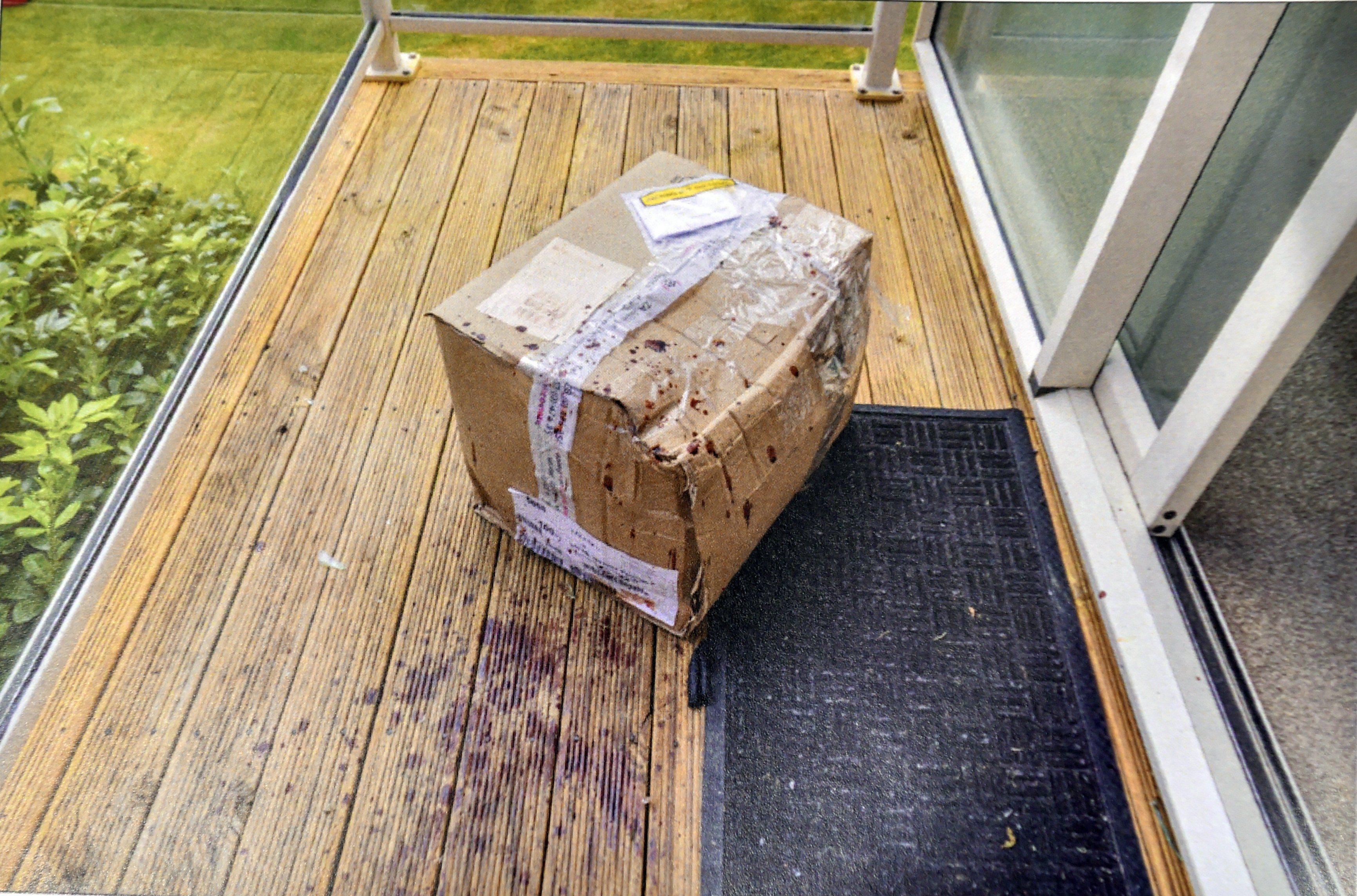
The victim somehow smashed through a large window in his dining room during the initial melee and Rajinder pursued him outside.
Mr Singh’s body was left sprawled in his garden where a friend found him the following morning.
Rajinder’s trail of blood continued to the concrete path, the front gate and the road beyond it.
The DNA, the court heard, was 500,000 million times more likely to be the defendant’s than anyone else’s.
That alone would surely have been enough to convict him, yet there was more.
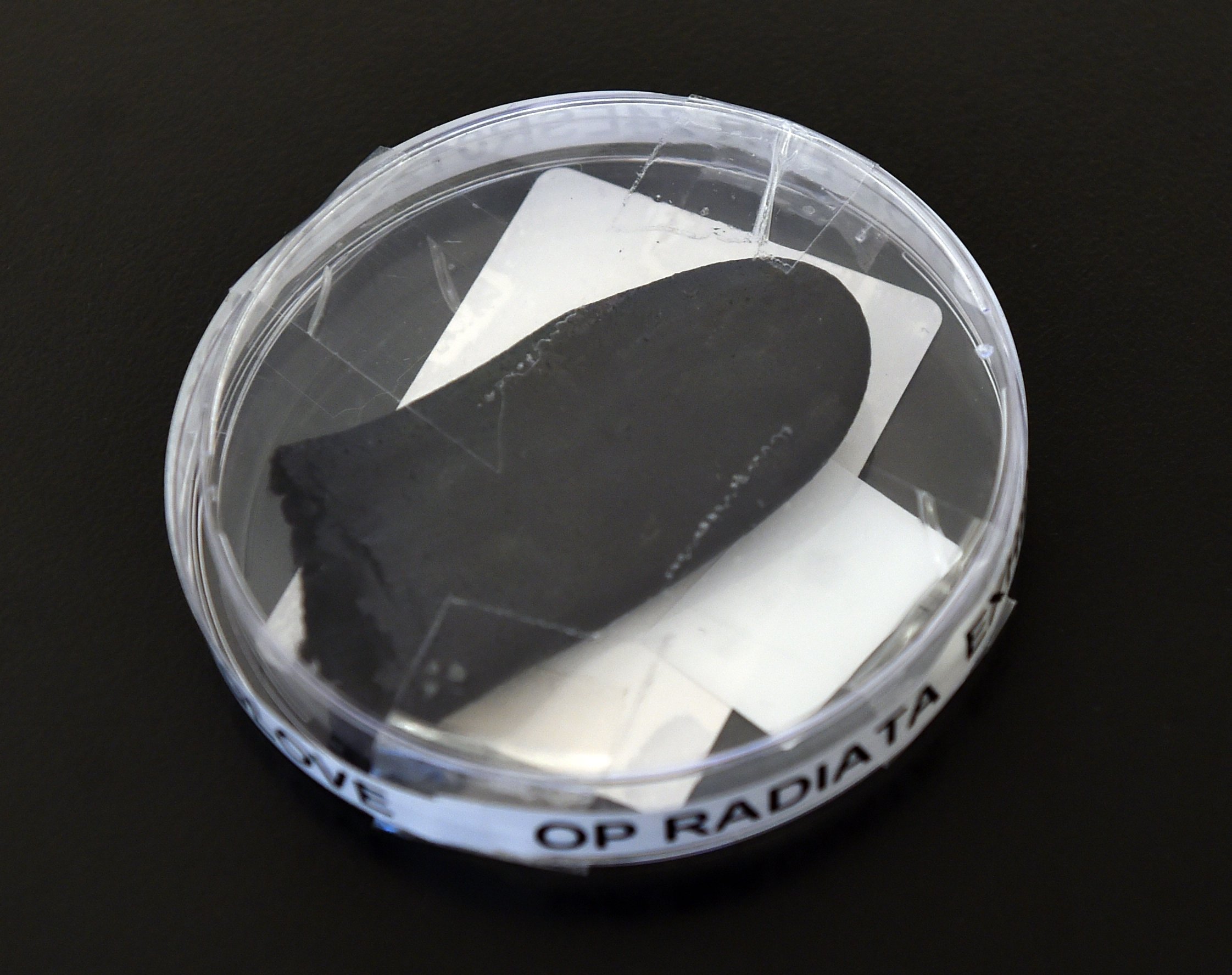
The torn thumb of a glove, matching a pair Rajinder had bought just hours earlier, was found on the blood-spattered deck.
During the autopsy, several long black hairs were seized from Mr Singh’s hand.
One bearing a root matched Rajinder’s DNA.
Forensic scientist Kate Stevenson described it as providing an "extremely strong" link to the defendant, the highest category of evidential confidence.
It was an understatement.
Gurjit Singh arrived in New Zealand in 2015 on a student visa.
Harjit Kaur met him in 2017 while the pair were both finding their way in a new country.
They flatted together in Auckland for nearly a year and became close during the limited time they were not working.
Harjit Kaur described Mr Singh as a "really hardworking guy", often doing two jobs for 16 hours a day.

The defendant had a similar story.
He too came to the country in 2015, initially as a student, before a succession of visas ended in permanent residency.
Rajinder set himself up as a Downer contractor, employed to install fibre-optic cables for Chorus.
Business was good and in 2022 he placed a job ad online looking to take someone on.
Mr Singh worked for him for nearly a year but he wanted a bigger slice of the financial pie.
He later told a friend, Tarsem Singh, he wanted to "build an empire".
The victim, he said, was a "too-hardworking guy", often on the job seven days a week.
Mr Singh’s departure from Rajinder’s employ was nothing controversial. Others gave evidence at trial that it was the natural progression of things.
Ambitious migrants would initially work for someone else, learning the skills, accumulating the capital, then establish themselves as a contractor.
As police scrambled to speak to colleagues in the days following Mr Singh’s death, Rajinder was an obvious interview given the employment history.
He spoke of his respect for his ex-worker.
"He was a very good person to be honest. I met a lot of people in New Zealand but he was one of the best person," he said in a thick accent, high pitched and almost wheezy in tone.
Rajinder said he was happy for Mr Singh to start his own business, they had got on well, albeit with a "professional gap".
"I was technically boss," he said.
"I don’t have many friends. I always like to spend time with my family most of the time ... I'm not the party guy."
It was later backed up by their scant communication, which was all work-related.
No clear resentment, no friction, no animosity.
Rajinder said he was "totally shocked" by Mr Singh’s untimely death, so much so he had struggled to eat since hearing the news.
He acknowledged it was doubly difficult for the victim’s parents because he was their only son.
"It’s like ... you lost a diamond."
As the interview ended, though, Detective Constable Darrin Healy, relishing his Columbo just-one-more-thing moment, asked about the wound on Rajinder’s hand.
It was an old chainsaw injury, the heavily bearded man said.
One of the many travesties of murder is that the victim almost becomes a peripheral player in the judicial aftermath.
Mr Singh was a corpse on a lawn, blurred in all the photos given to the jury.
And his personality was equally indistinct.
He met Kamaljeet Kaur online, a friend of a friend, on social media in 2021.
She briefly told the court how their friendship had blossomed, defying the distance and time zones between them.
But she was unable to express her love and grief — it was irrelevant to the trial process.

Kamaljeet Kaur married Mr Singh on May 29, 2023, a hastily arranged union just a few weeks after he had returned to India for the engagement.
It could have been different.
A matchmaker from a marriage bureau had earlier paired her with Rajinder.
Kamaljeet Kaur said she was not interested in the proposal but the defendant’s sister, Harmeet Kaur, said it was her family that kyboshed that prospective union.
The woman looked "a bit chubby" in her photos, she explained.
When the possibility was raised again later, there was a meeting arranged in India between the two families but Kamaljeet Kaur rejected the marriage and Rajinder also remained reluctant, she said.
Harmeet Kaur was flatting in Auckland with Mr Singh’s friend Harjit Kaur when she discovered photos on Instagram of the victim’s marriage to Kamaljeet Kaur.
She immediately called her brother Rajinder to inform him of the surprising coincidence and told the court he was unfazed by the bombshell.
"The world is so small," he reportedly told her.
Anyway, Rajinder had got married in January the same year and appeared settled with his new bride, Harmeet Kaur said.
"They were out every week, going for long drives, groceries, cooking, watching movies," she said.
On January 28 last year, Mr Singh did some work at his home with Jagmeet Buttar and informed him his wife’s arrival in the country was just days away.
The notoriously private Mr Singh told his colleague he was planning to drive to Christchurch, stay there for a few days, then return home to start their new lives together.
Mr Buttar told the court it was common for Downer workers to borrow tools from one another but the victim was concerned someone had been in his garage without asking.
Other friends described Mr Singh as security conscious, always ensuring his doors were locked, but there was never an obvious reason cited for his vigilance.
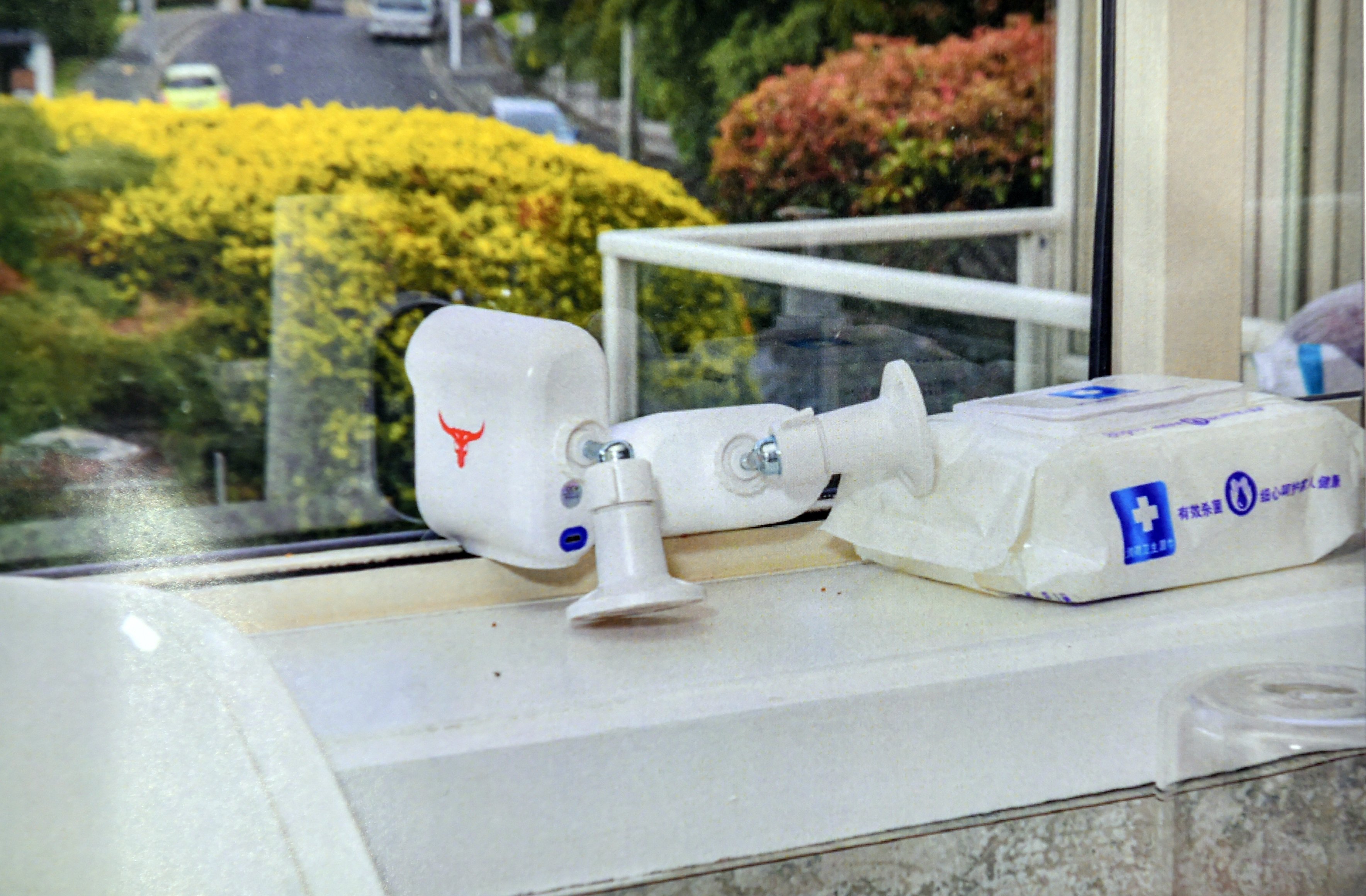
They would have given a perfect view of his killing had they been operational.
After Mr Buttar left, Mr Singh went to a pizza party at his friend Sunil Umat’s Helensburgh home, a short walk from Rajinder’s.
Mr Umat described the victim as "friendly, joyful, always laughing about something", and no-one saw any discernible change in his mood that night.
Within an hour of driving home, though, Mr Singh was dead.
Rajinder initially told police it had been a "lazy day" for him.
He woke up late, following an Uber-driving shift the previous night, and later visited the supermarket and an Indian grocer with his wife before watching some television and completing paperwork.
Rajinder said he was starting up an Amazon-style company in the United States and needed to "file logo and stuff".
It was only when police gained access to his bank statements that they discovered there had been a little more to his lazy day than he let on.
CCTV indeed showed him visiting Pak’nSave just after 3pm but next he travelled to Bunnings Warehouse where he bought a pair of Mechanix Wear Speedknit knuckle protection gloves.
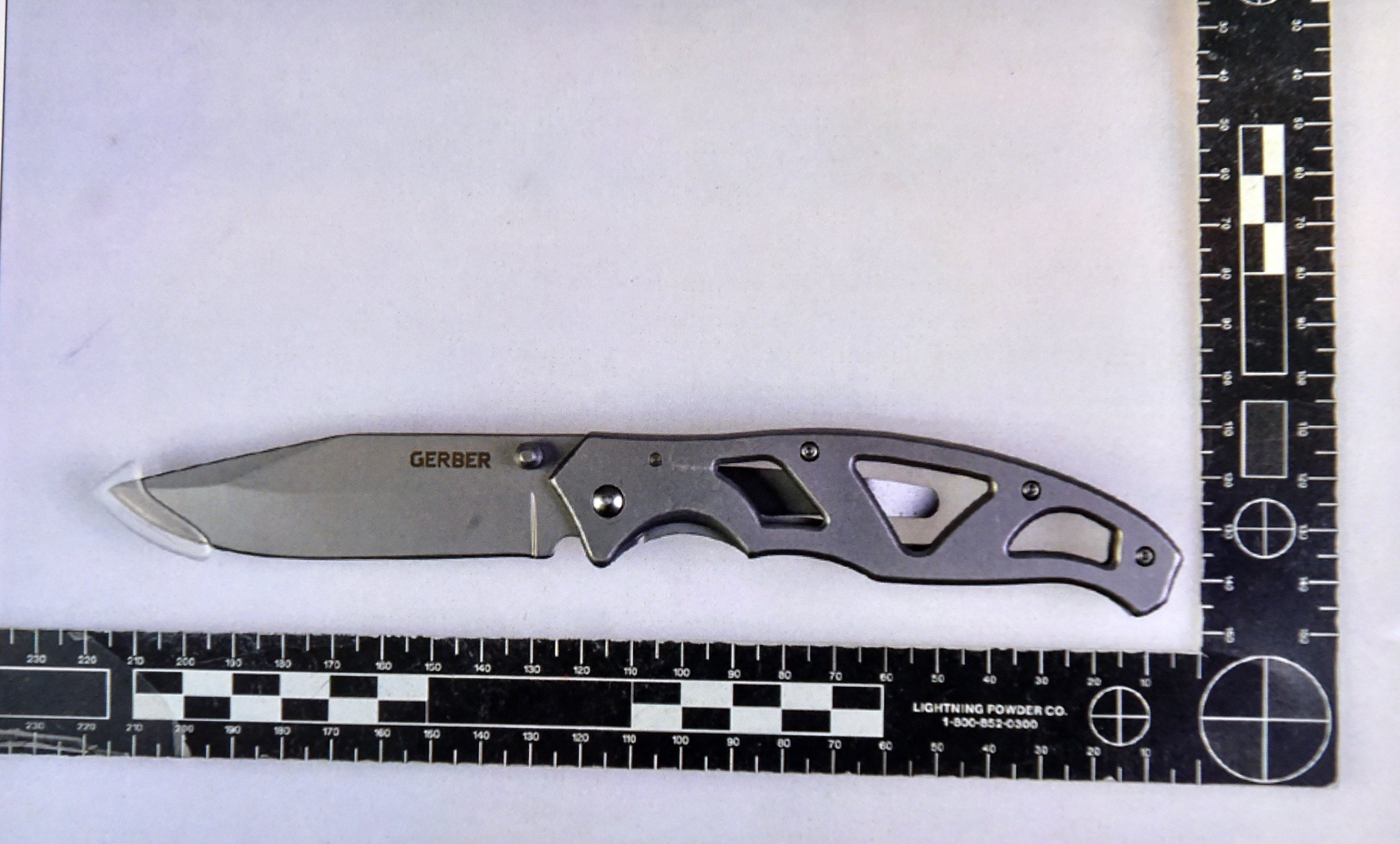
Twenty minutes later, Rajinder was in Hunting & Fishing where he bought a Gerber Paraframe II Clip Folding Knife and a merino neck gaiter.
A murder kit for $114.
The items were never found.
Rajinder’s defence team suggested they could have been missed by police who executed a search warrant at the defendant’s home, perhaps the knife was overlooked because it was still in its packaging.
It was not much of a defence, but it was all they had.
Mr Smith for the Crown called the defendant’s description of January 28, variously, "a number of lies", "ridiculous lies" and "a pack of lies".
Rajinder told police he did not know where Mr Singh lived and had never visited his home.
But a month earlier, digital forensic investigators found there had been a search for that specific address on his phone.
Even more damning was evidence on another device, used by both Rajinder and his father, which showed an identical search for Mr Singh’s property a couple of hours before the vicious attack.
The defendant’s phone was completely inactive between 10pm and midnight — the murder coming, according to the Crown, almost exactly in the middle of that timeframe.
After that, the device remained active all night.
Rajinder had said he was sleeping.
"It’s another lie," Mr Smith told jurors in his closing address.
When interviewed by police a second time on February 5, a week after Mr Singh’s death, Rajinder cut a different figure.
In the first sit-down, he reclined on a sofa at the Dunedin Central Police Station and joked with Det Const Healy about his inability to recall names and his wife’s desire he change his Toyota Prius because her workmates thought she was frivolously Uber-ing everywhere.
Rajinder casually tapped away at his phone, helping police with contact numbers and at one point signing off on a job.
Only days later, he was slouched forward, gesticulating, defiant.
"I gave you all the correct things in first statement. I didn’t lie in any of the statement," Rajinder told Detective Sergeant Reece Munro.
So was it an old chainsaw injury or not?
"Look here I wanna say I lied to you guys, just in this one," Rajinder said.
A lie becomes more obvious when its proponent becomes more talkative, as though they have to convince themselves as much as anyone else the truth of their words.
What followed in the transcript of the police interview were unbroken screeds of Rajinder’s meandering explanation.
He had bought a bike on the afternoon of the killing — it checked out, he had — and had loaded it into his vehicle.
Among his ramblings, he even described his father’s disappointment at him spending so much on it.
Around midnight, he said he had taken his wife to Mosgiel for a driving lesson and in the early hours of the morning pulled out the bike to give it a spin.
In doing so, the partially attached front wheel had come away and Rajinder had fallen, cutting his hand.
The only reason he had not been more candid with police about the injury was because he got scared and did not want to be implicated in the murder.
It would have been laughable if the situation was not so serious.
Det Sgt Munro, like his colleague earlier, saved his trump card for last.
He pulled out photos from a clear file and carefully placed them in front of Rajinder.
"What’s that?" the defendant asked.
"Your blood ... your blood is in the homicide scene on the path, gate and road," Det Sgt Munro said, jabbing his finger against the desk to punctuate each location.
It was "totally impossible", Rajinder said.
Almost 22 months later, the jury in Dunedin’s cavernous high courtroom heard from the forensic scientists that it was actually almost totally impossible it could be from anyone else.
Nearly all murder charges carry mandatory life imprisonment as well as a minimum non-parole period of 10 years.
For Rajinder it could be worse.
The Sentencing Act stipulates that a 17-year minimum can be imposed by the court if any one of a list of criteria are met.
Among them are murders that involved calculated or lengthy planning, unlawful entry or presence in a home, or involved a high level of brutality, cruelty, depravity or callousness.
Rajinder will be sentenced in April.


