
PHOTO
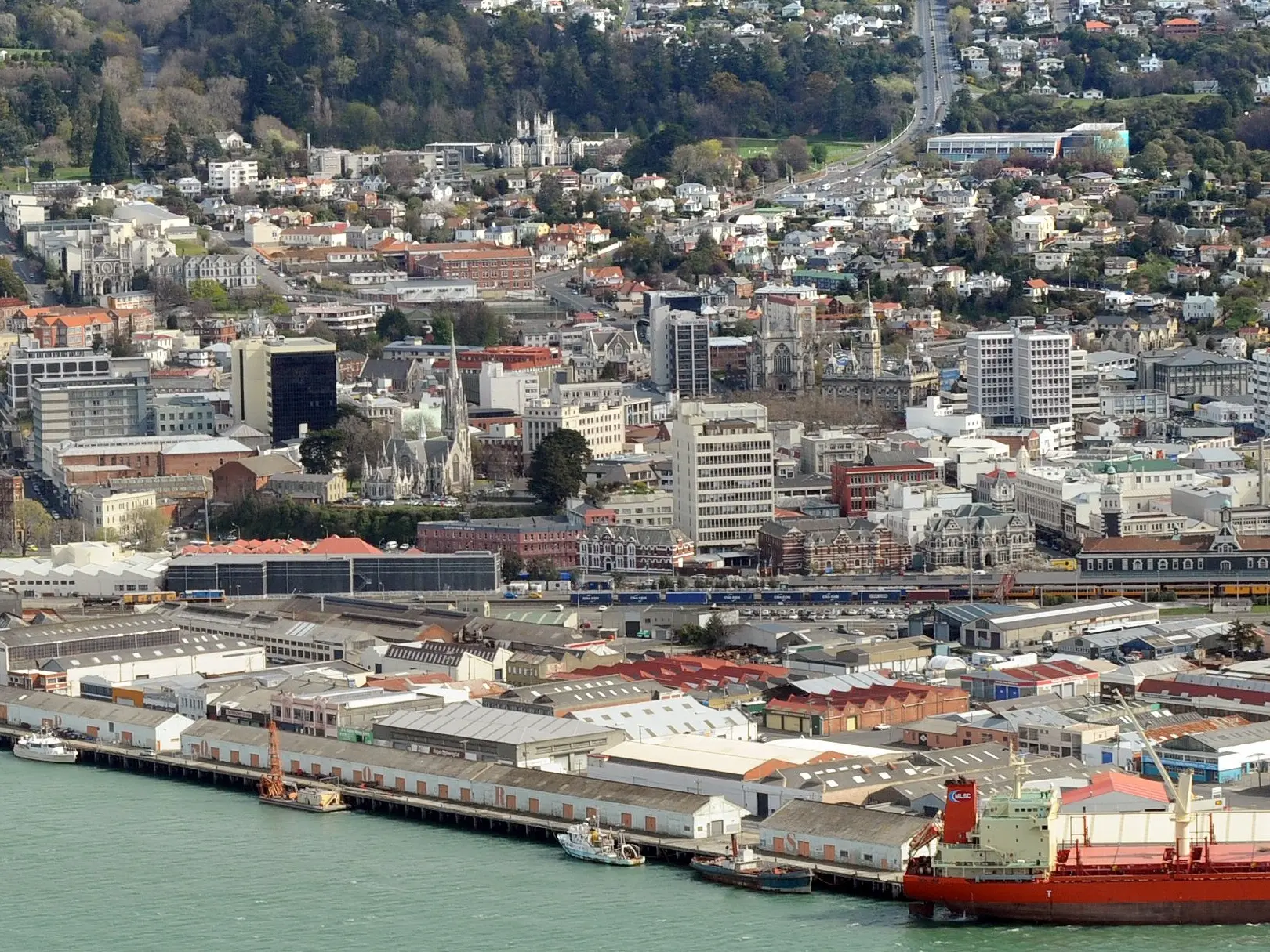
An investment in hydrogen as a green energy source could help Dunedin reach its carbon-neutral goal, a Dunedin City Council submission says.
The Ministry of Business, Innovation and Employment (MBIE) has released a green paper for consultation, looking at future uses of hydrogen as a clean energy alternative to fossil fuels.
The DCC, in its submission, said the initiative could help deliver carbon-neutral objectives in Dunedin and across the country.
The DCC has committed to reaching its carbon net-zero goal by 2030, while the Government is aiming to generate 100% of the country's energy from renewable sources by 2035 and reach carbon neutrality by 2050.
However, a recent report, the Dunedin Energy Study, spelled out the challenges facing the city.
It found total energy use across Dunedin was up 5% in 2017-18 and that diesel remained the single largest energy source used in the city, at 33%, while renewable sources were down 2%, to 32%.
Altogether, transport emissions also amounted to 28.4% of Dunedin's total carbon footprint.
That made the shift to clean energy sources, particularly in the transport sector, "especially important'' for Dunedin, the DCC submission said.
The council wanted to see more research and development aimed at transport-related applications for hydrogen, as well as "real world'' use of those technologies, it said.
DCC senior policy analyst Sean Jacobs said hydrogen could be produced by electrolysis - running electricity through water - but the process was typically reliant on electricity generated from non-renewable sources.
Powering the electrolysis process from renewable sources, such as wind turbines or hydro, would create "green'' hydrogen that helped decarbonise the city, rather than "grey'' or "brown'' hydrogen fuelled by non-renewable energy sources.
Mr Jacobs said hydrogen used at present was typically stored as a compressed gas or liquid in tanks, but new approaches could be needed depending on the end use.
The council urged MBIE to consider ways in which "greater hydrogen uptake at a local level'' could be encouraged.
"The are many opportunities around green hydrogen that need to be explored further. But its main benefits are around decarbonisation and its potential for wide application - from being able to produce clean industrial foodstock to clean power and fuel,'' Mr Jacobs said.
Earlier this year, a report by Sapere Research Group, commissioned by the Queenstown Lakes District Council, also identified hydrogen production as a potential industry for the district.
The district's potential to be a "test bed for hydrogen economy technologies'' was high, due to its unique geography, local expertise, and globally recognised branding, as well as being a strong step to produce a resource with little to no emissions, it said.
The DCC submission would be considered by councillors at today's full council meeting.