
PHOTO
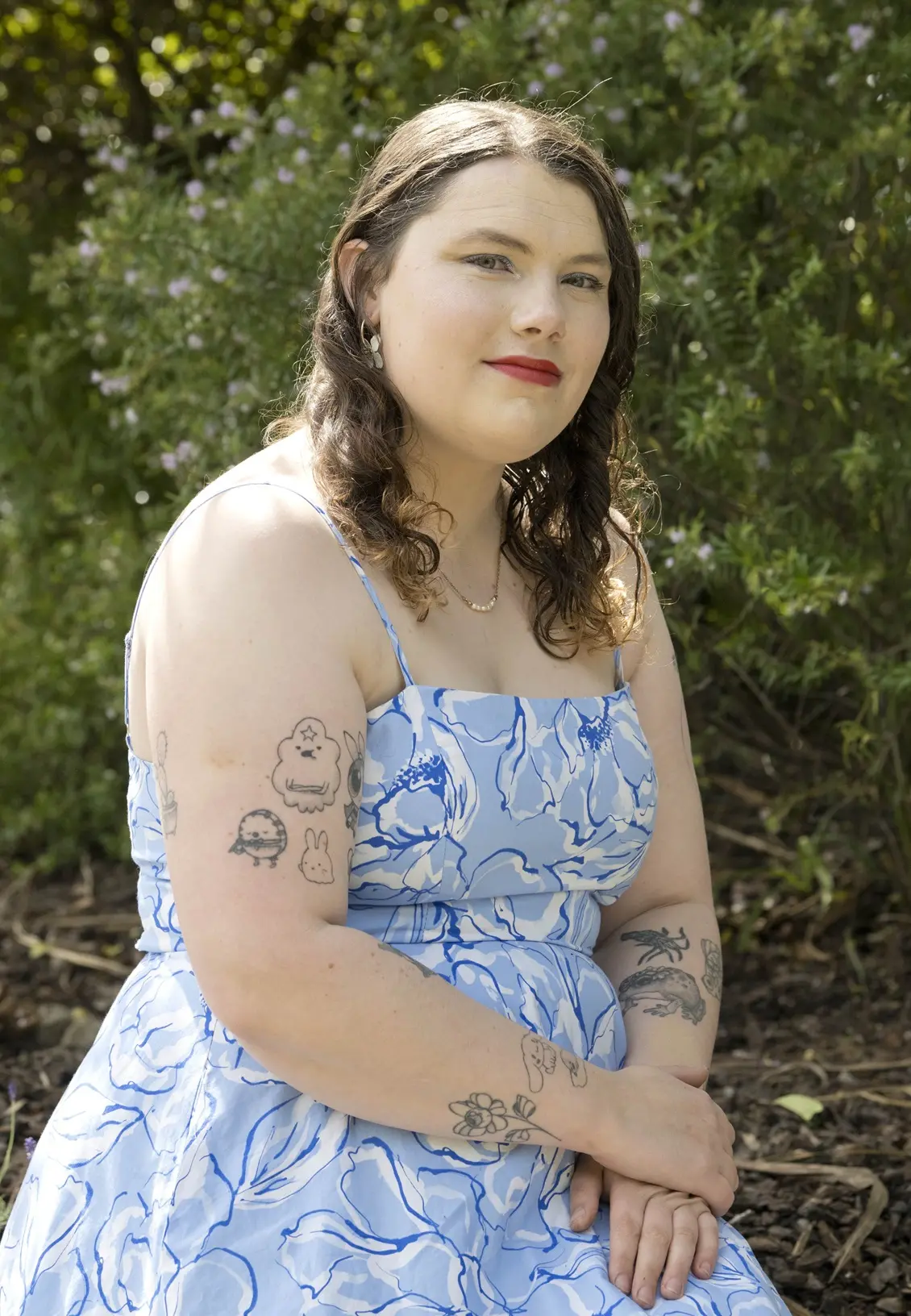
A 27-year-old Dunedin woman has effectively been put into menopause while she waits for surgery in New Zealand’s poorly performing health system.
Holly Peck-Locke was diagnosed with endometriosis in 2024 and is still waiting on a date for surgery to remove problematic tissue, which will reduce the debilitating pain, lesions and excessive bleeding and potentially improve fertility.
In the meantime, she is on strong medication to induce a menopause-like state which reduces those symptoms, but it leads to a variety of other symptoms ranging in severity.
"I am expecting a long wait, even though I am on the semi-urgent list, which I have been on since October of this year.
"At this stage, I don’t think I’ll get one until probably April or May.
"A friend of mine had to wait two years to get her surgery. I’m worried that I’ll be in the same boat.
"I feel like my story about my experience in the current health system is one that should be told, because I am sure many other women are experiencing the same thing."
In October 2024, a cyst ruptured on her right ovary and she went to Dunedin Hospital’s emergency department, she said.
After they found a lot of fluid in her lower abdomen, she was sent home and told to rest.
Three days later, she returned to the ED with sharp pain in her lower right abdomen, and they found she had an inflamed appendix.
"I was somewhat relieved because I know that generally, they would remove it when it was causing problems.
"However, I was told that they weren’t going to be removing it at the hospital. Instead, once again, I was sent home to rest."
After that, she started experiencing the same pain in her lower right abdomen every month, coinciding with her period beginning, she said.
"Just as sharp and painful. Annoyingly, because I haven’t had my appendix out, I couldn’t rule out that it was appendicitis."
It meant she had been back to the ED nine times over the past year, worried that her appendix might be about to burst.
More recently, she got the endometriosis diagnosis.
"They sent me home to wait to be seen by the specialist that I needed to see.
"Almost every time I go there, there is a consensus that I need to see surgery, but because I am not dying on that day, they don’t, or can’t, refer me to be seen, which in my opinion is stupid because if you are in that much pain, and a surgery could actually solve it, then why not do it."
If they just did the surgery, it would prevent more trips to the ED and cut the surgical wait time down, she said.
"It is like they try to use the lack of medical knowledge by the general public, to get away with lack of care.
"However, unlike most, I have quite a deep understanding of medical knowledge and drugs due to taking first year health science at the university."
To date, she had had two ultrasounds, one CT scan, two consults with general surgery, one private gynaecology appointment and one public gynaecology appointment, she said.
"I’m still waiting to get my surgery date, and see the pain specialist.
"I have lost my job, and I’m now living back at home.
"Now I have to look for work in a field which allows me to do minimum physical labour.
"I have been put in to menopause while I await my surgery, which at 27, is just really sad.
"My life has been put on hold, and I can’t move forward with wanting to have children or anything like that until I’ve had surgery and I’m off this menopause drug.
"That’s something really concerning. And my biological clock is ticking in terms of age."
Miss Peck-Locke’s story is just one of many that have been shared with the Otago Daily Times lately.
Figures released by Health New Zealand Te Whatu Ora showed only 54% of Southern patients waited less than four months for elective treatment, the worst-performing health region in the country.
The region does not fare much better when it comes to the wait times for a specialist appointment, with only 56% waiting less than four months — making it the third-worst region.
Have you been affected by excessive surgery wait times? Email reporters@odt.co.nz