


Grace Turton (8), Mbali (7) and Samora Zuba (5) all of Mosgiel beat the sun to their icecream, just, outside the Fairfield store where it was 36degC at the time. Photo: Christine O'Connor : Hotter than ever as heat peaks
Grace Turton (8), Mbali (7) and Samora Zuba (5) all of Mosgiel beat the sun to their icecream, just, outside the Fairfield store where it was 36degC at the time. Photo: Christine O'Connor : Hotter than ever as heat peaks
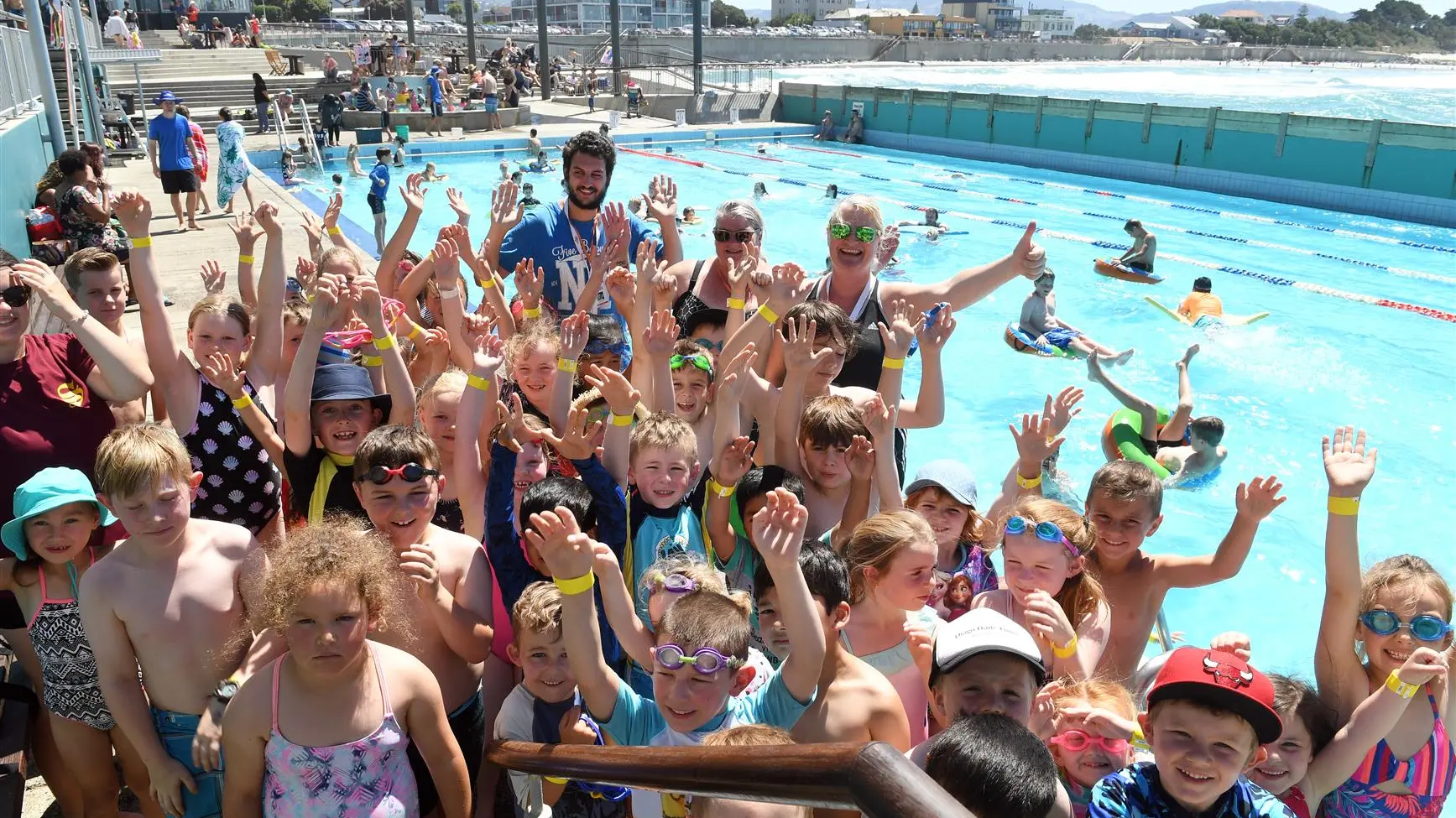
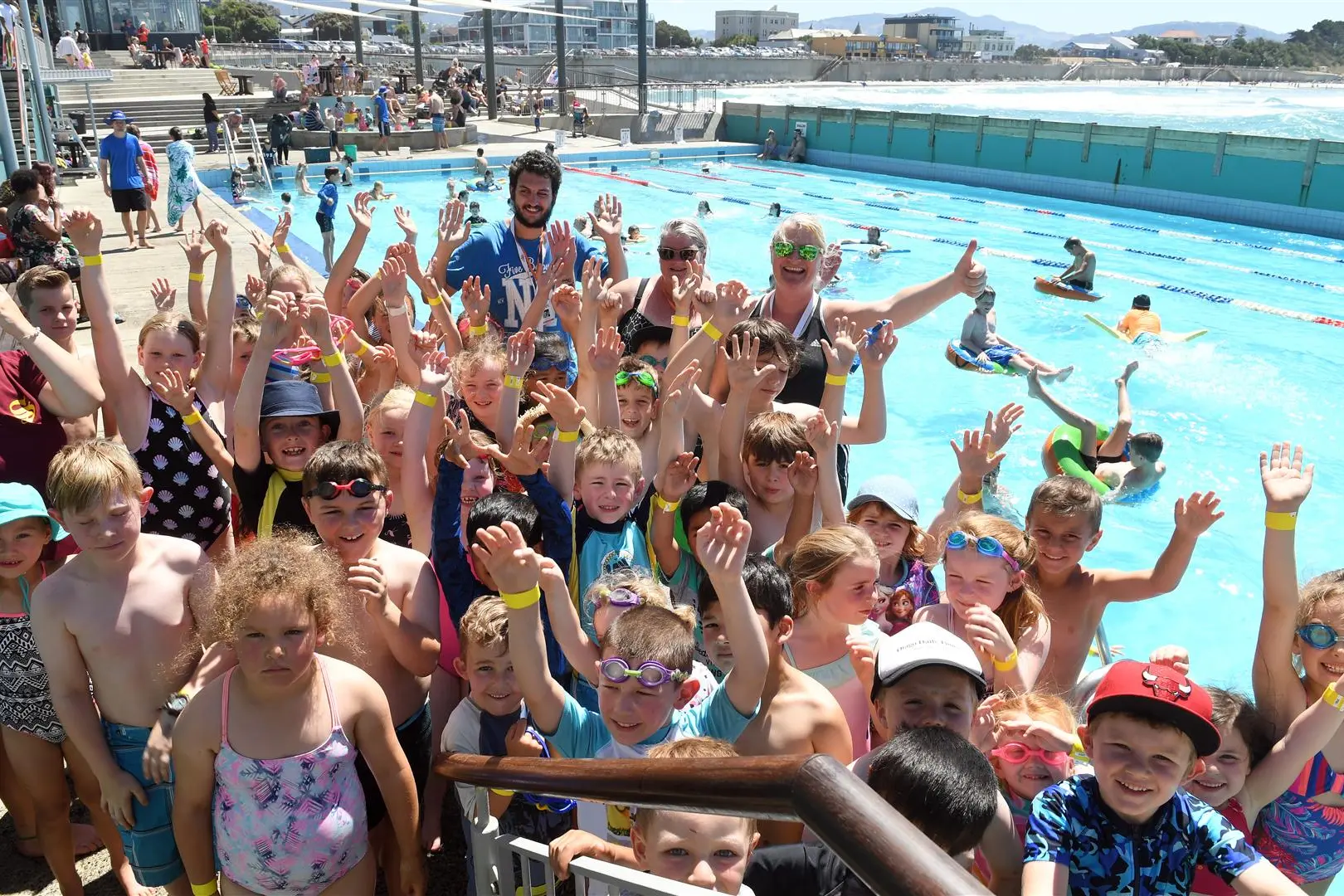
About 80 children participating in the Magic holiday programme took a dip at the St Clair Hot Salt Water Pool yesterday. Photos: Stephen Jaquiery : Hotter than ever as heat peaks
About 80 children participating in the Magic holiday programme took a dip at the St Clair Hot Salt Water Pool yesterday. Photos: Stephen Jaquiery : Hotter than ever as heat peaks
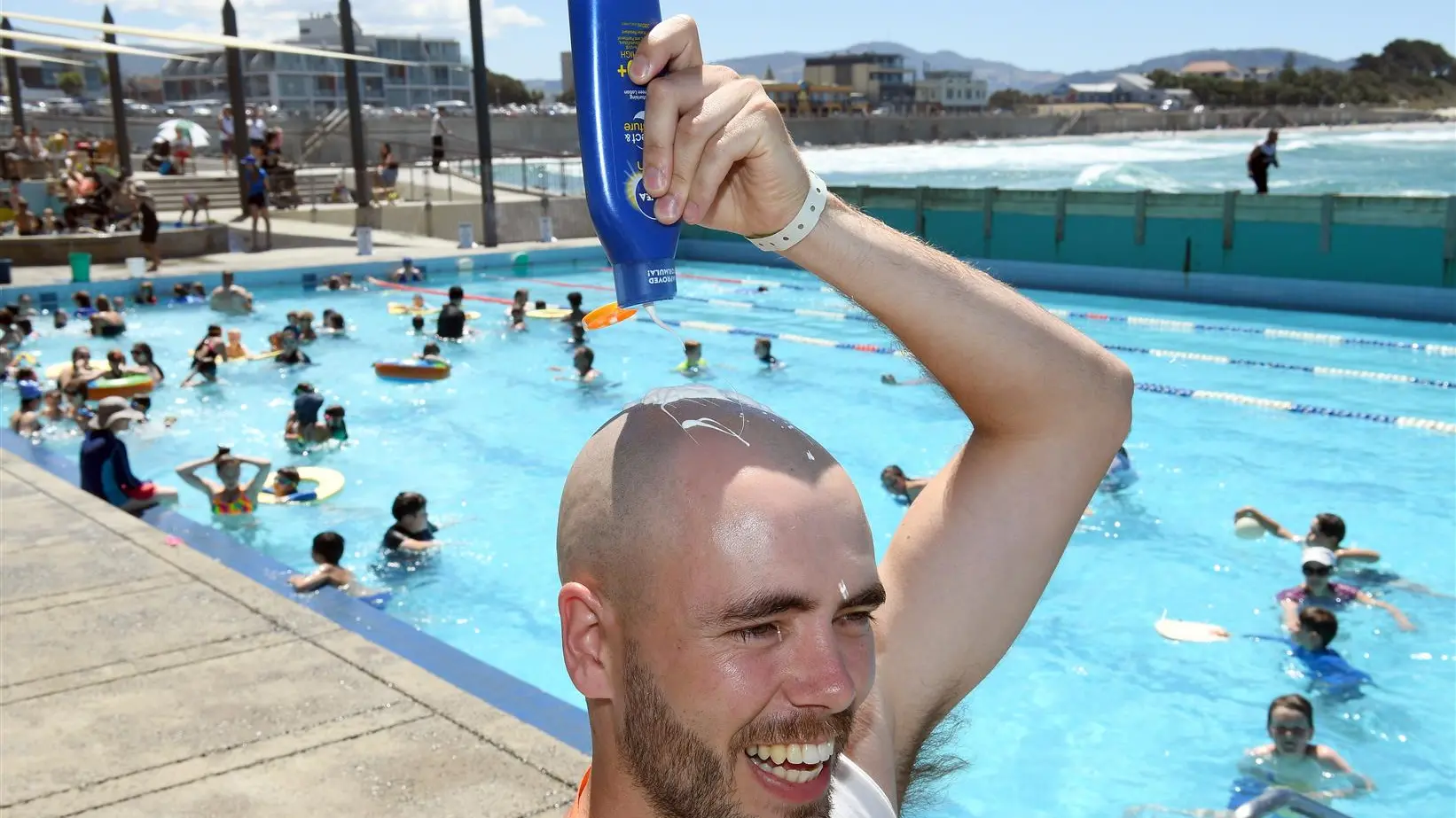
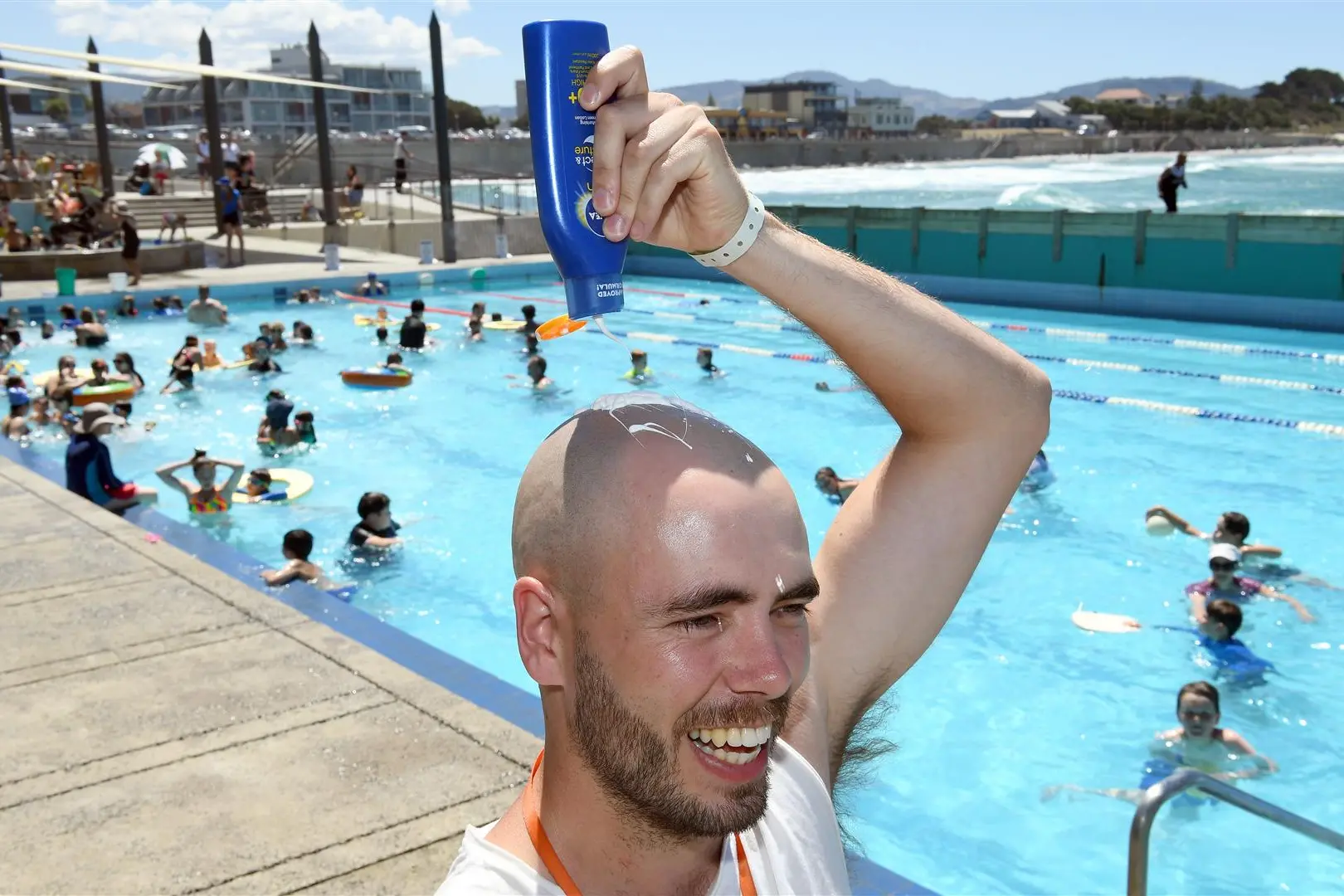
Mike Barnes, from the Magic holiday programme, applies a generous quantity of sunscreen at the hot water pool yesterday. : Hotter than ever as heat peaks
Mike Barnes, from the Magic holiday programme, applies a generous quantity of sunscreen at the hot water pool yesterday. : Hotter than ever as heat peaks
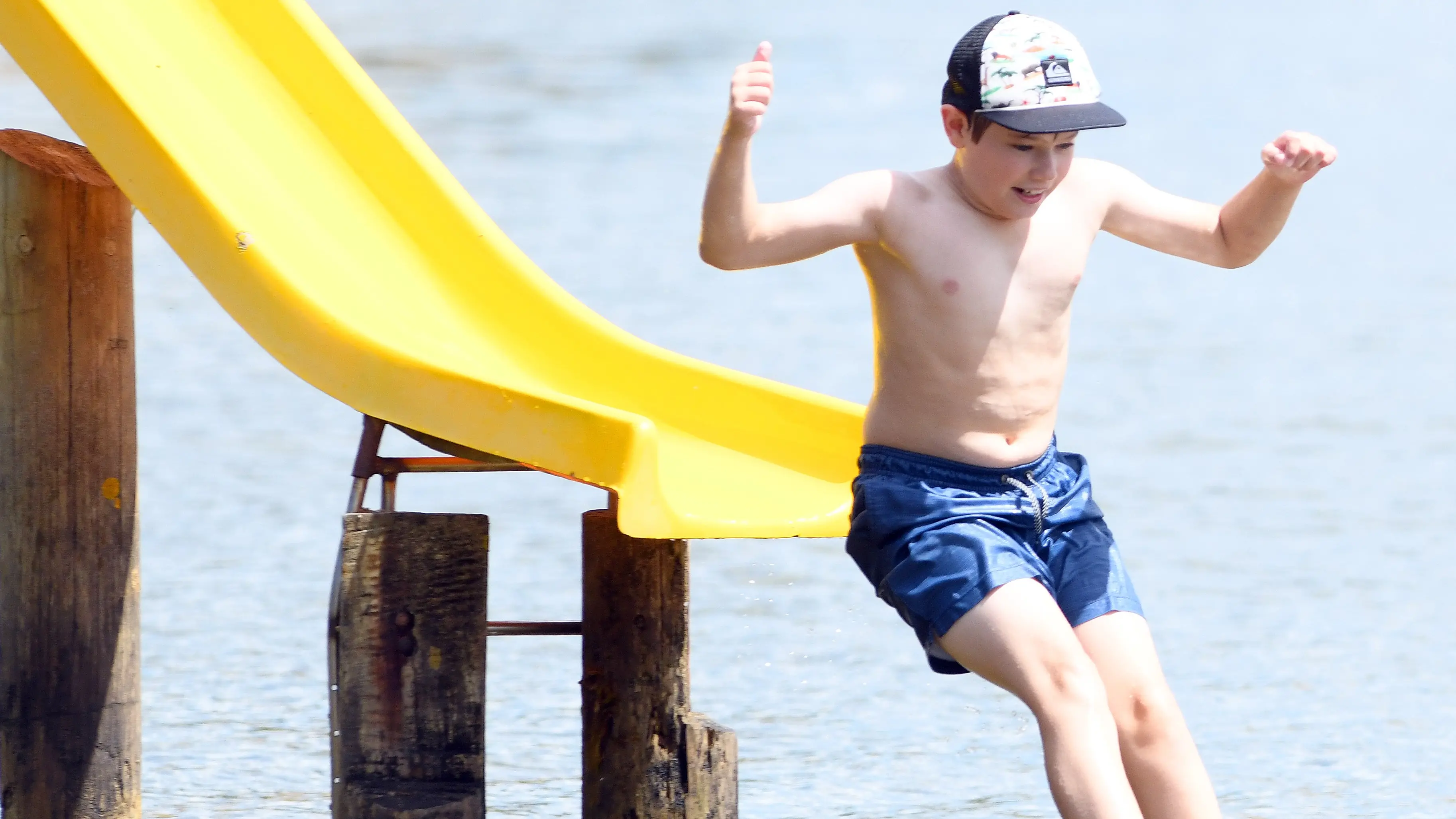
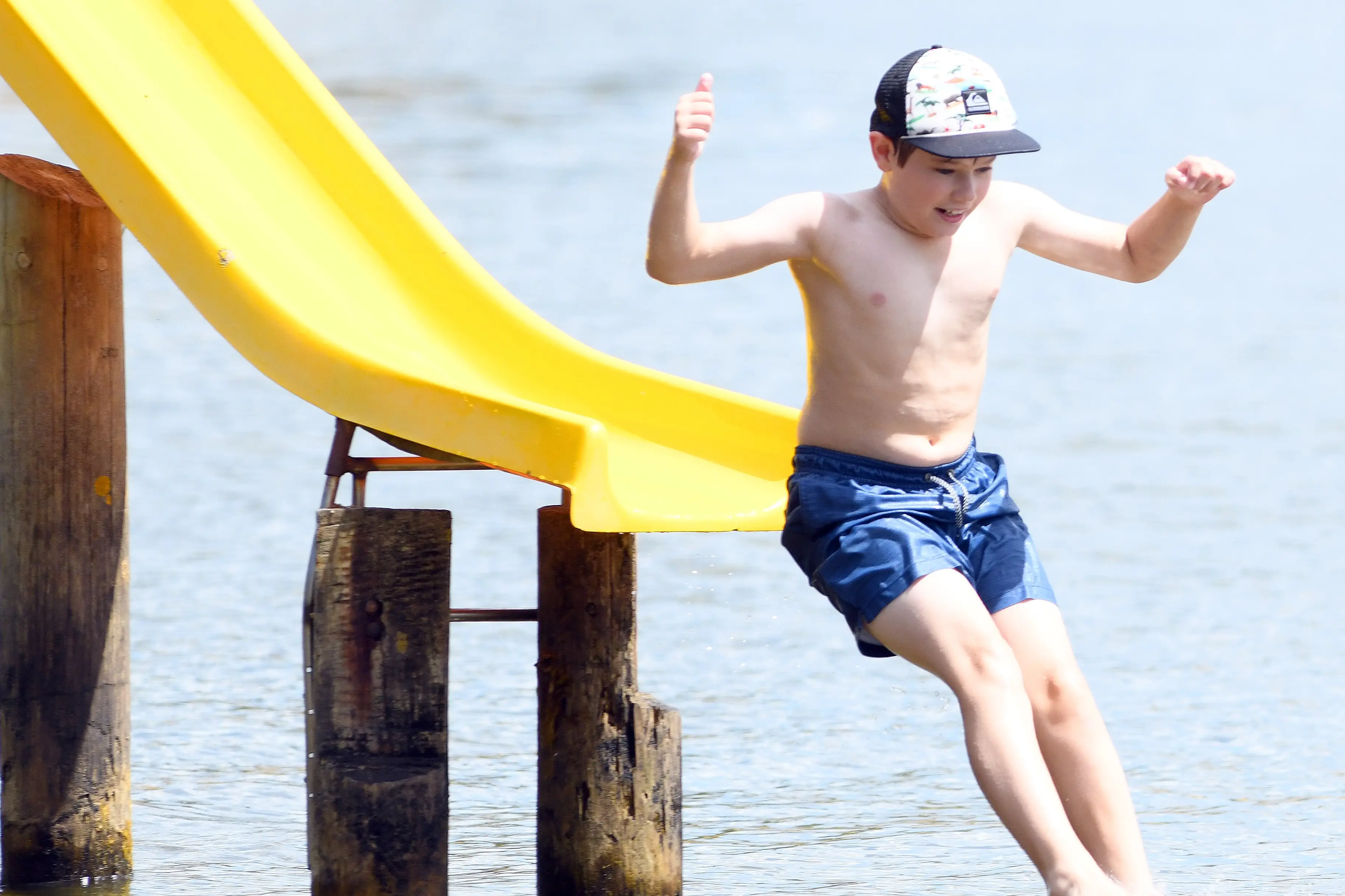
Lukas Woodrow (11) from Christhcurch slides into Lake Waihola in 34degC. Photo: Craig Baxter : Hotter than ever as heat peaks
Lukas Woodrow (11) from Christhcurch slides into Lake Waihola in 34degC. Photo: Craig Baxter : Hotter than ever as heat peaks
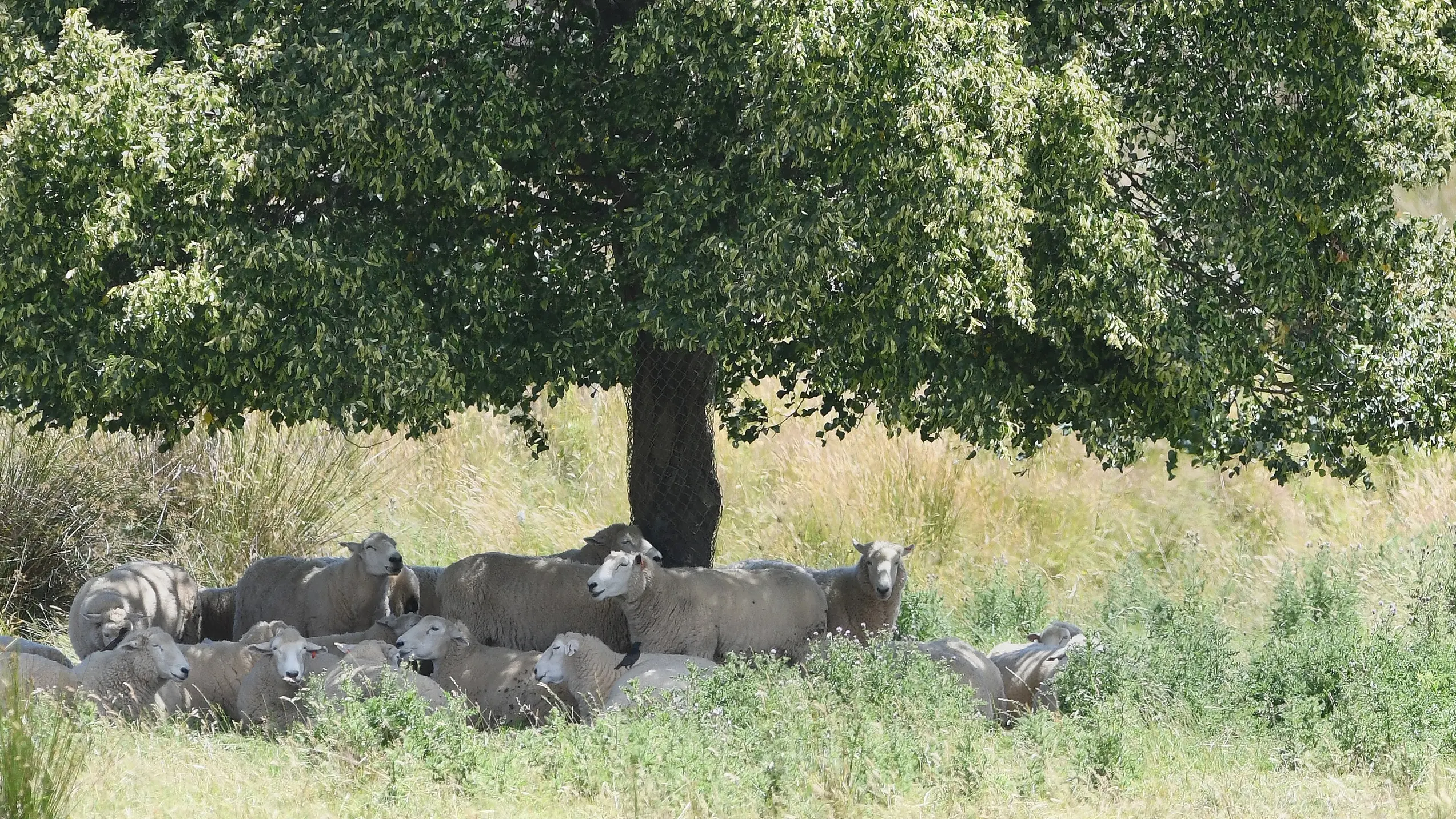
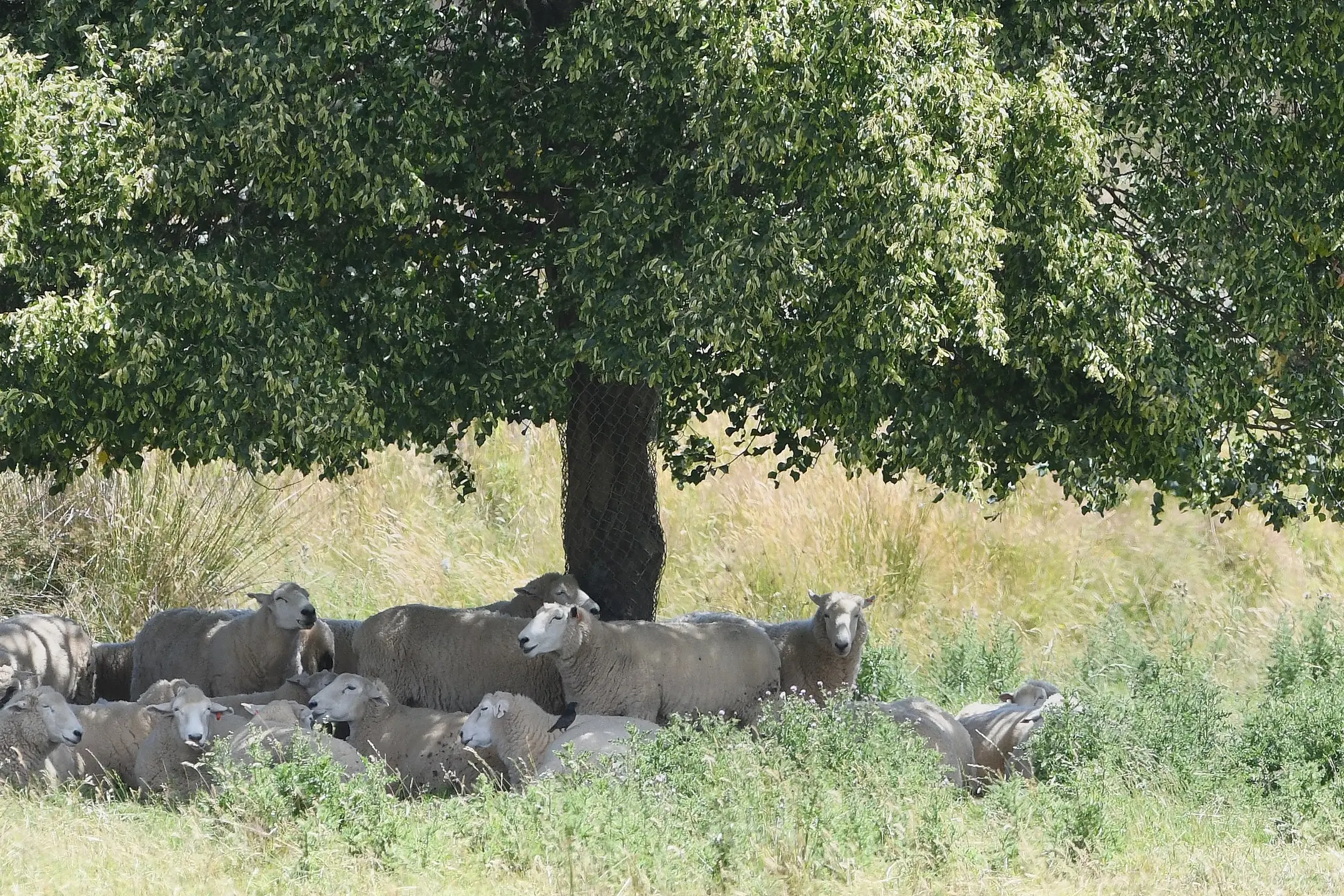
Sheep shelter under a lone tree in the 34degC heat of Lawrence. Photo: Craig Baxter : Hotter than ever as heat peaks
Sheep shelter under a lone tree in the 34degC heat of Lawrence. Photo: Craig Baxter : Hotter than ever as heat peaks

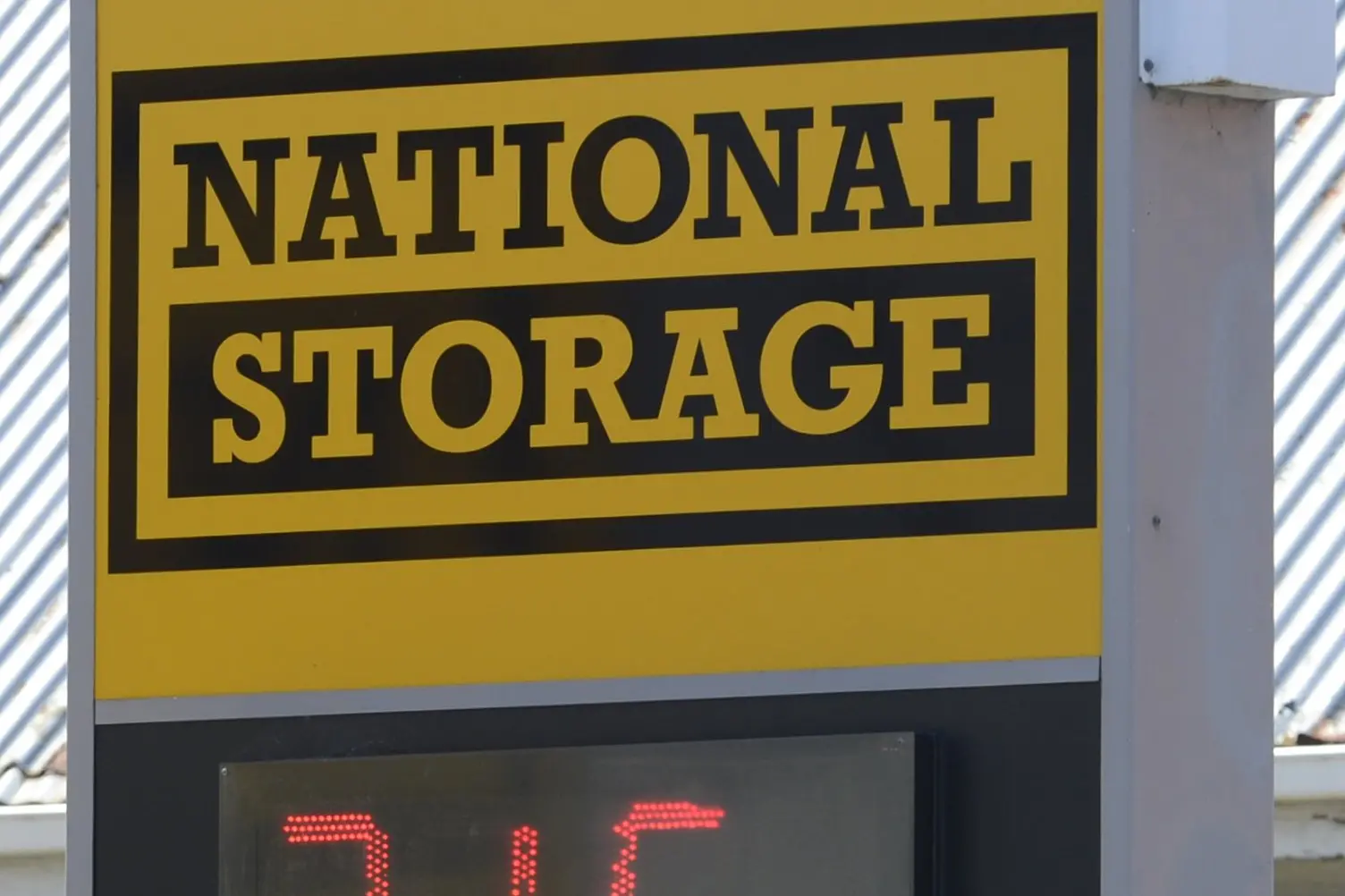
The Northeast Valley thermometer reads 31degC at 2.45pm yesterday. Photo: Gerard O'Brien : Hotter than ever as heat peaks
The Northeast Valley thermometer reads 31degC at 2.45pm yesterday. Photo: Gerard O'Brien : Hotter than ever as heat peaks
Hotter than ever as heat peaks
You know it's getting hot in Otago when your jandals stick to the tarseal. It was a problem in parts of Dunedin and Mosgiel yesterday as...