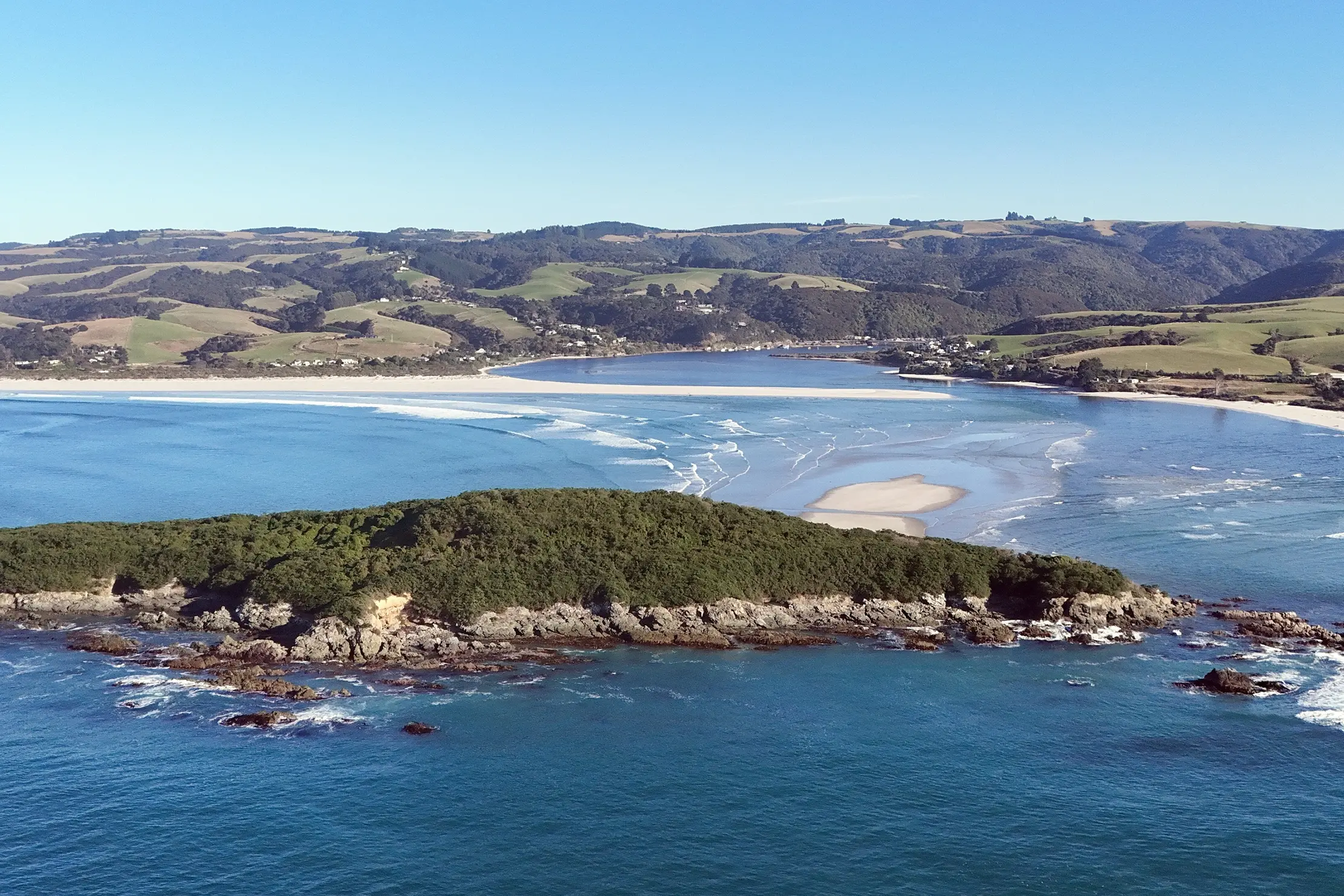
Commercial fishing boat owners say new marine reserves will lead to a plundering in other areas and create danger on the water. Five marine reserves came into operation on July 1, off the Otago coast. The reserves ban fishing and the taking of animals. A Fisheries New Zealand report in June about a proposal to reduce the pāua take in Otago-Southland pointed to concern by some stakeholders and tangata whenua about reductions in available fishing areas along the Otago coastline. This was through closures to pāua fishing such as in the East Otago taiapure and marine reserves which were displacing recreational fishing effort into fewer accessible locations and elevating the risk of localised depletion. The Department of Conservation said the five marine reserves covered 4.4% of the Otago coastal marine area out to the 12-nautical-mile territorial sea limit), leaving 95.6% of the coast still available for recreational fishing. Taieri Mouth commercial fisherman Glen Patterson said with the new marine reserves and other closed-off areas, the pressure was going to go on those areas left. He said south of Taieri Mouth some pāua fields had been seeded and there was plenty of pāua to be gathered. “A pāua guy who had pāua quota years ago seeded all that, … there’s pāua widthways legal in there. It’s huge. It’s a really good gathering spot,” he said. “So they’ve just closed all that down, so the guys that used to go and get pāua there are going to have to go to Taieri Island.” A lot more pressure would go on Taieri Island/Moturata, Mr Patterson said. “Green Island [Okaihe] was the perfect place for guys to come off the beach and go spearing, guys free diving and stuff. So they won’t be able to spear dive around there anymore, so next thing they’ll be down at Taieri Island spear diving around there. “So they’ve just put more pressure on the different areas. And Taieri Island’s in really good nick.” Walking access to the island was closed at the moment but it would open up in summer when the pressure would “really go on”, he said. Taieri Mouth was bound to get busy and people would have to navigate the tricky bar. “Guys that used to launch off the beach and go and catch fish out around Green Island … they’re going to have to come out through the Taieri Mouth, which is a tricky bar to come in and out of. “It’s quite dangerous. You’re going to put guys’ lives at risk when they’re going to try and come in and out of here to go fishing.” Karitane fisherman Allan Anderson said there were not many places left to fish — so those that were left would get “hammered”. “I can’t walk down the road like I used to get a pāua. I have to get in a boat and travel or I have to get in a car and travel. I’m travelling to an area where everyone else, like myself, is travelling there. Therefore there is more and more pressure on those areas,” he said. “I used to eat pāua all the time. I grew up eating it all the time. And now it’s not on my menu at all. Which disturbs me, to be honest, it really does.” He said Taieri Mouth would change greatly and feared it may get some form of protection, which would further curtail fishing options. With all the closures and other pressures, the season was getting shorter. “It’s like mowing the lawn. You go there, you take the top off it and then you go to the next place. Now we don’t have next places to go to so our seasons are shorter and shorter.” Mr Anderson was now looking to use his boat in other ways. He questioned when was going to be the time when people just start to question the amount of closed areas. Doc coastal Otago operations manager Gabe Davies said when the marine reserve proposals were developed, considerable efforts were made to choose areas that would not unduly impact existing users. He said the marine reserves were a result of a collaborative process involving Kāi Tahu, fishing, environmental, science, tourism and community interests to ensure wide involvement in the creation of bespoke marine protection for this coastal region. “There is still a lot of coastline and sea available for fishing activity, even when accessibility and other fishery area restrictions are taken into account.” Mr Davies said marine reserves could help protect important habitats, including spawning and nursery areas, contributing to the movement of adult fish and the export of larvae and juveniles into adjacent waters.