
PHOTO
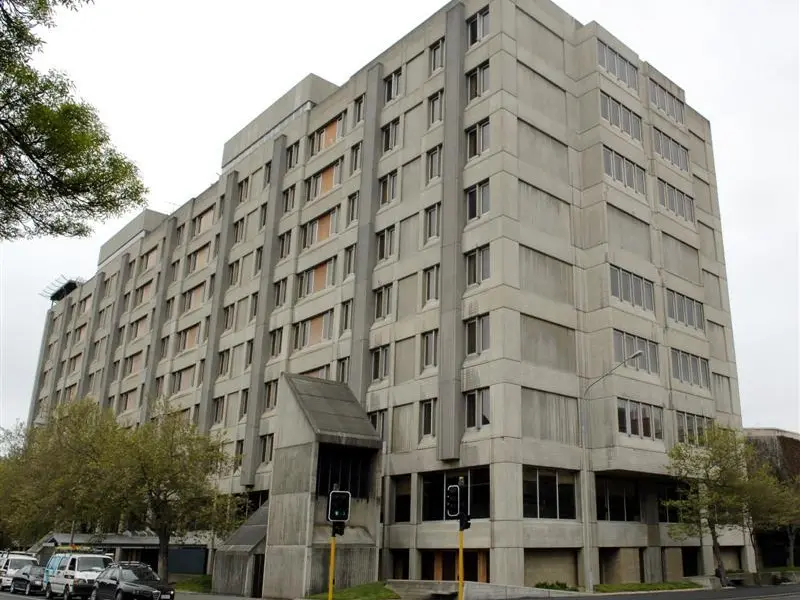
Dunedin Hospital will have no neurosurgeon all weekend, a situation which will recur over the next six to eight weeks.
The Otago Daily Times understands no neurosurgeon will be available at Dunedin Hospital over the long weekend, a situation confirmed by a Southern District Health Board spokeswoman.
Over the next six to eight weeks, one third of the weekend and after-hours roster, or an average of one weekend in three, will be provided by full-time Dunedin neurosurgeon Ahmad Taha, the spokeswoman said.
There will be periods over that time when after-hours on-call support will be provided from Christchurch.
Southern DHB chief executive Chris Fleming said in an emailed statement the neurosurgery service at Dunedin Hospital continued to support round-the-clock elective and acute care as part of the "one-service, two-site model with Canterbury DHB".
"Southern DHB's neurosurgeon continues to work in a full-time capacity five days a week, plus will be on call out of hours approximately one-third of the time, with Canterbury DHB covering the remainder of on-call hours."
Mr Fleming said active recruitment for neurosurgeons was ongoing and the DHB was recruiting locums to cover the gap in rosters in the meantime.
"We expect to appoint a locum in approximately the next 6-8 weeks, at which time more of the on-call roster will be able to be covered on the Dunedin site."
The ODT understands staff have been emailed to advise of the situation.
Mr Fleming said Dunedin Hospital had just one neurosurgeon, Mr Taha.
"... and his being on 24/7 call is neither reasonable nor sustainable.
"The two-site model means we are able to call upon our colleagues in Christchurch for back-up support.
"While we are in the process of appointing locums to fill the roster, we are needing to find ways to draw upon the Christchurch team to support us."
Since 2010, neurosurgery in the South Island has been organised as a single service spread across Dunedin and Christchurch.
"As has been reported periodically in recent years, Southern DHB has been challenged in recruiting and retaining enough neurosurgeons to sustain an appropriate roster.
"This is made even more difficult as a result of the lack of New Zealanders training in neurosurgery in New Zealand, and the very different clinical environment in New Zealand compared to other countries."
A massive public campaign, spearheaded by the ODT, in 2010 led to neurosurgery services, under threat of centralisation in Christchurch, being maintained in Dunedin.