
PHOTO
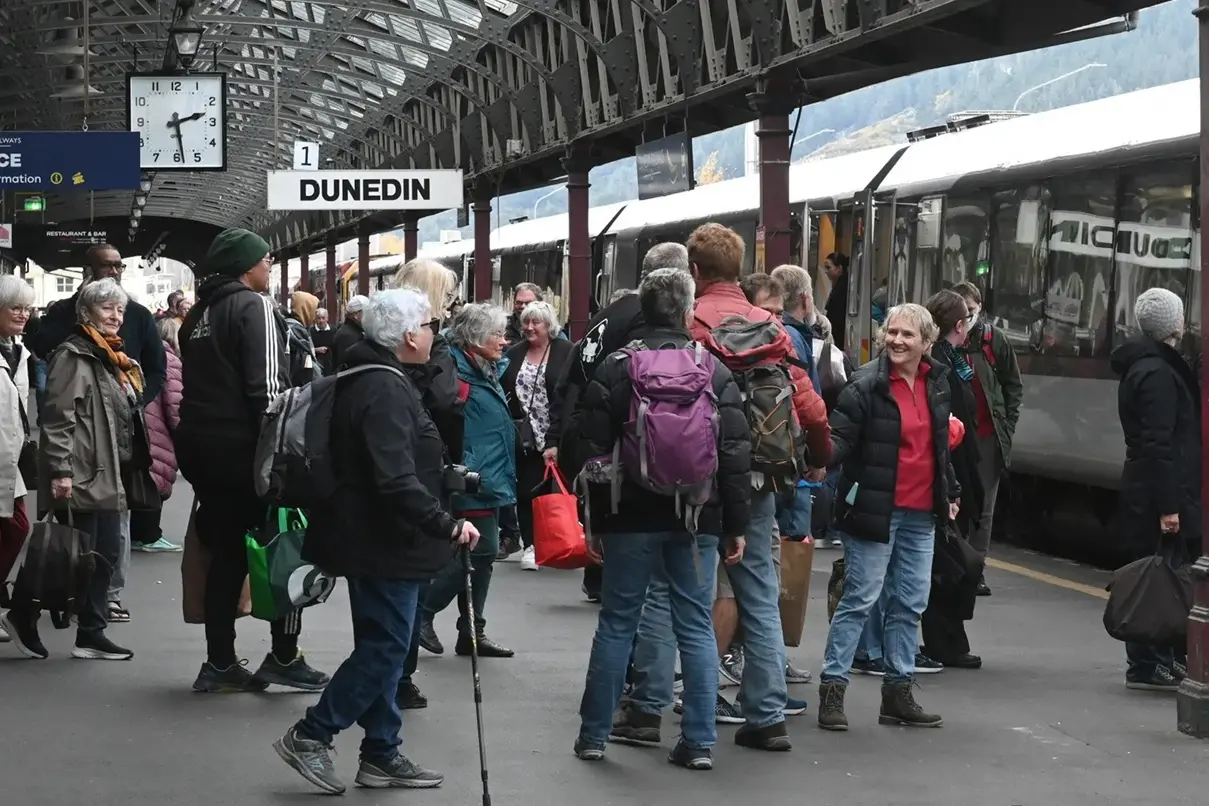
New Zealand First has pledged to bring back The Southerner as part of a plan to improve rail services in and around Canterbury.
In a statement on Sunday, leader Winston Peters said they were committing to a 12-month trial of commuter rail in the province - from Rolleston to Christchurch and from Rangiora to Christchurch.
“We will also commit to bringing back The Southerner train that connected Christchurch with Dunedin and Invercargill,” Peters said.
He said they would work with the current operators of the Mainlander train service on that route, to secure a commercially sound agreement that would get more trains running.
“We want to see the Mainlander become a more frequent service, reconnecting the cities and towns of the South Island.”
The Southerner ran daily between Invercargill and Christchurch for many years but dropped out of favour and had its last daily service in 2002.
Great Journeys New Zealand, the tourist arm of KiwiRail, has revived the journey for several “special services” over the past two years, and supporters have been calling for it to be fully reinstated.
The Green Party has also pledged to bring The Southerner back.
Peters said his party’s plans for Canterbury would give residents “a real alternative to sitting in traffic every morning and every evening”.
“Our ambition is to get passengers from Rolleston to central Christchurch in around 20 minutes by train, instead of spending up to 50 minutes on the road.
“And the trains will stop near Colombo St, bringing passengers back into the heart of Christchurch.”
He said a permanent commuter railway could not be built on “wishful thinking”.
" It needs passengers, it needs to make economic sense, and it needs to demonstrate that Cantabrians actually want it.
“If hundreds use these trains every day, that will build the business case for a permanent service, and hundreds a day becomes thousands. And more frequent trains then become hundreds of thousands.
“The railway lines are already here and the taxpayer owns them. For decades, they have been passing through the communities without carrying the people who live in them. We believe that should change.”
— Allied Media