
PHOTO
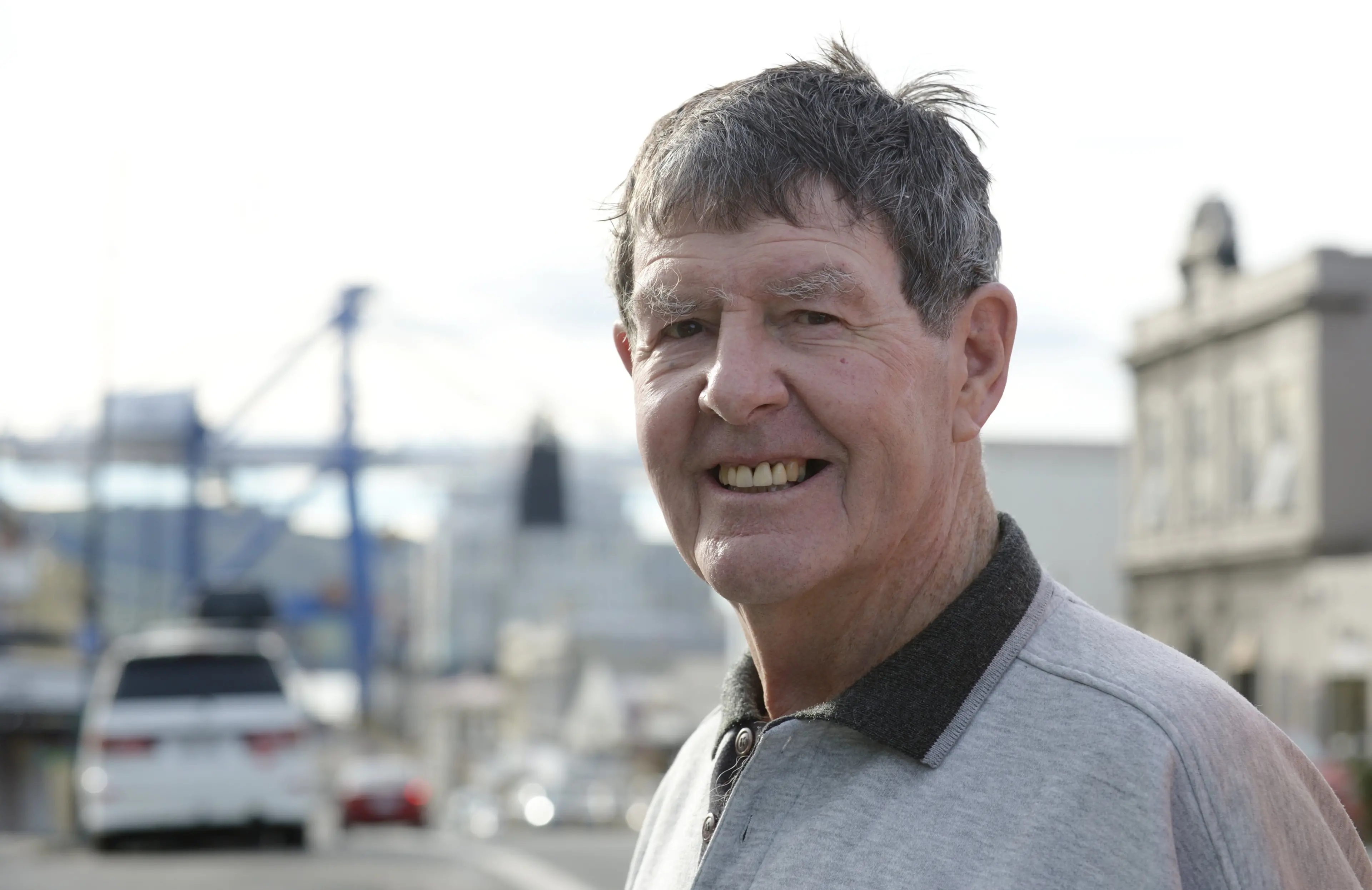
They called Bruce Malcolm many things during a life that spanned 90 years and countless hours of devoted service to his family, his community, his workmates and his favourite sporting codes.
There was "Pud", the moniker bestowed on him by family members accustomed to hearing him wonder aloud what might be for dessert.
He was a member of the "Bucket Brigade" that boisterously solicited donations at his beloved Port Chalmers then Harbour rugby club, and he was "yes, Mr Malcolm, sir" to nervous lawn bowlers hoping he would look favourably upon them during a long spell as a New Zealand selector in that sport.
A wag suggested he was also considered "God" by the greenhorns in the New Zealand Waterfront Workers Union, where he served as national president for 13 years, while he became such a familiar sight around his home town he was called the "unofficial mayor of Port Chalmers".
Perhaps, though, the most apposite label he received was during his 40 years as a watersider and his service — as delegate, secretary, treasurer and president — to the Port Chalmers branch of the union. He was fondly referred to as "The Mirror", as whenever an issue arose, you could guarantee he would respond: "I will look into it."
At Mr Malcolm’s funeral, son Kevin said his father encapsulated the Malcolm clan’s motto: "in ardua tendit", meaning "he has attempted difficult things".
"It conveys a sense of ambition and a willingness to tackle challenging endeavours. I think that sounds about right."
Watersiding and the politics that surrounded it dominated his working life but it was arguably his service to sport for which Mr Malcolm will be most remembered.
Tributes to him from the bowls, rowing and rugby sectors upon his death highlighted his impact on Otago sport.
Mr Malcolm, who died in Dunedin on November 7, aged 90, was regarded as one of the most astute selectors in the history of New Zealand bowls.
He was a selector for the national men’s team for 11 years from 1998, picking teams for World Bowls tournaments in Johannesburg (2000), Ayr (2004) and Christchurch (2008).
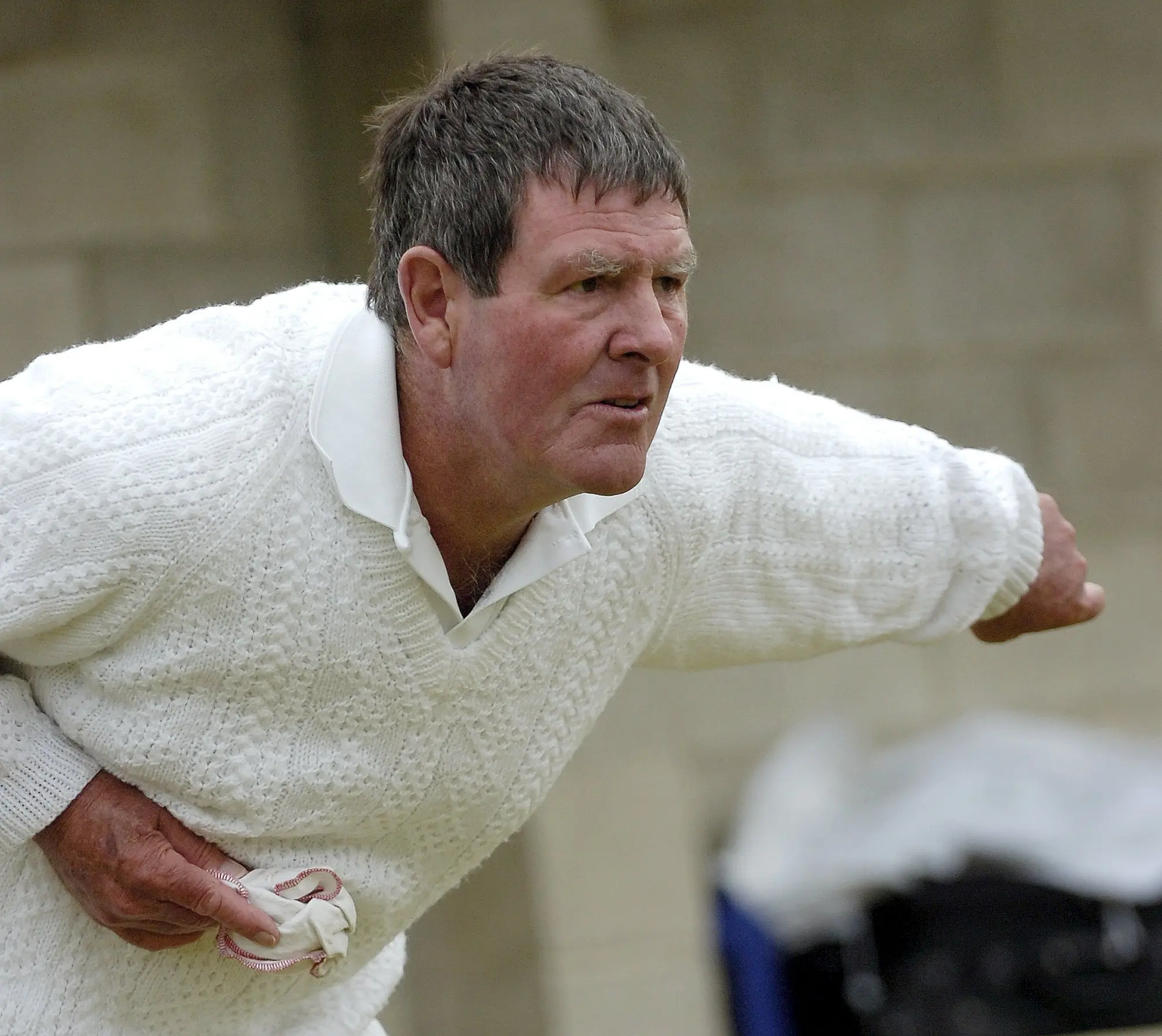
His teams won 10 world championship medals — three gold, one silver and six bronze — as well as Commonwealth Games bronze and 11 medals at five Asia-Pacific championships.
Good selectors identify, empower and inspire their athletes and Mr Malcolm’s astute eye for bowling combinations was highlighted when he went against the grain and pushed for the "bad boy of bowls", Gary Lawson, and Russell Meyer to form the New Zealand pair at World Bowls on home turf. When they claimed gold, they rushed to honour their mentor.
When Lawson’s four also won gold, the selector was an emotional man.
"I was proud to have selected a team to win two gold medals," he told the Otago Daily Times.
"I had tears in my eyes when they won the fours."
Mr Malcolm told the late Alistair McMurran, the ODT’s long-serving bowls writer, he liked to leave no stone unturned when he selected a team.
"I looked at the attitude of the bowlers, on and off the green. I looked for visible signs like body language that could upset players when they were in a New Zealand team.
"I liked players who were consistent, adaptable and who were compatible with the rest of the team."
Mr Malcolm had been an outstanding player himself who won 92 titles in his 55 years at the Port Chalmers club.
He won 12 Bowls Dunedin titles and won the New Zealand pairs title with Gordon Duggie in 1990, represented the Dunedin Centre over 26 years, was a founding member of Kittyhawk bowls in 1996, and was usually joined at the green by wife Margaret, who claimed 11 centre titles, finished runner-up in the New Zealand fours and had a stint as president of Bowls New Zealand.
His early sporting endeavours had been on the water as a rower of extreme promise.
He was a member of the Queens Drive Rowing Club from 1950 to 1959, winning a national youth fours title in 1952, a maiden fours title in 1954, and a provincial eights title in 1957.
Rowing delivered something that was simultaneously one of the great moments of Mr Malcolm’s life and one of the most frustrating.
His rowing skills were recognised by the New Zealand selectors when he was selected for the Melbourne Olympics in 1956 as a member of the eight, but New Zealand Olympic Committee selectors rejected the nomination and sent only three smaller crews to the Games.
"Rowing officials protested and the crew carried on training for another couple of weeks," Mr Malcolm told the ODT in 2017.
"It was a big disappointment. It was bloody terrible. I never got over that."
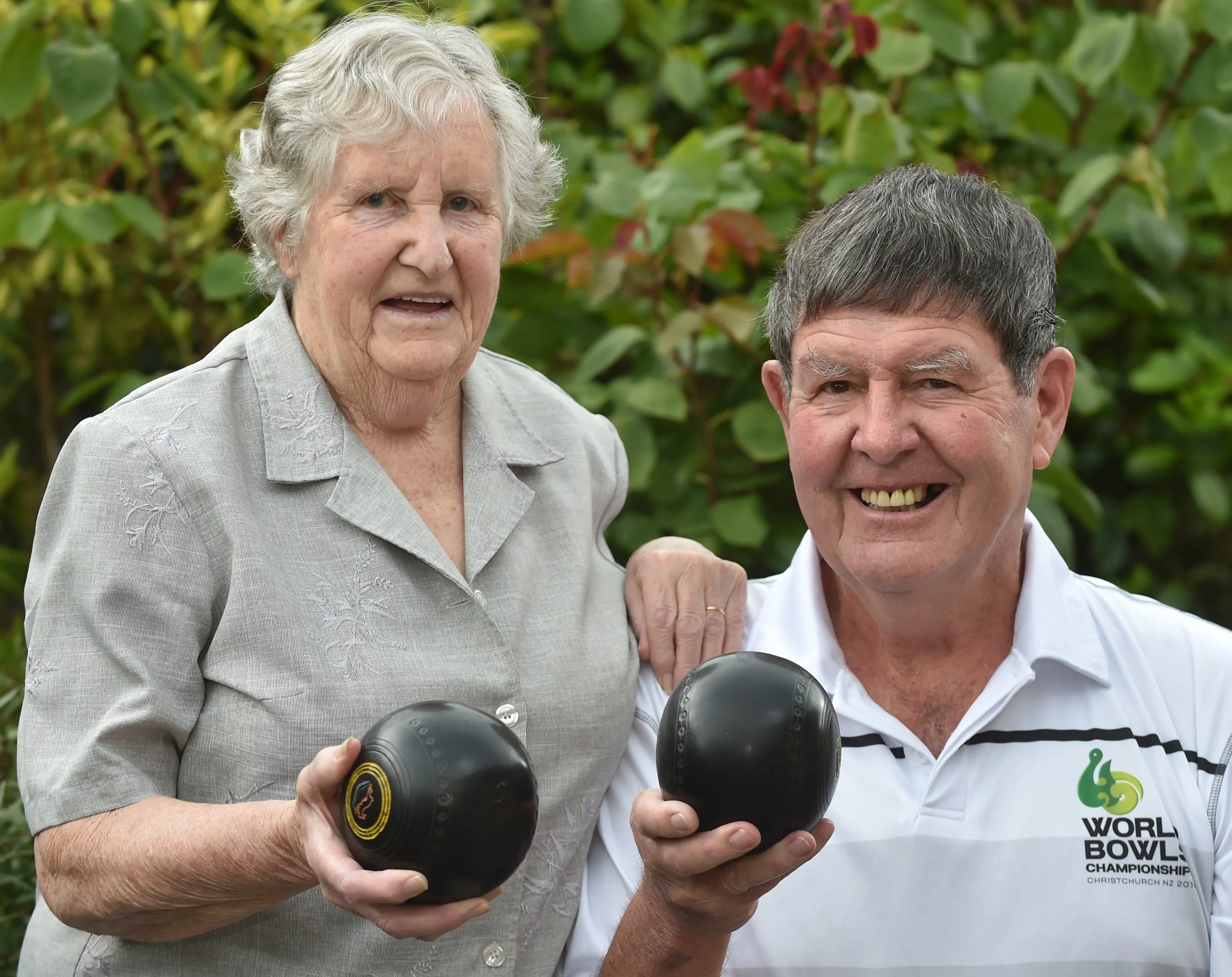
There was some consolation years later when the Port United Rowing Club — formed by a merger of Queens Drive and Port Chalmers — named a lightweight single scull after one of its favourite sons, and he described himself as "very privileged, proud and delighted" to have that honour.
He coached at Port United for a decade, guided Otago crews alongside the great Fred Strachan and was chief umpire when the New Zealand championships were held at Lake Waihola in 1973.
Bruce Anthony Malcolm was born in Port Chalmers on April 14, 1935.
His parents were watersider Jack and Ivy, and he was the younger brother of John and Ivan.
The youngster attended Port Chalmers Primary School and made his first ODT headline at the age of 11 — "Local lad crashes bike and taken home with concussion" — when a jaunt on brother John’s bike went a little astray.
After finishing schooling at King Edward Technical College, Mr Malcolm took an engineering apprenticeship at Hillside Workshops.
He met a woman with similar sporting interests, and he and Margaret Scoles were married on June 12, 1956, beginning a great partnership that would last 69 years and end with the couple both in residence at Montecillo Veterans Home.
Daughter Sandra was the first to arrive, and she was joined over the next decade by Kevin, Rhonda, Brent and Brenda, the Malcolms setting up a family home in Meridian St that would be the site of many happy times over 45 years.
Mr Malcolm started work on the waterfront in 1957 and only retired for medical reasons 40 years later.
He was wholly dedicated, as his union service illustrates, to ensuring conditions for his fellow watersiders improved while still maintaining the viability of the port.
He was elected to the local union executive in 1964, and rose to president of the Port Chalmers branch in 1969. He would remain in that role until 1979, after which he took on the fulltime job of union secretary-treasurer and delegate, a position he held until retirement.
Mr Malcolm was an executive member of the national watersiders’ union from 1978 to 1982 and served as president from 1982 to 1995.
"Bruce was highly regarded as national president," former Maritime Union national president and Port Chalmers secretary Phil Adams said.
"He provided strong, intelligent leadership in his position. His door was always open to members, not just for work issues. Bruce also had a great ability to help sort out problems outside the wharf area, particularly when dealing with lawyers, insurance companies and medical issues for our members."
Reform came to the port during Mr Malcolm’s tenure and it was a challenging time as workers lost their jobs and relationships in a small town were strained.
"Bruce was the person the members came to for answers. I can categorically say we were very lucky to have him as our secretary at that time. I very much doubt anyone could have handled the situation the way he did."
While bowls and rowing were the two sports that gained him most recognition, Mr Malcolm was also a passionate rugby man who was a member of the Port Chalmers then Harbour club for 76 years.
He played five years at the top level for the Port Chalmers club, spent 10 years on the national junior advisory board, served on the management committee of the Otago Rugby Football Union from 1974 to 1989, filled the role of ORFU president in 1988, and was a founding and life member of the Rugby Union Foundation of New Zealand, the trust formed in 1987 to support injured rugby players.
He also dabbled in hoops, playing basketball for Port Chalmers from 1957 to 1962 and later served as both selector and coach for the Otago women’s team.
Somehow, Mr Malcolm still found time outside family, work and sport to contribute a mountain of service to the community.
He completed three terms as a Port Chalmers borough councillor, from 1968 to 1977, spent six years on the Port Chalmers Primary School committee, was a foundation trustee on the Otago Community Trust, had a stint as president of the Port Chalmers branch of the Labour Party, devoted countless hours to the Otago Cancer Society Scanner Appeal committee to raise money for a body scanner and mammography machine for Dunedin Hospital in the early 1980s, spent 49 years as a Justice of the peace and donated 101 pints of blood.
His immense contribution to his community was recognised with an MBE in 1994.
He always reminded his family that when things got tough, “it’s not what’s in front of you but what’s beside you that counts".
Mr Malcolm is survived by his wife Margaret, their five children, 11 grandchildren, 23 great-grandchildren and three great-great-grandchildren. — Hayden Meikle