
PHOTO
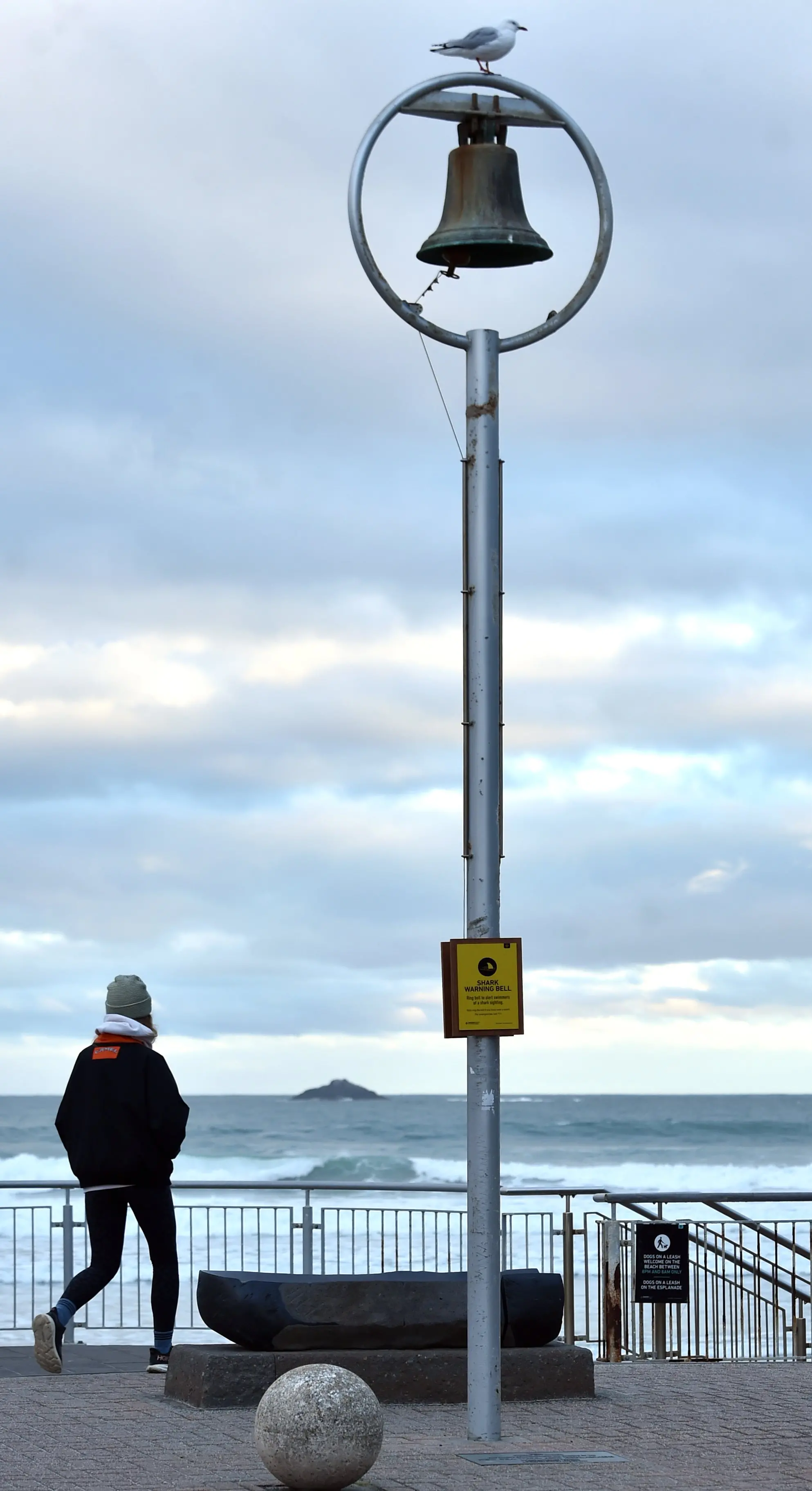
A spike in shark sightings has caused St Clair Beach to be cleared four times in the past fortnight.
However, Surfing NZ (SNZ) chairman Jimi Higgins is worried some beachgoers are not responding to the warning from the shark bell with enough urgency.
There had been delayed evacuation following the most recent sighting, which was ‘‘concerning’’ to SNZ.
‘‘Some of the tourists or students or people who don’t necessarily know the risks are just choosing to ignore the shark bell,’’ Mr Higgins said.
‘‘When the shark alarm is activated, it is important that all water users exit the water promptly and calmly.’’
Swimming and surfing did not pose a significant risk, but sharks’ behaviour could never be predicted, Mr Higgins said.
The shark bell, which had been rung four times in the last two weeks, was a practical and reliable warning system for St Clair conditions, he said.
It was installed in the 1960s because of shark attacks in the area, believed to have been the work of one rogue shark.
In the 1960s and early 1970s there were five attacks — three fatal — off the Dunedin coast.
The most recent sighting was likely a broadnose sevengill shark, which were commonly found in southern coastal waters year round and could display ‘‘investigative behaviour’’ around surfboards or people.
Seasonal movements of other shark species might increase during cooler months and at times when daylight patterns change.
‘‘While shark encounters remain rare, surfers and swimmers should understand that they are entering a shared marine habitat where wildlife interactions are possible,’’ Mr Higgins said.

But despite the recent sightings, surfers were still catching waves, Mr Higgins said.
‘‘There’s been no signs of aggression from these shark encounters. However, I think it’s always right to exercise caution.’’
Ocean users were encouraged to avoid entering the water during dawn and dusk, avoid surfing or swimming in murky water, stay clear of bait fish activity, diving seabirds, or visible feeding events and surf with others, if possible.
Shark nets were not considered an appropriate solution, because of their environmental impact — including risks to dolphins, seals and other marine wildlife.
‘‘If a shark is encountered in the water, individuals are advised to remain calm, avoid excessive splashing, maintain visual awareness of the animal where possible, and exit the water in a controlled and efficient manner,’’ Mr Higgins said.
University of Otago marine science teaching fellow Rob Lewis said it was not unusual for sharks to be at St Clair at this time of year and they were ‘‘incredibly important to the health of the ecosystem’’.
‘‘It’s certainly interesting that there has been lots of sightings back-to-back, but I wouldn’t call it unusual,’’ he said.
‘‘St Clair has always been an area that sharks have used, and it can be for a number of reasons. Seeking prey, travelling past, potentially even a rest area with all the water movement there.’’