
PHOTO
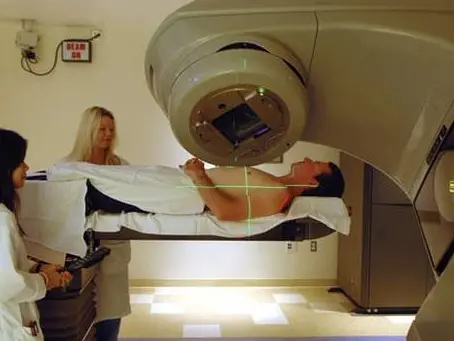
The Southern District Health Board will receive help to get Dunedin Hospital's misfiring linear accelerator machine working properly as part of a cancer funding announcement made by the Government yesterday.
The first of two new machines was commissioned in February, but issues with inconsistent power supply meant the accuracy of the cancer radiation treatment provided by it was affected.
While the machine is still being used, the problems with it have been one factor behind cancer treatment waiting lists in the Southern region being ahead of normal.
Prime Minister Jacinda Ardern and Health Minister David Clark yesterday announced that nationwide 12 new linear accelerators would be bought over the next three years to replace ageing machines in some hospitals, and to offer a new service in some hospitals which did not provide treatment.
The funding included support for the SDHB to get its machine up and running faster, the ministers said.
Ministry of Health cancer services manager Dawn Wilson said officials would work with the SDHB on the support required to get their technology fully commissioned.
"These machines are sophisticated pieces of equipment which require expert support," she said.
"Ministry officials will work with Southern to support the procurement process to ensure these LINAC are running to full capacity as soon as is possible."
The Southern District Health Board said earlier this year that its linear accelerators were projected to be replaced in 2023, 2028 and 2029.
Ms Ardern and Dr Clark said yesterday's announcement would result in new machines installed this year at Auckland, Canterbury, Capital and Coast and MidCentral DHBs (2 machines).
A replacement machine might be installed in Hawkes Bay in 2020-21, and in Taranaki the following year, and a new machine is also being considered for Northland.
"Radiation is an effective form of cancer treatment, and one in two people with cancer would benefit from its use," Ms Ardern said.
"But in New Zealand only one in three are currently accessing these services, which is why we are making the single largest Government capital investment in it."
National Party leader Simon Bridges, who last weekend announced his party would fund a multimillion-dollar cancer plan if it won the 2020 election, said yesterday's announcement was rushed and "simply business as usual".
"While it's good that some patients won't have to travel for treatment, there is no additional funding for more oncologists and radiographers who will be required to carry out the treatment," Mr Bridges said.
"There is still no target for treatment timeliness and no certainty that treatments will be better or faster."
Patient Voice Aotearoa chairman Malcolm Mulholland said the announcement was not what his organisation had hoped for: the Government's pledged cancer action plan.
"We've been waiting and waiting and with all due respect to the Minister, if there's one thing cancer sufferers and their families don't have, it's time."