
PHOTO
Blazing a trail with original tracks helped shape the Dunedin Sound.
Former members of the band Lutha will gather next week to discuss their early music career and a 1972 Joe Cocker tribute show that captivated the city.
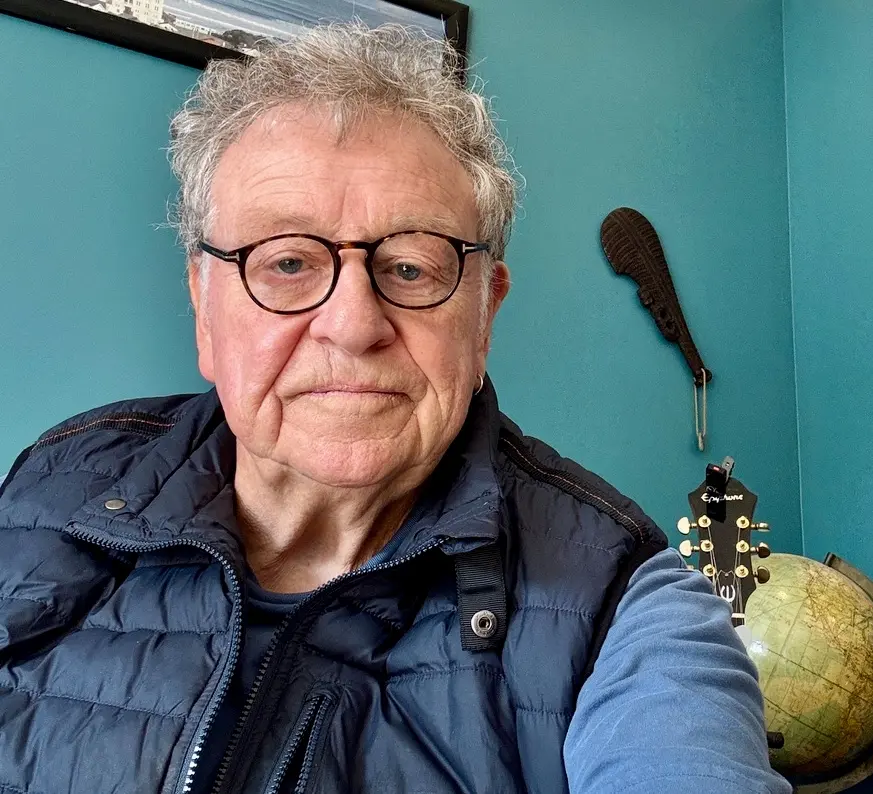
Songwriter and singer Garry McAlpine said Lutha broke away from covers to play original material.
“I had to leave a band who were my really good friends,” Mr McAlpine said.
“They wouldn’t do any original material.”
He had been writing songs with his friend Gordon Spittle and wanted to be able to perform them.
He joined Lutha, which was willing to perform their own compositions.
Mr McAlpine brought a tape machine to practice sessions and recorded four original songs.
The 20-year-old student dropped the reel-to-reel tape at the EMI studio in Wellington and asked the receptionist to pass it to producer Peter Dawkins.
“What happened, and this is the gospel truth, one week later when I’m back in Dunedin, Peter Dawkins rings up and says, ‘I want to come down and hear the band’,” he said.
After flying down and listening to the group play their own songs, Mr Dawkins decided to record an album.
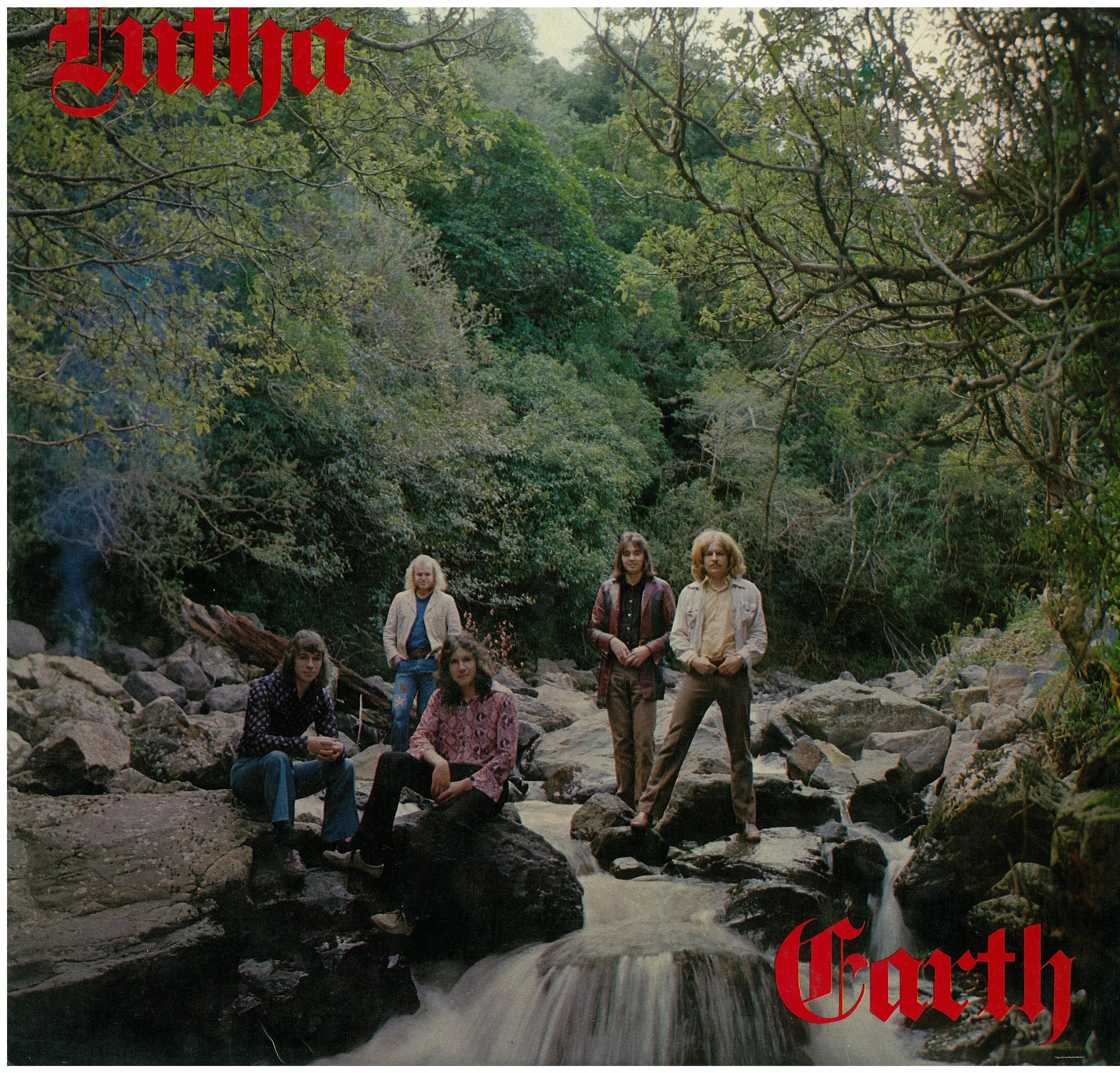
The self-titled debut album had 1000 pressings.
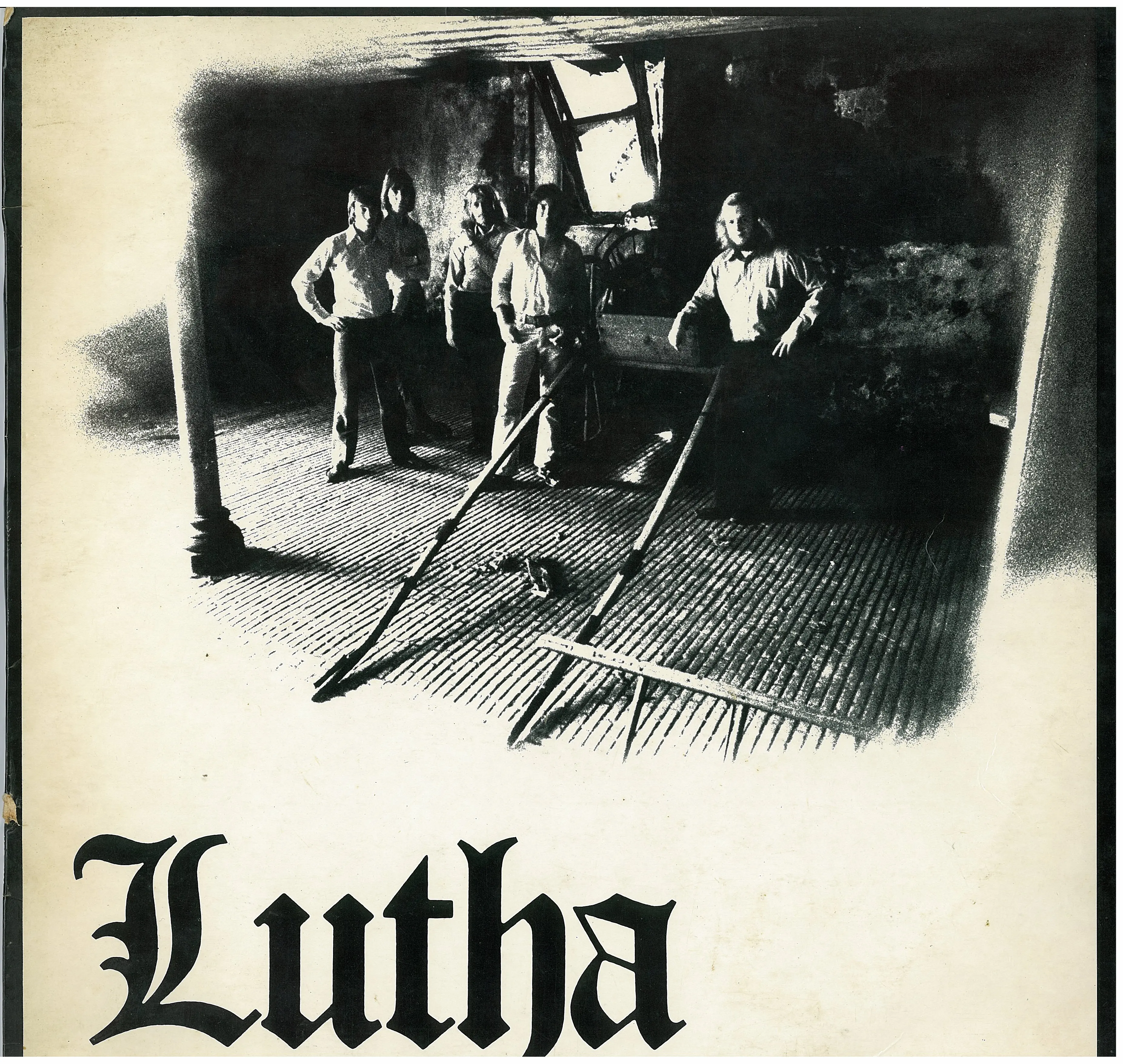
A second album, Earth, followed which also had 1000 copies made.
These vinyls now command hundreds of dollars from international collectors.
The band proved highly lucrative for the young students.
“My wife was working in the bank as a teller and she was getting something like $45 a week,” Mr McAlpine said.
“We were earning $100 a week in Lutha.”
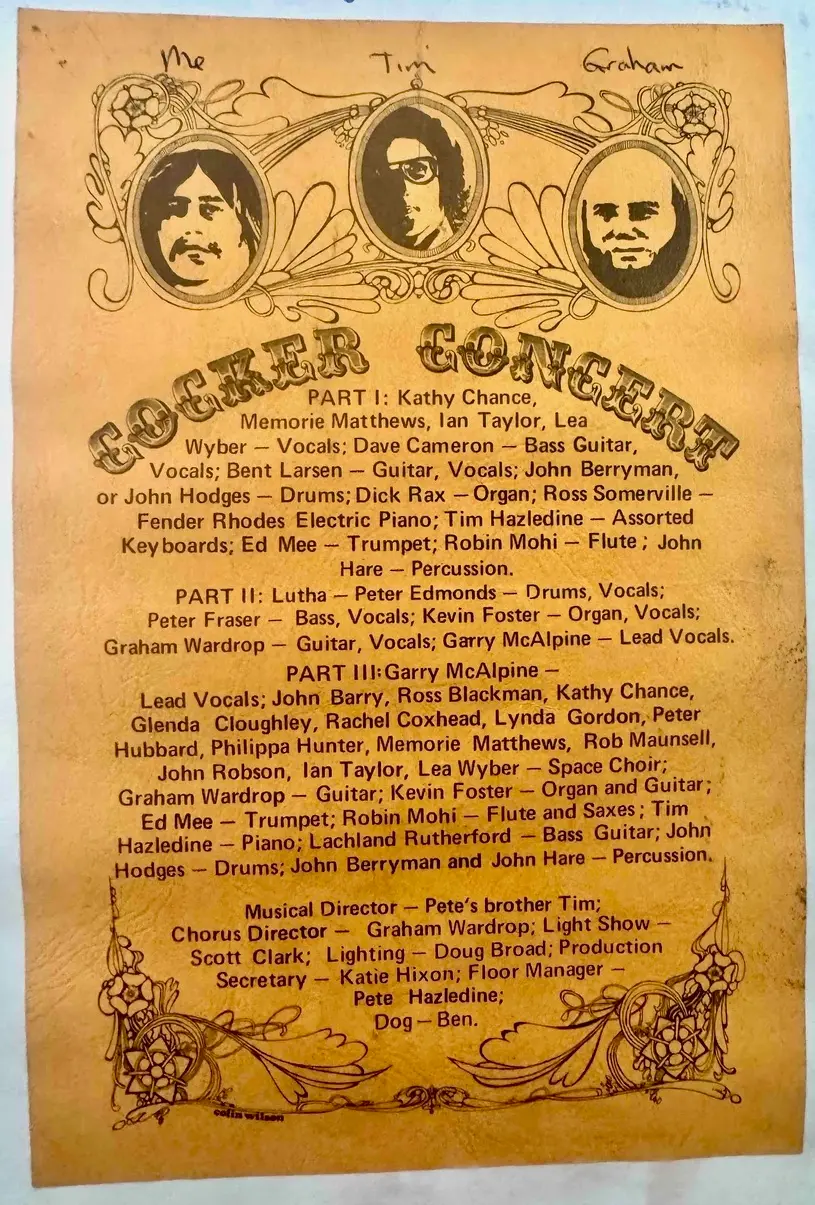
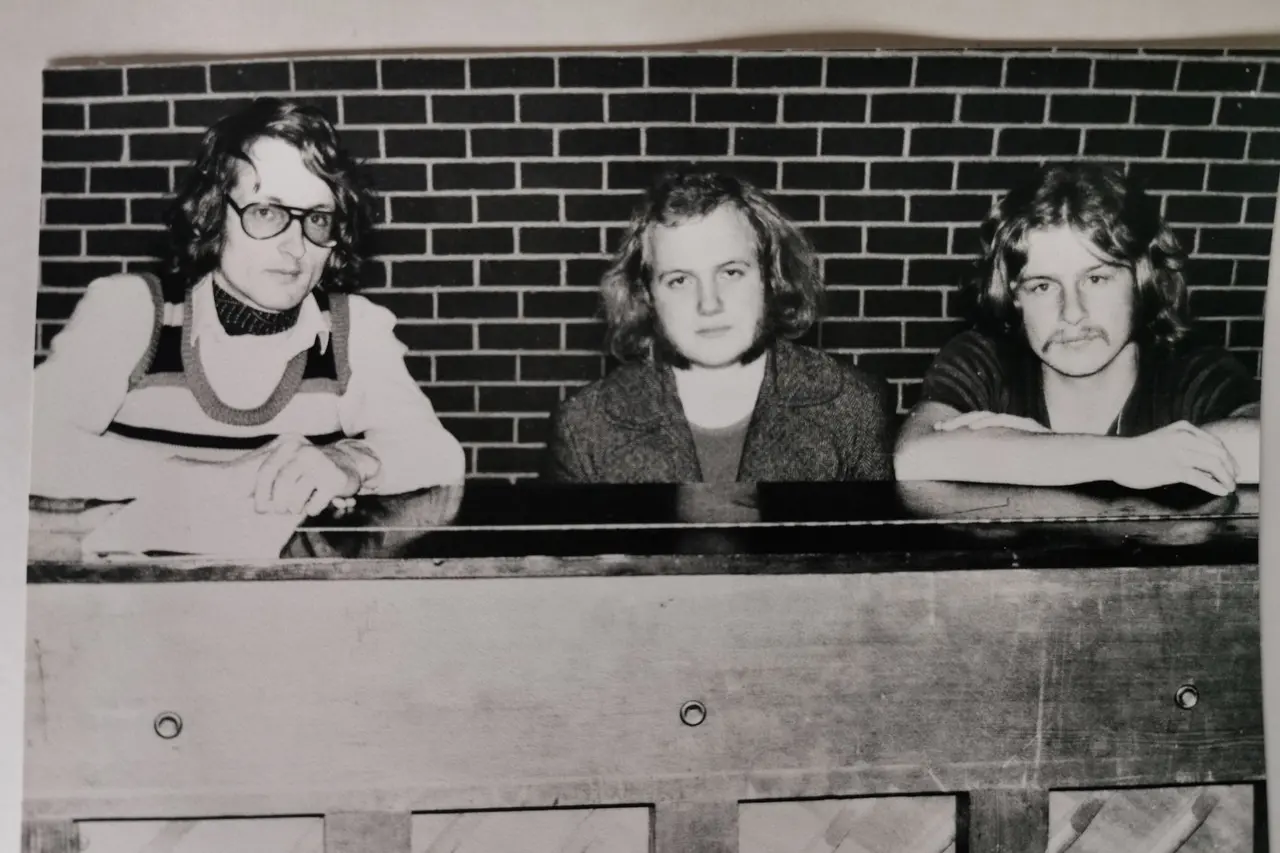
Between recording and touring the two releases, the band collaborated with pianist Tim Hazledine to stage a tribute to Joe Cocker and his Mad Dogs and Englishmen album.
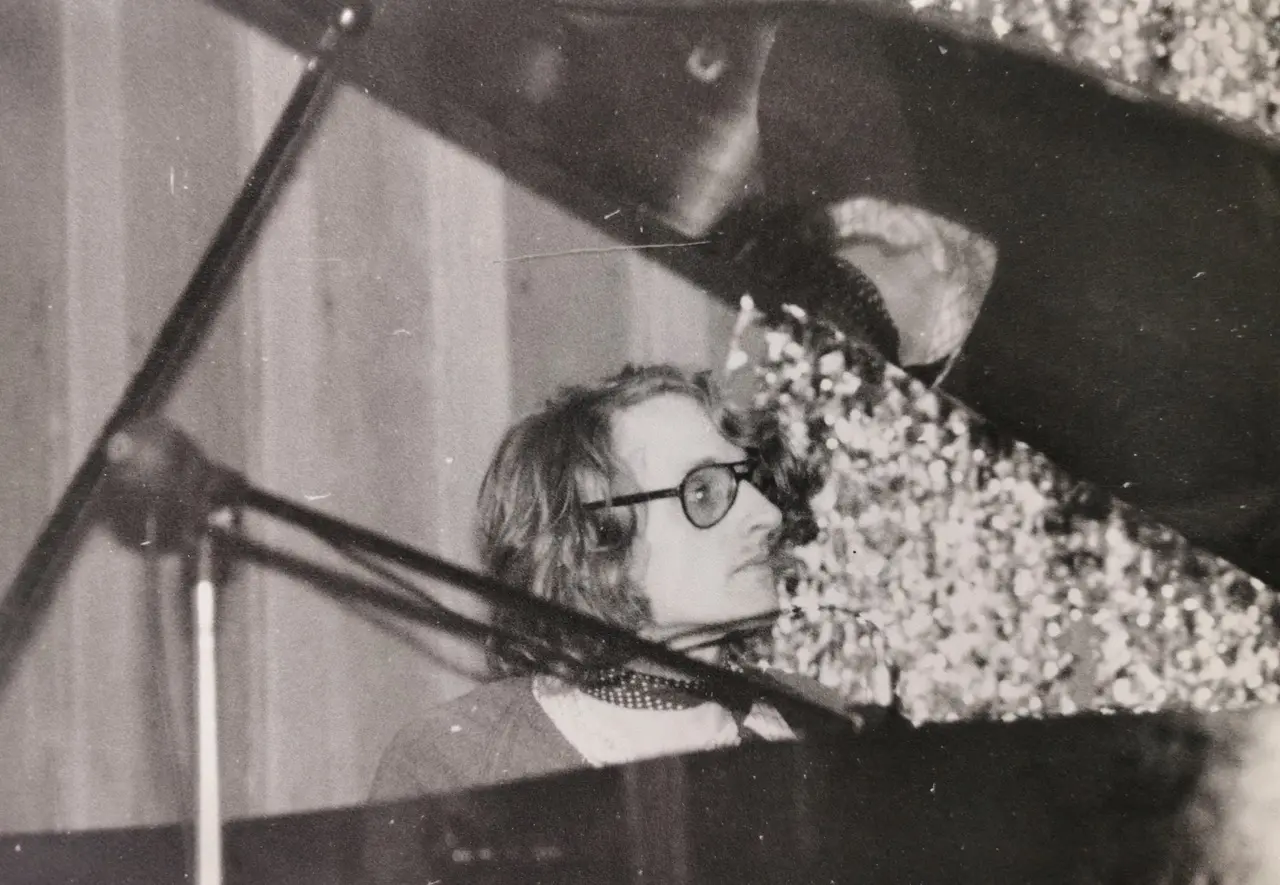
Mr Hazledine assembled top musicians and guitarist Graham Wardrop organised a ‘‘space choir’’ of about 20 people that included future television broadcaster Sir Ian Taylor.
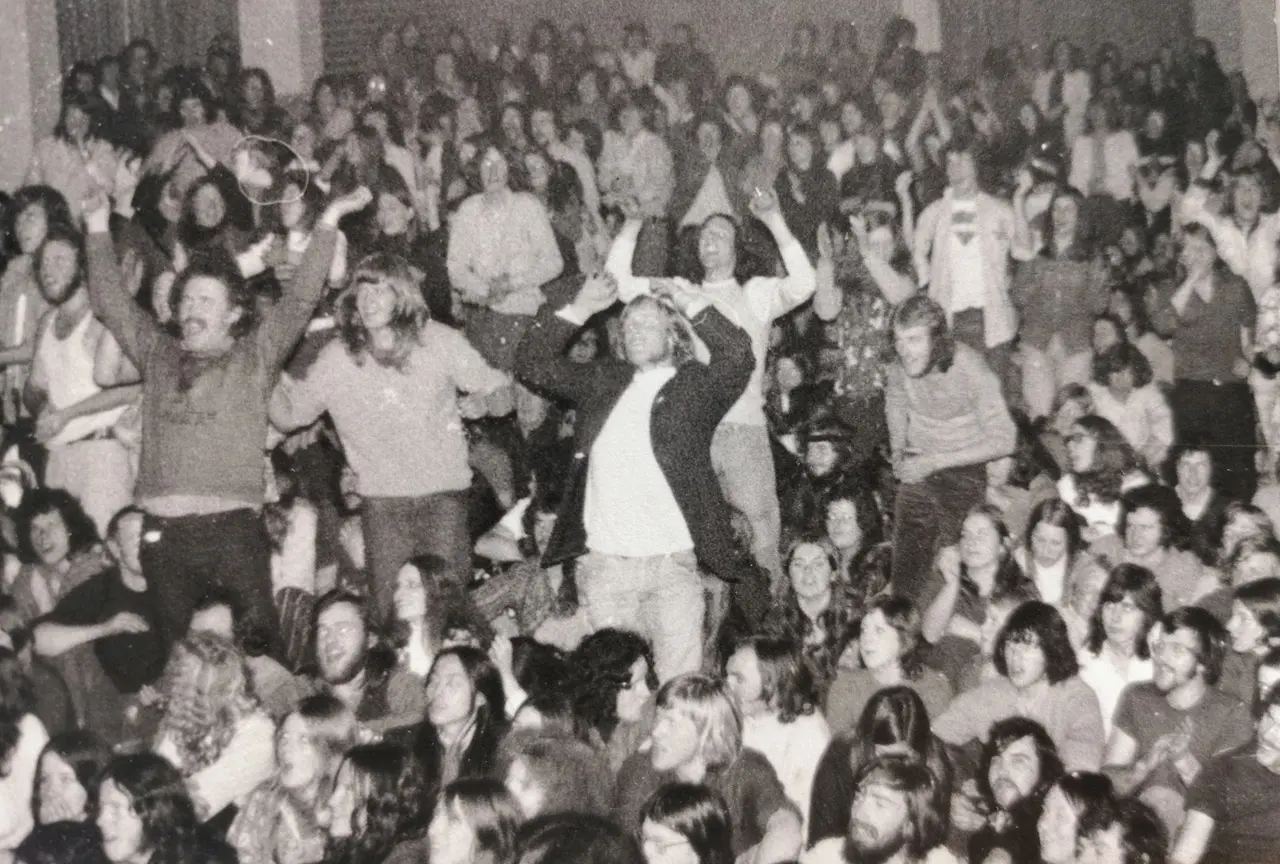
Two shows packed out the university union hall and there was a further concert at the Dunedin Town Hall.
“Half the students in Dunedin saw the concert because the word spread,” Mr McAlpine said.
The musicians generated enough revenue to charter a Viscount aircraft from the National Airways Corporation to fly the group to the Auckland Arts Festival.
Despite the wild lifestyle of the era, the band members remained focused on their university studies and later careers.
“Anyone who played in the band, and there was all this recreational drugs, and all that sort of stuff, but no-one ended up living under a bridge, no-one ended up a drug addict,” Mr McAlpine said.
“The trumpet player, Eddie Mee, became the head of neurosurgery for 20 years in Auckland Hospital.”
Saxophone player Robin Mohi became a teacher on the East Coast and bass player Lachlan Rutherford became president of Warner Music Asia Pacific.
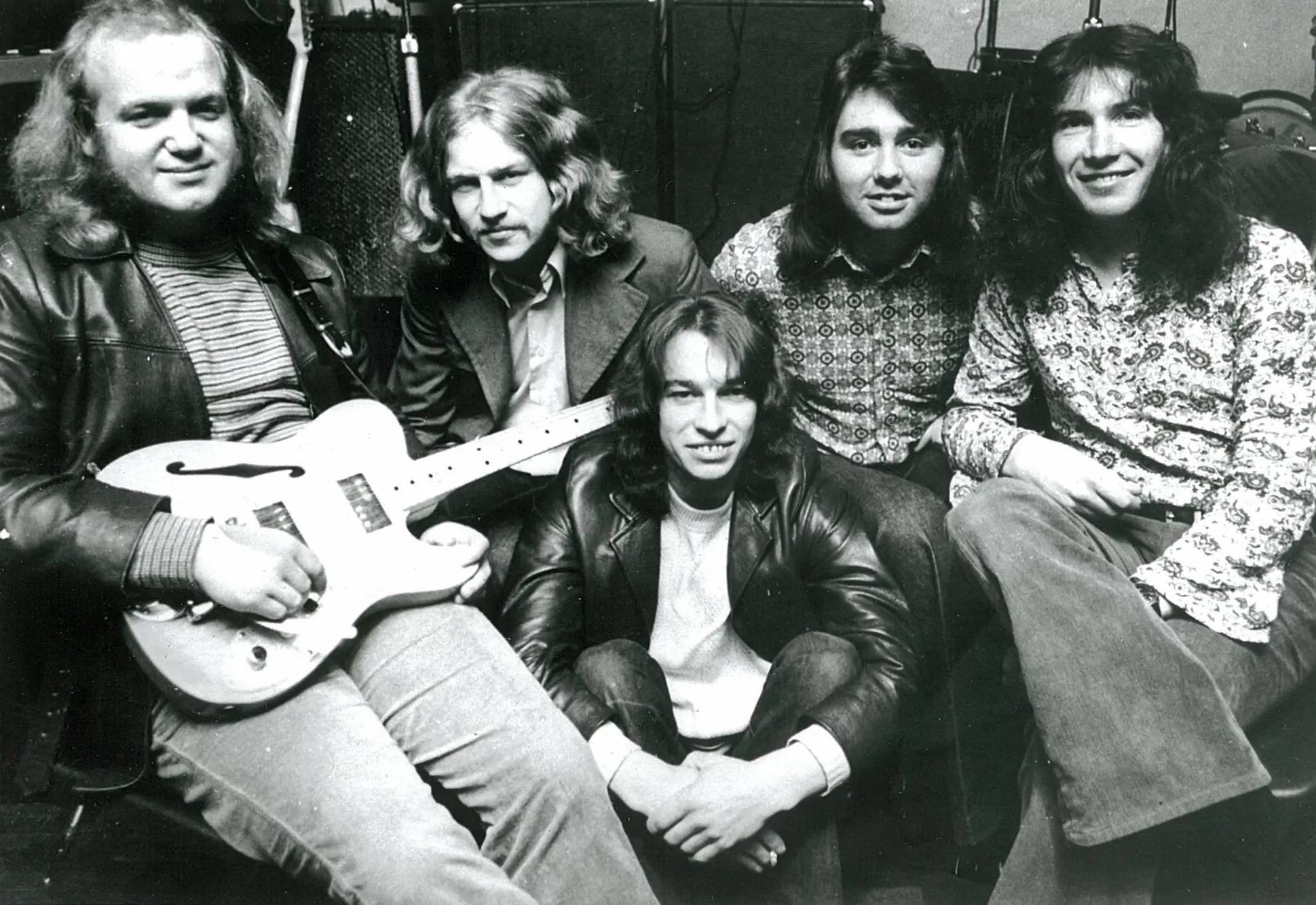
Lutha’s pioneering decision to play original songs left a lasting impact on young audience members who would later define the city’s musical identity.
Mr McAlpine recalled being introduced to The Chills frontman Martin Phillipps in the early 1990s.
“He said, ‘I was at school in Dunedin … there was a band called Lutha that played at a town hall’,” Mr McAlpine said.
“And he goes ‘they are playing all their own material and EMI have just released this album of original material. I’m not going to learn covers’.”
Radio Otago broadcast the Joe Cocker tribute live, and the upcoming event will feature excerpts of a cassette recording of the show that Mr McAlpine’s father made at the time.
During the talk and performance on Wednesday, September 30, Mr McAlpine, Mr Hazledine, guitarist Graham Wardrop and drummer John Hodge will play three songs in an unplugged format.
The setlist includes a reggae version of Lutha’s single Stop! The Music Is Over.
“These musicians … they are very, very, very good,” Mr McAlpine said.
The Cocker Concert and Lutha
Wednesday, September 30, 11am-12.30pm
Toitū Otago Settlers Museum
OAR FM's Jeff Harford speaks to Garry McAlpine, Graham Wardrop and Tim Hazledine to revisit a legendary 1972 Joe Cocker tribute concert.