
PHOTO

By Melanie Earley and Rayssa Almeida of RNZ
A woman who developed a rare blood clot in her brain more than four months ago says she's stuck in limbo and unable to work while ACC investigates her case.
Chilean national Nataly Vitreras had been in New Zealand for three years on a work visa when she experienced a medical emergency in Queenstown on June 28 this year.
"I was at work and suddenly had a severe headache, vomiting and a feeling of loss of control."
She ended up in Dunedin Hospital for seven days where doctors confirmed she had a cerebral venous sinus thrombosis - a blood clot in her brain.
Vitreras said she had begun taking the contraceptive pill Cerazette shortly before she became ill and the Accident Compensation Corporation (ACC) was now investigating whether it could be related to the cause of the clot.
A letter from Health New Zealand/Te Whatu Ora, seen by RNZ, noted Vitreras had recently started the oral contraceptive pill.
A discharge letter from Dunedin Hospital said she was started on a blood thinner and should repeat an MRI in three to four months.
It noted she should not use a combined oral contraceptive again and progesterone contraceptives should not be used until after attending neurology clinic, as there was a "small but significant increase in venous thrombosis risk in some studies".
Since then, Vitreras said she had been unable to access proper follow-up care due to the cost and was unable to return to work.
"It's all on hold pending the ACC investigation," she said.
ACC told her the investigation would take four months, but had since asked for more time, Vitreras said.
Finding out there was a clot in her brain had caused her a large amount of emotional distress and she said she felt "very afraid".
"The system is so slow. Since I wasn't considered urgent, they [ACC] said it could take months. It's been traumatic."
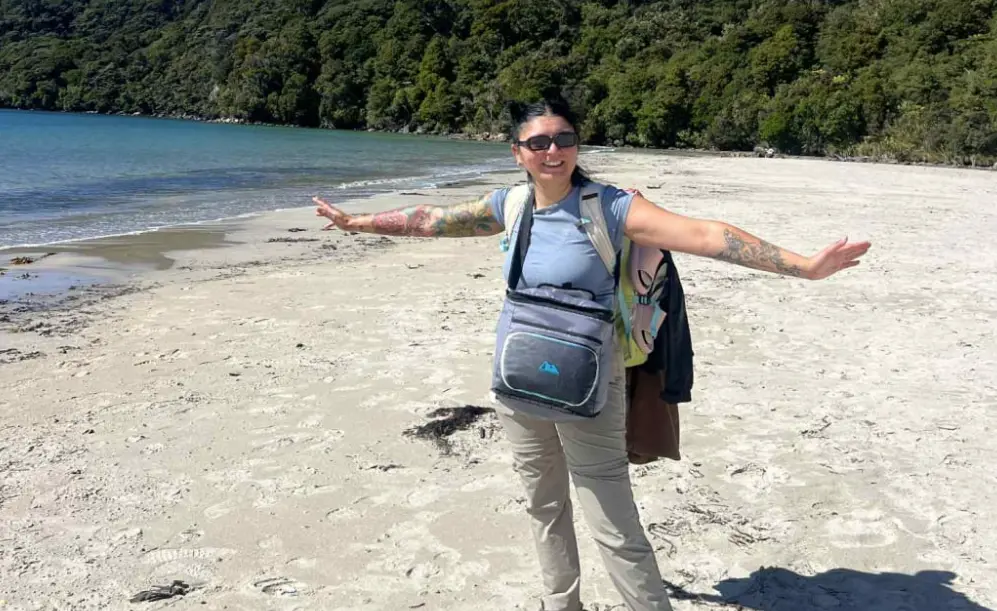
Vitreras said she had since been diagnosed with Post-Traumatic Stress Disorder (PTSD) by her GP and a psychologist.
Her request for occupational therapy had been declined by ACC while the investigation continued, she said.
She had been relying on financial help from her parents in Chile and her partner in New Zealand since she became unwell.
The woman has been unable to return home to Chile as doctors told her she could not fly with the clot.
She said she still had near-constant headaches and it was taking a huge toll on her mentally and physically.
"I feel lost in a system that doesn't seem to care... I just want to walk, work and live normally again. To have my life back."
A complex investigation
ACC's head of service operations Phil Riley said Vitreras had put in a claim for a treatment injury which could be "more complex" than typical physical injury claims.
"We acknowledge this wait has been difficult for Nataly, particularly as she has been unable to work and the financial impact this is having."
Riley said ACC was focused on getting her a clear outcome as soon as possible.
On average, it took 44 days to make a cover decision on treatment injury claims, he said - but complex cases where the cause of injury wasn't clear could take longer.
He said ACC relied on medical professionals providing detailed clinical information and the current pressures on the health sector affected how quickly this happened.
"In Nataly's case we are waiting on one final specialist report."
A treatment injury was an injury caused because of seeking or receiving medical treatment, Riley said.
"For us to accept a treatment injury claim, the person must have suffered a personal injury and there must be a casual like between the treatment and injury."
Visitors to New Zealand could access ACC support if they had a covered claim, Riley said, but no support could be given until there was an accepted claim.
ACC suggested Vitreras speak to her GP as there could be other agencies who could provide support.
"We're in regular contact with Nataly to ensure she knows what's happening to her claim."
The cause of the clot
Pinning down the specific cause of a blood clot could prove very difficult, Trevor Johnston, chairperson of the NZ Blood Clot Foundation, said.
"I'd say the emotional and mental aspect of having a blood clot… is extremely high. Some people can really struggle because of the lack of practical information given to you by the system."
Dr Emma Jackson, NZ vice president of the Royal Australian and New Zealand College of Obstetricians and Gynaecolgists, said it was important to note published evidence said there was no increased risk of a blood clot while taking the progesterone pill (mini pill).
"It is increased by the combined pill, but the risk is greater during pregnancy. The current data on the mini pill shows no association."
Jackson said often women who were at a higher risk of clots were put on the mini pill opposed to the combined.
"Women on the mini pill or any contraception should feel comfortable taking it. The risks of a clot from contraception are less than in pregnancy."
Jackson urged anyone with concerns to see their health provider.
Vitreras started a Givealittle page to raise funds for an MRI scan, private neurology consultation and living expenses while recovering.
