
PHOTO
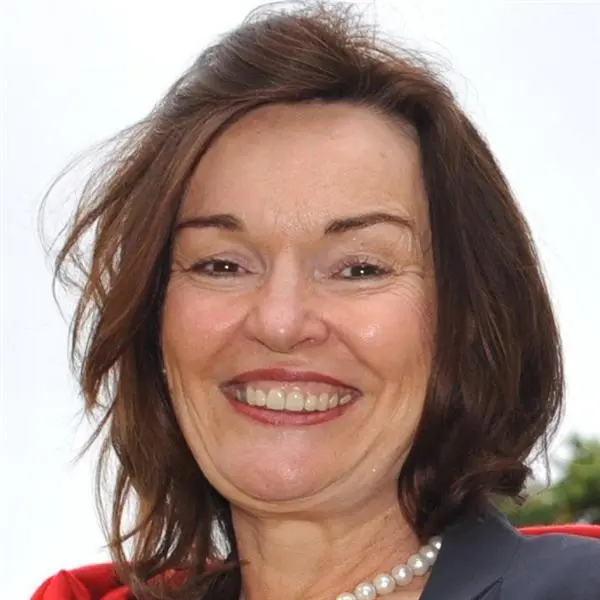
A renowned British chemist, who visited Dunedin to give a public lecture at University of Otago this week, hopes she can encourage more women to follow careers in science and says being a scientist is no barrier to raising a family.
University of Oxford chemistry professor Dame Carol Vivien Robinson is recognised for her ground-breaking research in the field of mass spectrometry and was made a dame in Britain this year for her contribution to science.
Speaking ahead of her public lecture on Monday, she said she hoped she could encourage any young women in the audience interested in science to take it up as a career. Dame Carol was keen to point out that raising a family and being a top scientist could go ''hand in hand''.
A mistaken perception that the two were not compatible had put some women off becoming scientists, she said.
People did not need to spend ridiculous hours in the lab to make large contributions to science.
''I used to find that you could be bathing your children, for example, and an idea could come to you.''
There was also still a notion out there among some people that men's brains were more suited to studying science, but this view was ''incompatible'' with the evidence.
However, she had a positive experience as a top woman scientist.
''It hasn't really held me back, being a woman, but I do think that more women need to hear that message.''
She felt odd about being labelled a ''role model'' for women scientists, but was happy if her success encouraged more women to become scientists.
Dame Carol had an unusual path to becoming the first professor of chemistry at both the University of Oxford and the University of Cambridge, after leaving school to become a lab technician at 16.
After being encouraged by a colleague, she did seven years' part-time training which got her into the University of Cambridge where she did her PhD.
She said it was fantastic to be made a dame.
''What was so nice about being made a dame was that my family realised I was actually something and my son even put it on Facebook,'' she said.
She also felt some people might take her views more seriously now she was a dame.