Budget 2026 has nothing that will really make a difference for struggling families, the Salvation Army says.
The government announced last week it would hike the amount 84,000 social housing tenants pay, from 25% of their income to 30%, from April 2027.
Those rent hikes would make it harder for many families who come into Salvation Army centres for support, the organisation's director of social policy Dr Bonnie Robinson said.
"They're already struggling and finding it very difficult to afford the basics. This budget is doing nothing to change that for them in any significant way, and for some people, things are probably going to get worse."
Robinson said the budget also showed no plan to reduce child poverty.
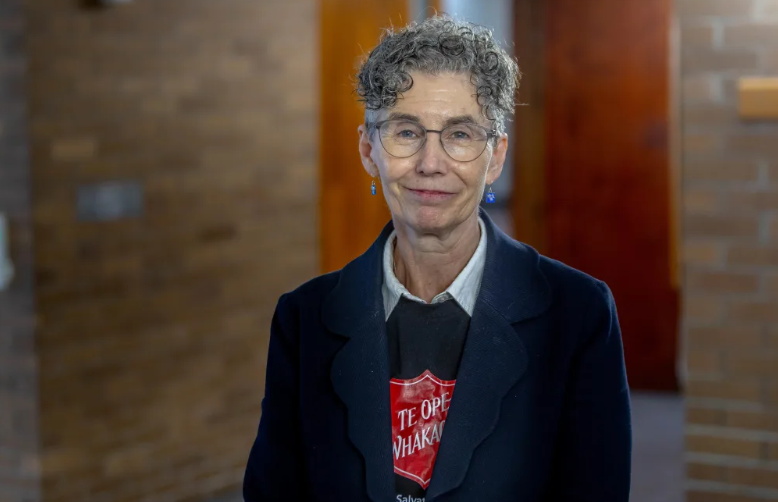
"We're going to leave more children in poverty. We've already had about 48,000 children in the last three years slip into poverty," Robinson said.
"That's very sad and disappointing because we know the life-long impact that's going to have on these kids."
She said investments in the budget announced today, including $45 million for community food support and breakfasts for school children, $93 million to help about 25,000 single parents access work, and $22 million to prevent households from needing emergency housing, did not go far enough.
"We are glad the school lunches and breakfast are there. All of these things help a little bit, but given the high level of need we're seeing, it's going to make a small dent."
She said that while it appeared The Food Network, the bulk supplier for food banks, would be getting ongoing funding, food banks themselves only had funding for one year.
"What it looks like is the actual food banks, who give the food to people who need it, are getting one year, but we don't know what's going to happen after that."
"We know food banks have been limping along for years with year-to-year funding.
"We have 40% higher demand on our food banks than we did pre-COVID, so things are still incredibly tough." The level of demand we can't meet. A lot of our food banks have had to move to scheduled appointments, and by early in the morning, they're booked out for the day."
This story was first published on rnz.co.nz |  |