
PHOTO

The Opposition says this year's Budget leaves New Zealanders to fend for themselves, with more spending for prisons and more children in poverty.
Finance Minister Nicola Willis preached prudence and discipline as she revealed her Budget 2026 with no "sugar hits" for voters, instead focusing on health and infrastructure spending - and reaching surplus a year earlier than forecast.
Labour had been saying for days it was National's last chance to show it understands how tough it is for New Zealanders, and to do something about it.
Today leader Chris Hipkins said they had failed to do so.
"Nicola Willis has given New Zealanders nothing to ease the pressure they are under. Instead of helping struggling New Zealanders, [Prime Minster] Christopher Luxon and Nicola Willis chose to make lives harder," he said in the House after she delivered the Budget.
"Under National, New Zealand pays for Luxon's cuts. Cuts that don't work and will bring immediate pain and make the economy smaller."
He said the government had gone against advice in cutting jobs and services helping seniors, families and young people and raised rent, and the public service cuts would affect frontline workers and hurt regional economies.
"They've chosen cruel housing policies, which will see 80,000 households worse off, on top of earlier decisions to cut housing builds and increase the number of Kiwis living on the street."
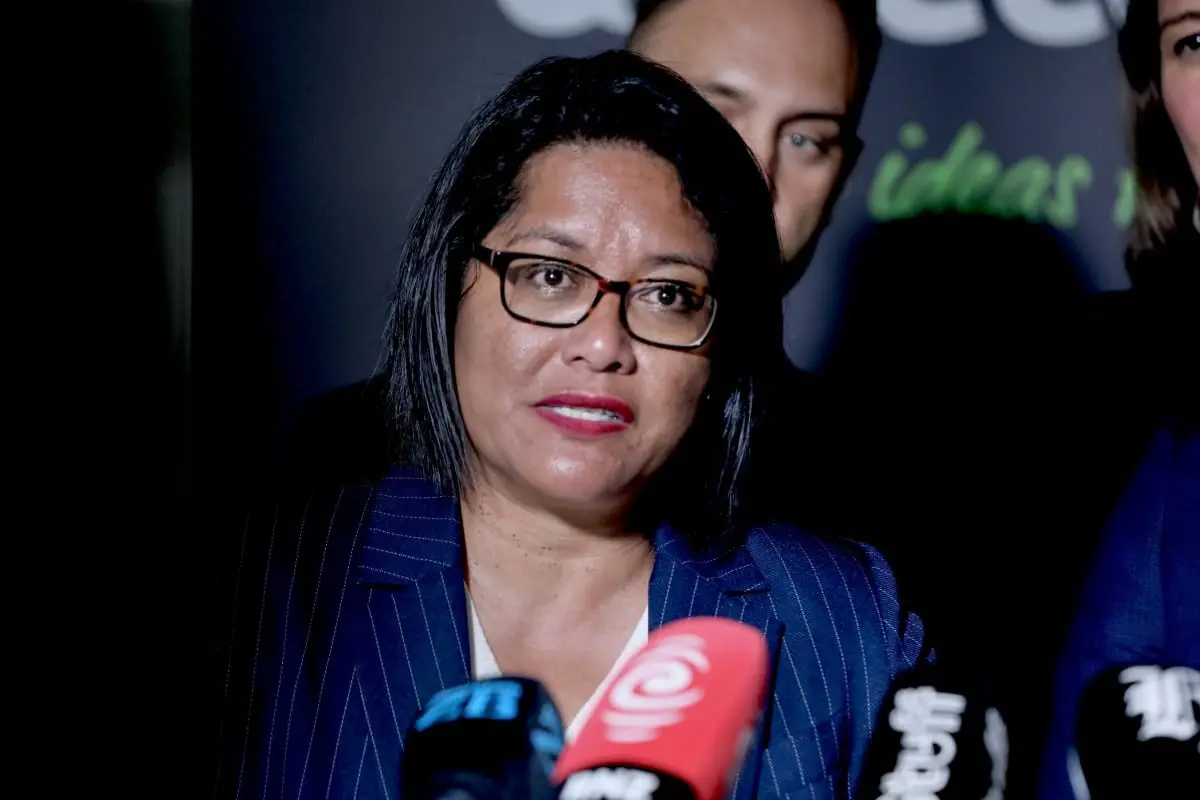
His finance spokesperson Barbara Edmonds said 40,000 more people were unemployed since Luxon became Prime Minister.
"His cuts to the building sector have cost 20,000 construction jobs. Because of his decisions the government is cutting up to 9000 jobs across the country."
The government confirmed it plans to cut 8700 roles from the public service, with most planned for after the November election - though the savings would be realised in this year's Budget.
Edmonds said the cuts would not grow the economy, "they shrink it".
"This Budget takes no action to help with rising costs. Families are choosing between expensive food and expensive fuel, tapping into their retirement savings just to stay afloat now.
"A trip to the doctor now costs close to $100 in some parts of the country. Rates and insurance have gone up. Energy bills have skyrocketed 20 percent, contributing to a 15-year high in business liquidations."
The Green Party said the Budget was leaving New Zealanders "fending for themselves with no vision or plan for the country".
'No hope, no plan, no ambition' - Greens
Green Party co-leader and finance spokesperson Chlöe Swarbrick said the economic update was a "stark warning for hooking our economy up to more fossil fuel vulnerability".
"Every day, New Zealanders feel the reality that Luxon's government has no hope, no plan, no ambition and no vision for our country. Today's Budget is yet more proof," she said.
She said with homelessness reaching its highest level, "the government's housing strategy is clearly prison, where they're today chucking half a billion dollars to increase capacity for prisoners".
She said with 21 states of emergency this year, and the Prime Minister acknowledging they were "inflamed" by climate change, "his government continues to pour fossil fuels on the fire".
"Nicola Willis and the Prime Minister keep saying they're committed to meeting the NDC, then cut domestic action, which logically necessitates an increase in cost to pay other countries to reduce their emissions instead.
"But this government refuses to be up-front and honest about that. Treasury has been clear today that the government's inability to commit to reality means that they can't properly forecast costs."
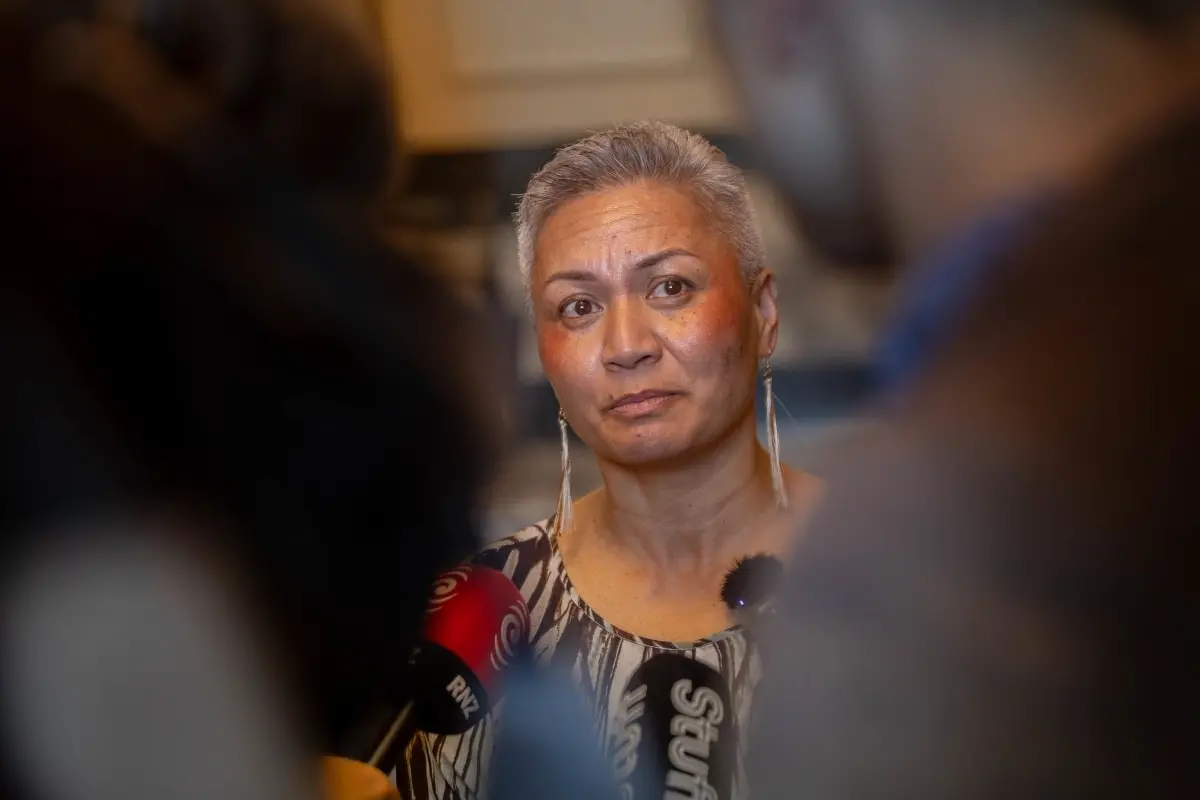
Co-leader Marama Davidson said the people who could least afford it were those being asked to pay for the Budget, and pushed back on the claims the government was being "prudent" and "responsible".
"What do those words mean to someone who is nervously watching the supermarket bill at the checkout? What do those words mean to the mothers who are missing meals just so the rest of their kids can have kai?
"When you have an economic approach that has arbitrary targets of surplus and debt without considering the real life impacts on people, that is a failed economic approach."
The government had decided not to help bring household bills down, she said, instead spending on warships, drones and prisons.
She said the government was also failing to meet child poverty targets, with a recent child poverty report confirming it was not on track to hit targets for both 2026 and 2027.
Children living in poverty - adjusted for housing costs - was still almost 20%.
"You don't get to set targets in law, miss them year after year, and then act surprised when one in seven kids is still going without the basics," she said.
"This is a political choice. Child poverty is not a force of nature. It goes up when governments strip support away from people, and it comes down when governments trust whānau with what they need to raise their tamariki with dignity."
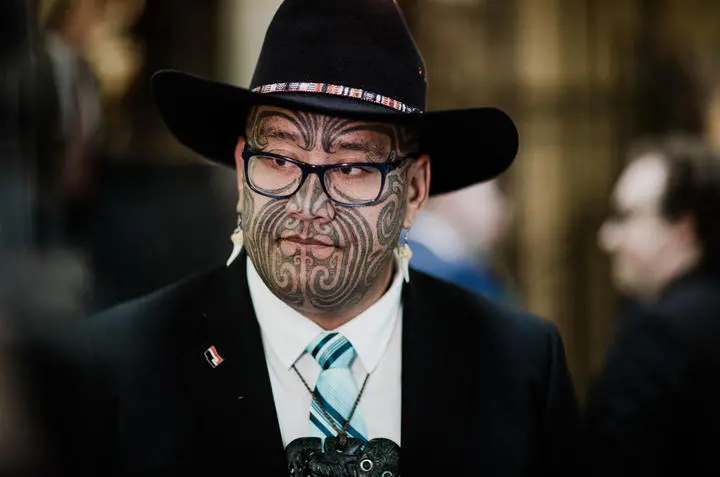
'Have-nots and the have-yachts'
Te Pāti Māori slammed this year's Budget, saying it's the lowest investment in Māori in 15 years and is calling for a wealth tax.
A boost for Māori broadcasting is the one main highlight. Some $48 million has been set aside over the next four years to support its "long-term sustainability".
Finance Minister Nicola Willis was confident the Budget has delivered for Māori, saying "Māori want the same thing as every other New Zealander."
But Te Pāti Māori finance spokesperson Rawiri Waititi said in a statement today that “Māori were not mentioned once in any of the Budget press releases”.
“The overall budget boasts a general increase in $13.4 billion and Māori took a loss of $34 million - that equates to 0.24% of the entire budget for Māori."
There was a $136 million reduction of Māori development funding, he said.
Waititi believed Willis was "sacrificing the livelihoods of ordinary people to pay for war and prisons".
“Unemployment is the highest it has been in 10 years. Māori unemployment has almost doubled under Luxon’s watch.
“This government has overseen eight consecutive quarters of negative GDP per capita. Household living costs have increased by 6.2%, and the amount of rangatahi who aren’t in education or work is the highest it has been in 14 years.
“Behind every economic statistic is a whānau making impossible choices.
“People do not experience the economy through GDP graphs. They experience it at the supermarket checkouts. At the petrol station. When the rent comes out. When the power bill arrives.
“This is not a story of the haves and have-nots anymore. This is a story of the have-nots and the have-yachts.
“The top 10 percent now own nearly half the wealth in Aotearoa, while the bottom 50 percent share just 6.7 percent between them. The bottom 20 percent of people have a negative net worth”.
There was enough wealth in Aotearoa to ensure everyone’s needs are met and the economy thrives, he said.
“The solution is simple: a wealth tax. Under our policy 98 percent of people in Aotearoa will pay less tax because the people who benefit the most from the economy should contribute the most. Because tax should target wealth, not work”.
He believed the Budget would allow for the privatisation of public assets.
- additional reporting Allied Media
This story was first published on rnz.co.nz |  |