
PHOTO
In an election campaign full of rancour and disagreement, infrastructure is an oasis of collegiality and consensus. Well, almost.
All parties agree that over the next few decades the New Zealand government will need to partly or fully fund, and singly or collaboratively build, a lot of infrastructure.
But just what should be built, where, how it should be funded and how consents for the work should be granted remains contested territory.
For most parties, their starting point on this debate is the Infrastructure Commission’s National Infrastructure Plan, released in February.
The commission, an independent body, criticised governments of all stripes for a “fragmented, inconsistent, and incomplete’’ infrastructure building process, and called for better planning, asset management, and project delivery.
It called for cross-party consensus, a 30-year plan for developing infrastructure based on need, and the establishment of a dedicated development corporation to fund and oversee the work, and it was listened to.
Minister for Infrastructure Chris Bishop endorsed the commission’s view, noting that it was not the government’s plan, rather it was New Zealand’s plan.
Labour’s Kieran McAnulty and the Green’s Julie Anne Genter added their own forewords to the government response to the commission plan, offering their support to the spirit of the plan.
So far so good, but there are many wrinkles to be ironed out before unanimity is achieved.
For example, there is the oft-vexed question of equity of development between urban and rural and between cities or provinces.
It is easy to argue that more people live in Auckland than anywhere else so naturally that area should receive more money than anywhere else, but that is cold comfort to people in Oamaru needing coastal defences against erosion built, people in Invercargill battling crumbling roads, or people across the South seeking an upgrade on the hospital currently providing regional mental health services.
But even within that argument is a subset of issues; yes, the central lakes district urgently needs its infrastructure upgraded to manage its burgeoning population, but that critical and highly expensive need would soon suck up all the money available for Otago and Southland if central government was funding development on a per capita basis.
All building starts with a plan and planning remains a significant bone of contention between the parties.
Those in the current governing coalition, particularly National and Act New Zealand, placed huge faith in the overhauling of the resource consent system as the cornerstone of addressing the country’s development woes.
A replacement system for the Resource Management Act was put in place just before the election, and National is now, and non-specifically, campaigning on “finishing off the job we started fixing our planning system”.
Act, meanwhile, wants to make “responsible mineral and energy development easier’’ and further speed up the consenting process.
NZ First has gone all in on its proposed $100 billion “New Zealand Future Fund’’, which it argues would “enable future economic growth and social enablement”.
On the other side of the House, Labour and the Greens has major issues with the government’s RMA reforms.
While both, and particularly Labour, were prepared to consider a bi-partisan rewriting of resource management law, both were ultimately disappointed by what they felt were inadequate consideration of and provisions to address environmental protection concerns.
Both would prioritise yet another rewrite of the RMA — although the parties are promising it would be a shorter process given that each had many amendments to redraft the law in, a to their minds more fair way, voted down. Many of those would be revived as an amendment Bill.
More broadly, each also has proposals akin to the commission’s development fund in their manifestos. Labour proposes establishing two funds, one for infrastructure and one for high-tech development, while the Greens backed all the commission’s recommendations, albeit with caveats such as wanting a zero carbon approach to increasing electricity generation.
That is not the only flashpoint on development. The Greens are also ardently anti-mining while most other parties, to varying degrees, are somewhat or entirely supportive.
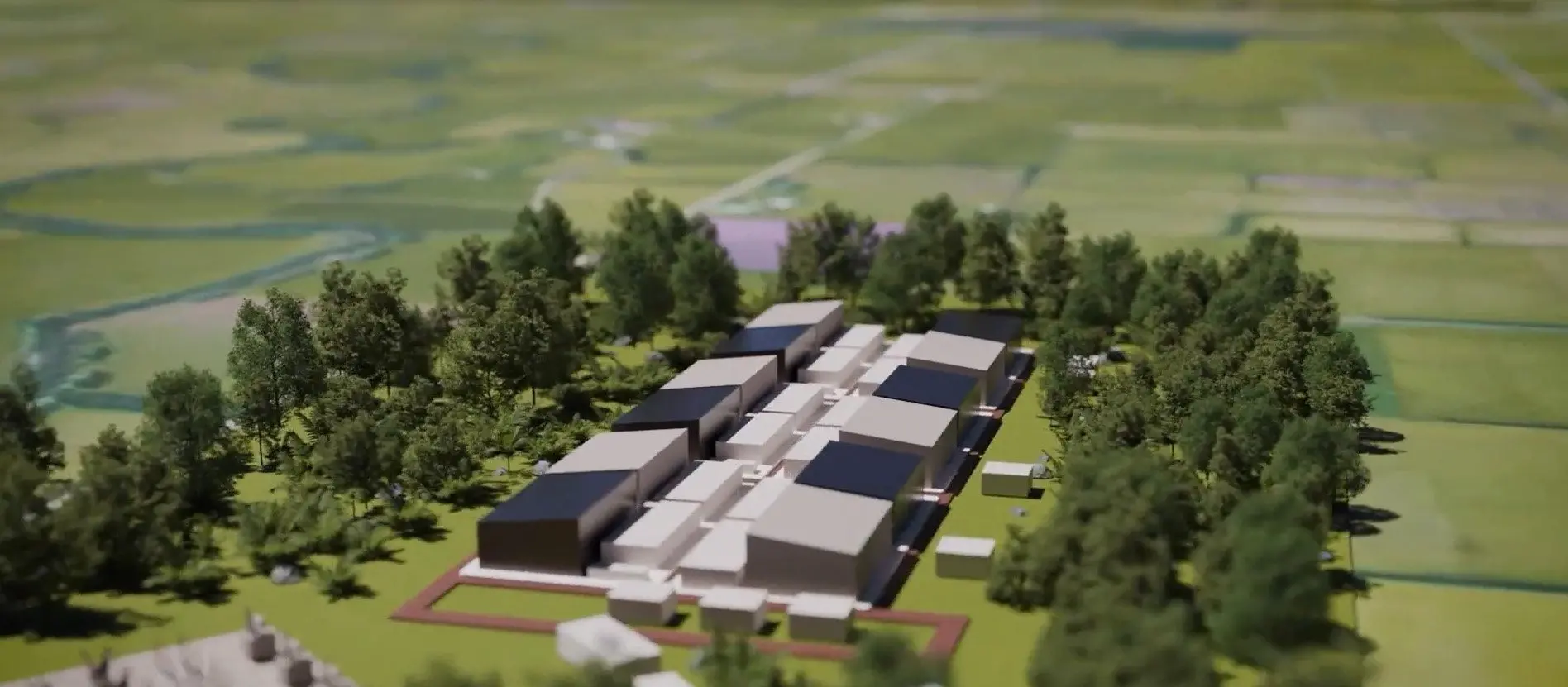
AI data centres are another bugbear; all parties can see the need for New Zealand not to be left behind in the race to utilise the technologies powered by such developments, but wariness exists about the amount of electricity and water they need to operate, and their actual economic benefit to the region they are built in.
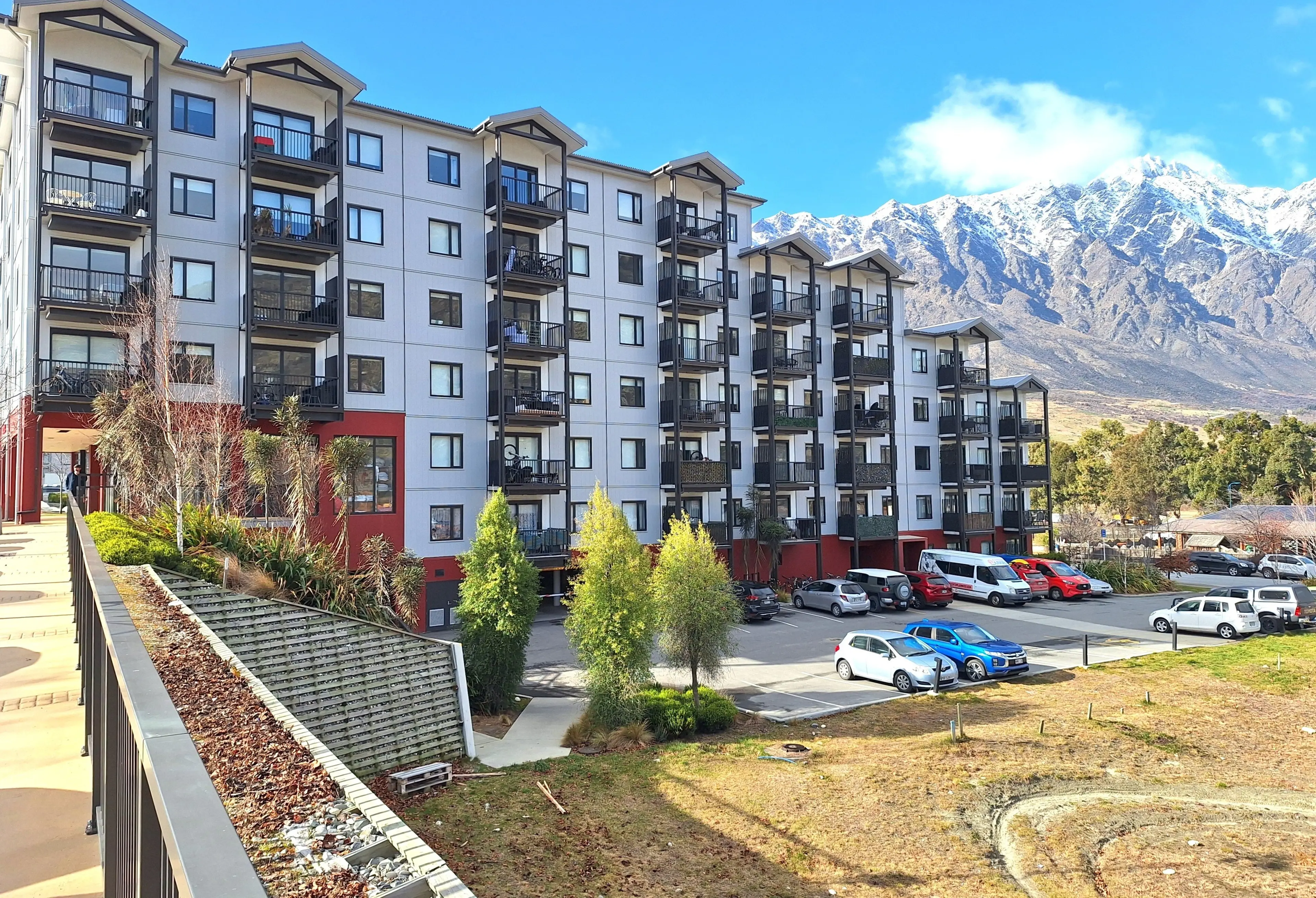
Housing, too, is a hot consideration. No party is opposed to enabling more Kiwis to own their own homes, but in many places — notably Queenstown and Wānaka — the pace of consenting new developments is struggling to keep up with the need to construct appropriate infrastructure such as sewerage and roads.
Te Pāti Māori too is all in favour of infrastructure development although, in keeping with its kaupapa, its policy announcements are focused more on how to make Māori-owned land more productive, and how to place more weight on development decisions on the views of iwi.
Opportunity has yet to make it in to Parliament but it too has given infrastructure policy plenty of thought.
In line with its centrist philosophy it backs a cross-party approach to the issue of infrastructure, wanting the commissions plan to be made law. It also wants greater priority to be placed on maintenance of existing assets and also proposes its own version of an infrastructure fund.
That leaves all parties wanting to build, and the electorate to decide who gets to say yes we can.