
PHOTO
The national bowel cancer charity says lowering the screening age from 58 to 56 years old will save hundreds of lives.
The change is being rolled out region by region, making another 200,000 New Zealanders eligible for the free at-home test.
It is part of a broader commitment to match Australia's screening age, which is 45 years old.
Bowel Cancer NZ chief executive Peter Huskinson told RNZ’s Morning Report programme on Wednesday it was a significant step - but just that, a step.
"More than 600 fewer cancers and more than 500 deaths prevented over the next 25 years is significant," he said.
"It does come in the context, though, of a much bigger challenge - that we have a significantly higher death rate than Australia, and that's why the commitment has been made to match Australia."
He urged the government to move faster.
"Over the next 25 years, if we stay on the course we're on we'll probably see around 10,000 more deaths than Australia will. So this 500 is really important, but it's a step towards the promise the government made."
For those 56- and 57-year-olds now eligible, he said the tests would be life-saving.
"It catches cancer at its most treatable stage, so around 4 in 10 bowel cancers caught by screening will be at the earliest, most treatable stage with a 90 percent cure rate.
"If you wait for symptoms to develop, it's only 1 in 10 [that will be at the earliest stage]."
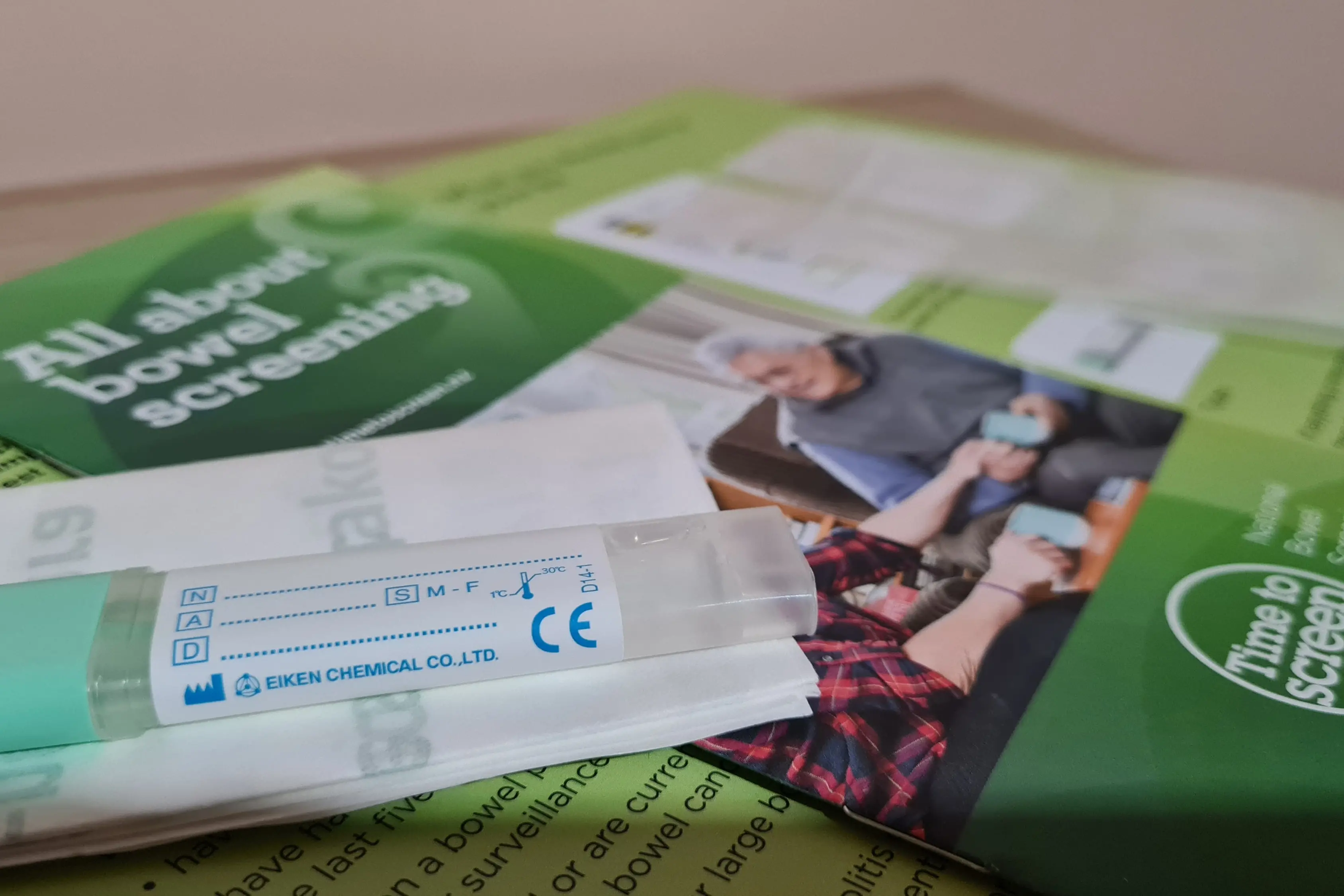
Anyone eligible would get the test in the mail - and he urged them not to ignore it.
"You'll get an envelope in the post, and the critical thing is you've got to act on it. It's not going to save your life if it sits in a drawer or goes in the bin.
"If you've had one and you've thrown it away, just give the bowel screening programme a call and they'll send you another kit. It's really important to do it."
The test identified microscopic amounts of blood in a person's stool, signalling whether they needed a colonoscopy.
"For most people that investigation will [reveal] one of two things, it'll either be an all-clear, or it'll actually be a prevention of a future cancer - because this test catches cancer even before it happens," he said.
"For a small portion of people it will detect cancer, but even if it does that it will be earlier and more survivable than it would have been."
He hoped the government would fulfil its promise to match Australia's screening age sooner rather than later.
"The government has promised it's committed to match Australia's screening age as soon as the capacity is freed up.
"The key thing everybody wants to see is the government name the date for when [it will] achieve the promise to screen at 45."
