
PHOTO
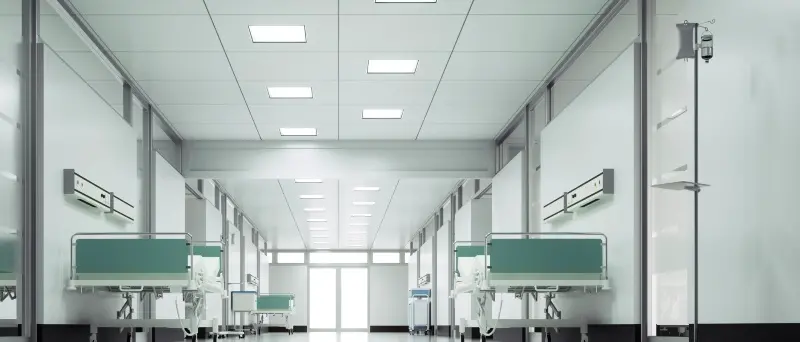
Hospitals do not have enough ICU capacity to cope with a large Delta outbreak, which health experts say underlines the need for an alert level 4 lockdown.
Last year New Zealand ranked near the bottom of the OECD for per-capita ICU capacity, but since then the Ministry of Health says the number of available ICU-capable ventilators has more than doubled.
In May last year, as the country was coming out of its first lockdown, a Ministry of Health paper found there were 334 ventilators and 358 ICU beds.
There are currently 284 fully staffed ICU beds across public hospitals, and the ministry says there are 629 ICU-capable ventilators, with 133 in the national reserve if required.
But that didn't mean hospitals' ICU units could handle more patients, according to ICU doctor Craig Carr, who is the New Zealand regional chair of the Australia NZ Intensive Care Society.
"We now have more equipment compared with 18 months ago, but we actually have very few extra staff, and in some instances, we've got fewer staff," he said, adding he was speaking in a personal capacity.
"Actual resourced bed capacity on a day-to-day basis, in terms of a bed with a nurse and a ventilator and all the monitors - that has not risen, to my knowledge, in the last 18 months."
Nor was it ideal to have one ICU nurse looking after several patients, he said.
"You get to the point of what Italy had with lots of patients on ventilators, but they weren't being looked after by an ICU nurse or doctor.
"Clearly the patient's still got a chance at life, but it's not as good as if they had an ICU and doctor to engage in their day-to-day care."
That meant a level 4 lockdown was the right response for Delta cases in the community, Carr said.
"Low levels of patients coming in with Covid to a hospital will very rapidly bring a cessation of business as usual. It would start to impact on things such as cardiac surgery or cancer surgery.
"There are months when we cancel 40 to 50 per cent of elective cardiac surgery - and that's without Covid."
That was echoed by epidemiologist Professor Michael Baker.
"Everywhere there's pressure on the health system, so it tends to be run at close to capacity for a lot of the year, and particularly over winter.
"Sometimes when capacity is really pressed, it does mean that they have to start cancelling elective procedures."