

PHOTO
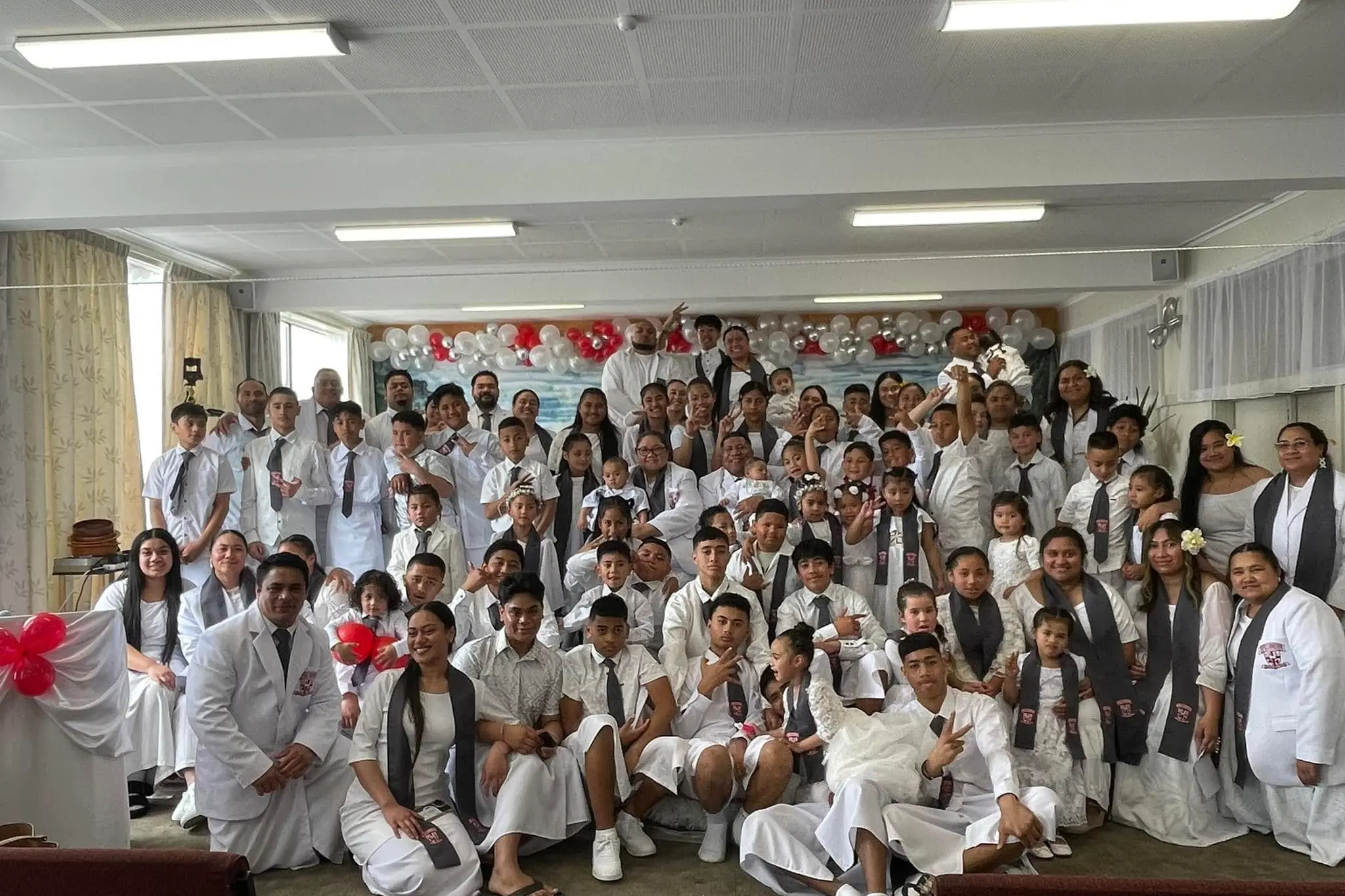
If you witnessed a procession of Pacific and non-Pacific children into a church last Sunday, heard their natural purity and joyfulness as they sang, or witnessed them sound out Bible passages through citations or Bible stories through dramatic skits, you were fortunate to participate in White Sunday.
On the second Sunday of October, most Pacific churches and Pacific communities in multicultural churches celebrate White Sunday, known in Samoan churches as Lotu a Tamaiti.
The event began in 1898, when the London Missionary Society introduced the idea to the Congregational Christian Church of Samoa.
Since then, White Sunday has become a special day in the Pacific church calendar, when children, including teenagers, are honoured as preachers of the Christian gospel.
Children take centre stage by leading Sunday worship, and the spotlight extends beyond the place of worship, as they are served a feast and enjoy social activities. In Samoa, the celebrations continue to the following Monday, treated as a public holiday.
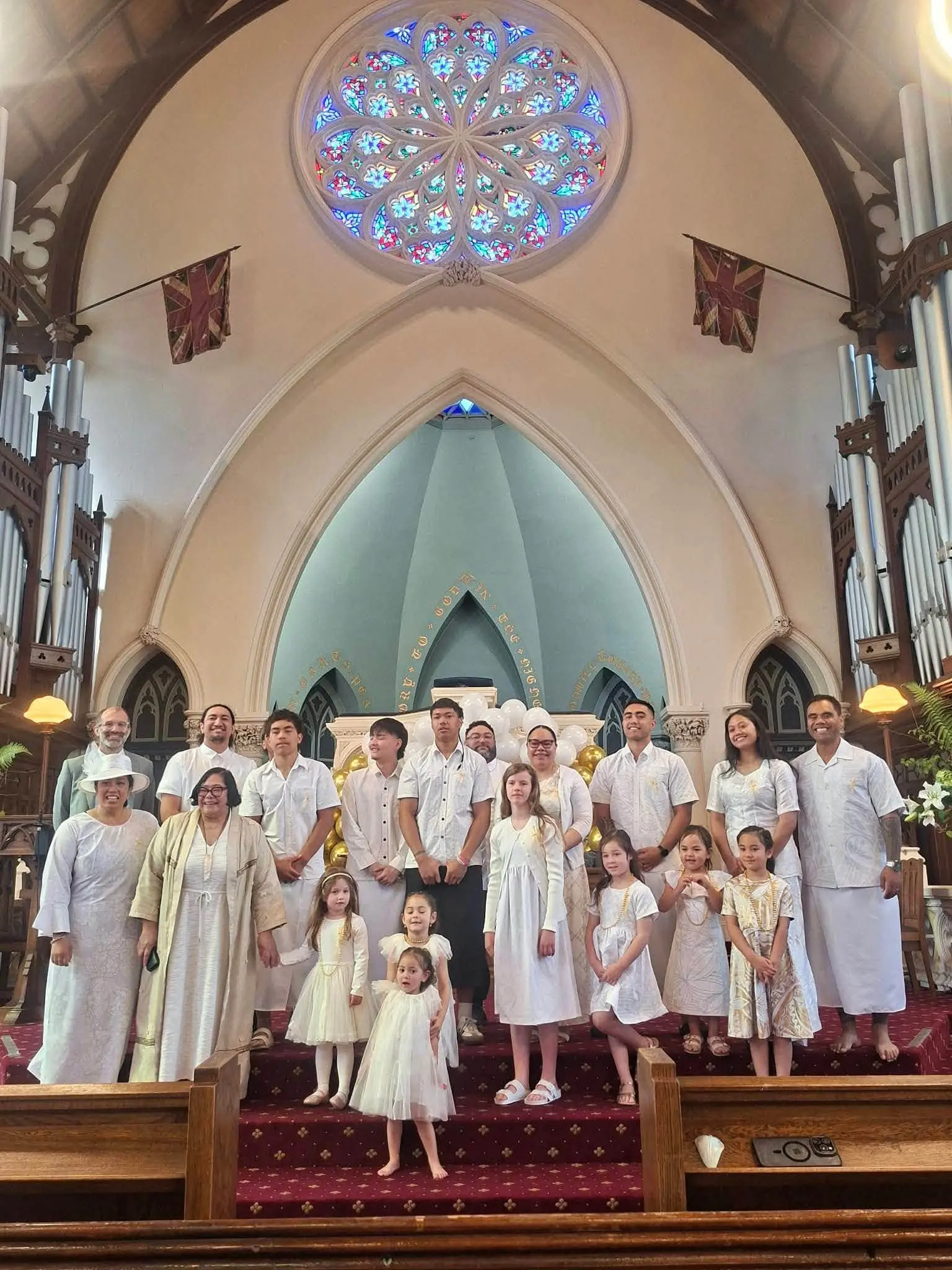
The religious festivity reflects the occasion's name through its all-white dress code, symbolising purity, new beginnings, and spiritual renewal.
Girls usually complement their white dress with a tiara, ribbon, carnation, white flower headpiece, and new shoes.
Boys wear a new white shirt, a white ie fai taga (a pocket lavalava), and a formal tie in a uniform colour.
The metaphor of new life links local and Christian tradition. The annual fixture on the second Sunday of October traces back to a local Samoan festival celebrating new life, marking the start of the harvest season for tropical fruits and marine fisheries in Samoa.
Religiously, the baptism of children during the ceremony signifies spiritual rebirth and welcome into God’s family, echoing the Pentecost Christian tradition.
Beyond Samoa, White Sunday has multifaceted origins in 19th-century Britain.
The children’s procession from the outer areas into the place of worship recalls the Whitsuntide processions (locally called the Whit Walks) from the Manchester area in England.
Additionally, the role reversal of children taking over duties usually assigned to adults is also characteristic of the English Sunday School Anniversary.
White Sunday presents a radical social reform that reverses the status quo. Elizabeth Roach identifies the implications of White Sunday as a ``ritual of status reversal.’’
On this day, the children take the place of the church minister, who holds a revered position as God's representative (sui vaaia o le Atua).
This is significant because in Pacific communities, children are raised to respect their parents and elders and to follow teachings that preserve culture and social cohesion. They are generally passive learners at the bottom of the hierarchical ladder, with limited opportunities to voice their opinions.
On this special day, the children are commissioned to be preachers for the day. The honour and privilege given to God’s ordained minister is bestowed on the children.
Against traditional customary practice, during White Sunday, adults serve the children and go beyond their means to ensure the event's success by helping with behind-the-scenes preparations.
They decorate the church entrance, pew markers, and the church perimeter with winding, dense garlands and foliage installations that create a stunning "living tapestry" effect.
Adults also spend time and resources buying new clothes for their children and preparing a White Sunday feast for the whole community.
As parents, hearing our children share the gospel and seeing them positioned at the centre of the church service is a liberating experience for all. Every year, the element of surprise at what they can offer the church through their gifts and talents generates pride and wonder.
After White Sunday, I am reminded how many times we overlook the views of the younger generation because we think they have little to offer.
Translating my White Sunday experiences into the wider society raises a few questions.
In a world where adults dominate leadership positions, how well are we serving our children’s needs? Are we giving them enough space to be heard?
How can we draw out the best qualities in our children and equip them to be effective leaders for tomorrow’s New Zealand?
The questions raised will no doubt receive different responses. All children have a human and legal right to form their own views and express their opinions freely.
Sadly, they are often overlooked as minors. White Sunday has reminded me that children also have a responsibility in God’s plan, and an imagination that may help to shape a future filled with hope for all.
Are we, as decision-makers, informed and courageous enough to listen and provide a flourishing world for future generations, or are we consuming tomorrow’s sunshine?
- Dr Terry Pouono is Pacific Lecturer in Theology, University of Otago.