
PHOTO
Dunedin’s new hospital is being built without a confirmed laboratory to serve it. Here is what that means in practice.
A neurosurgeon stands over an open incision, waiting. Somewhere in the same building, a pathologist is examining a sliver of frozen brain tissue under a microscope, working out in minutes which type of cancer it is. The surgeon cannot close, or continue with the operation, until that answer comes back.
This is not a hypothetical. It is a routine part of modern cancer surgery, called an intraoperative frozen section, and it depends entirely on the pathology laboratory being in close proximity to the operating theatre. At Dunedin’s new hospital, that is still not guaranteed.
Dunedin now has one new hospital building finished and on budget. Whare Mātūtū, the outpatient building, welcomed its first patients this month.
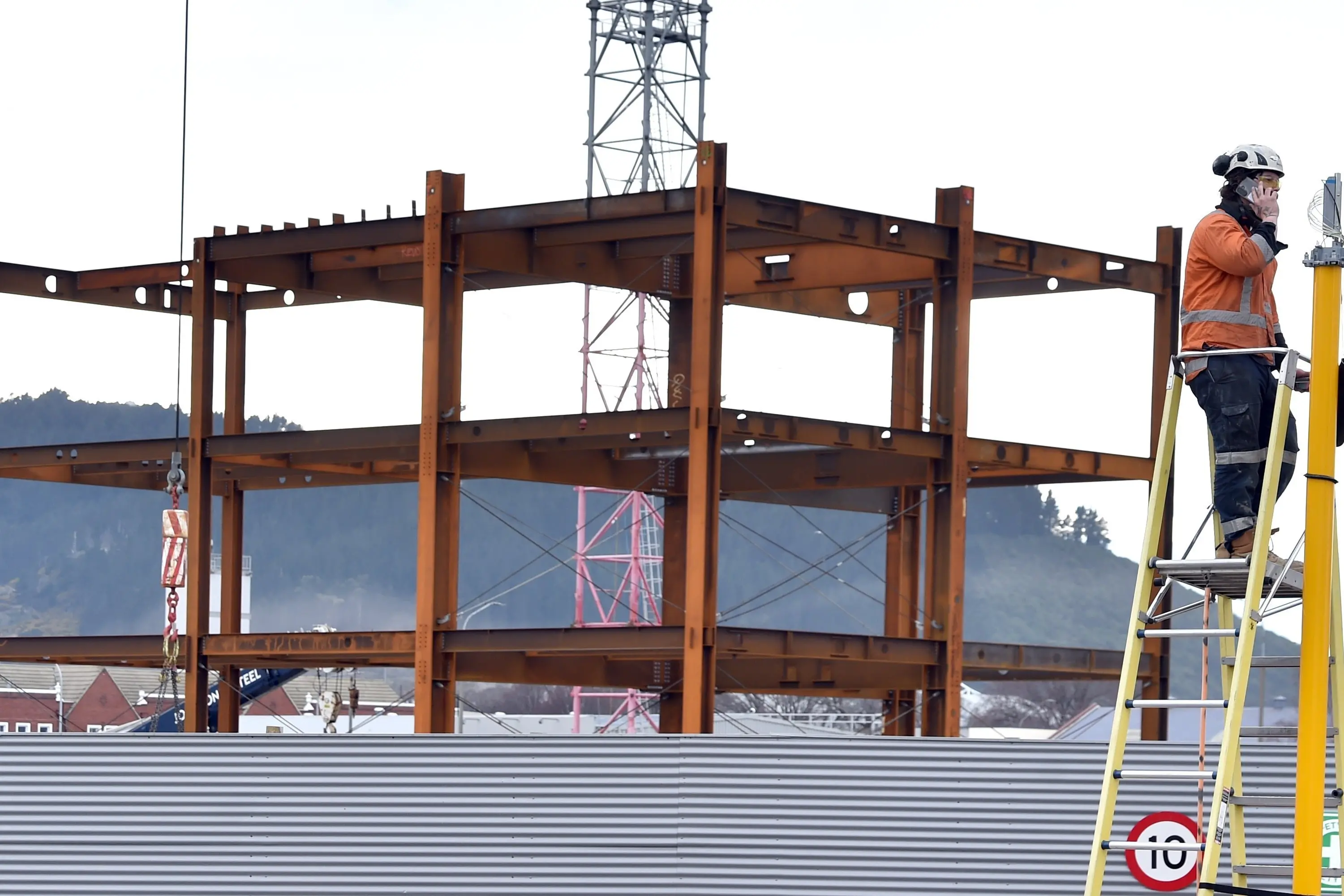
It does not contain the operating theatres. The building that does is still going up across the road.
It is due to take patients in 2031, and it still has no confirmed laboratory.
This is one example out of many. Every part of the hospital depends on the laboratory being close enough to matter: the emergency department, cancer services, intensive care, the operating theatres.
Split the service across sites, or send samples off site, and you add travel time.
Samples degrade on the journey. And you lose the round-the-clock cover that emergency and intensive care depend on.
None of this is controversial among clinicians. It has simply not yet translated into a confirmed decision.
Pathology space for the new Dunedin hospital was cut by more than 70% in the original design, partially restored under pressure, then deferred into a national service review.
Each time, the laboratory has been treated as optional.
Health New Zealand’s 10-year Pathology Service Development Plan is expected to help inform a decision for Dunedin. However, no date has been set for that decision, while construction on the inpatient building is already under way.
That is the building with the theatres, the emergency department and intensive care.
A laboratory takes time to build, and it cannot be added once the building is finished.
Patients cannot afford for the laboratory to be an afterthought. If Health New Zealand waits for the national plan before it commits to the size of Dunedin’s laboratory, the hospital risks opening in 2031 without one fit to serve it.
This is not an argument about who should run New Zealand’s laboratories. Every pathology test in this country is paid for by the taxpayer through Health New Zealand. Public laboratory or private, it makes no difference to who funds it.
Private providers deliver much of that testing under contracts negotiated years ago. Those arrangements will change over the life of a hospital. The laboratory must outlast them.
A single laboratory serving both the hospital and the community is also the more efficient model: it removes duplication rather than adding another split.
The buildings are the government’s responsibility, regardless of who ends up running the services within them. Health New Zealand should fund and build the laboratory space itself, as part of the hospital.
And it should design it with the clinicians, pathologists, scientists and operators who will have to work in it, before the plans are drawn rather than after.
Whoever forms the next government will inherit this decision, and inherit the growing cost of further delay, in cancer diagnoses, in workforce retention, in the confidence of a region that has been waiting more than a decade.
This should not be a partisan question. Every candidate contesting Dunedin’s seats should have an answer ready before voting starts.
Dunedin has waited long enough to be told when it will get one.
- Dr Ling Chan is an anatomical pathologist and Dr Juliet Elvy is a clinical microbiologist, both based in Dunedin. Dr Chan and Dr Elvy are both members of the Royal College of Pathologists of Australasia.