
PHOTO
The need to invest into energy efficiency and low emissions technologies is uncontentious.
Warm homes, hot showers, and efficient transportation with the lowest environmental footprint will make us all better off. The electric power system is critical enabler for a transition to a sustainable society, and our future will be decided by how we tackle the energy, climate, and cost trilemma.
New Zealand-Aotearoa is energy resource rich. We have lots of hydro power, geothermal, wind, sun, and biofuels.
Energy resources that vary through time and are particular to a place. The country is long and thin with mountains and seas ensuring cities and industries are spread out.
Our country benefits enormously from the electricity network, or grid, which connects spatially sparse energy resources with a multitude of diverse loads. The aggregation of generation and demand smooths electricity flows, reducing peaks, allowing infrastructure costs to be minimised and shared.
However, to keep the lights on in a system with intermittent generation and variable loads requires careful management and keeping balance using energy storage.
We are lucky to have a hydro power backbone that is strong, but it has its vulnerability; the well-known dry year problem. A dry year occurs when there is insufficient energy stored in our hydro lakes to get us through the winter without cold showers or massive economic losses.
While we might not have a dry year this year, the market structures that are imposed on a natural monopoly, the longest duration energy storage, leads to scarcity pricing no matter which year.
The New Zealand Battery Project was established to find a fabled solution to the dry year problem. The need for 5 TWh of energy storage was identified as a baseline and an Onslow pumped hydro energy storage scheme the potential saviour.
During the project the Onslow solution was realised to be a costly constrained sliver-bullet.
Pump hydro works best when water is pumped as high as possible over as short a distance as possible, and able to operate freely without restrictions on water takes and discharges; this is not Onslow. A silver bullet is no good if it fails to arrive on time, over budget, or is offline.
The dry year problem and needs for energy storage are changing as more renewable generation is integrated into the power system.
The Battery Project realised this and pivoted late in its existence to consider alternate and diverse solutions. Unfortunately, the coalition government terminated the project leaving a vacuum of leadership.
In the absence of leadership; a conservative approach of continued reliance on fossil fuels has promoted the LNG import terminal. This will make us vulnerable to price shocks, have ongoing environmental impacts, and pushes costs into the future; it is not a solution.
A progressive solution is the abundance ideology. The abundance solution underlies the rush to install solar and batteries and electrify everything.
This relies on a techno-fantasy happening suddenly sometime soon. The abundance ideology is exposed when considering long duration energy storage and hypocritically arrives at diesel as a backstop.
Abundance fails to provide a solution for energy resilience, overlooks the embodied carbon, and pushes debt onto consumers.
Accompanying policies of ringfencing gentailers and dissuading investment in transmission and distribution are not consistent with a holistic approach to power system planning.
In the absence of a government-led approach there is little funding for a holistic systems engineering approach to solve our energy issues.
A holistic solution will deliver a diverse array of renewable energy generation projects, demand side management interventions, and energy storage resources. Together these will have the best engineering, the lowest environmental impacts, and the best bang for buck.
If we want to deliver an affordable resilient electricity supply, then our community needs to reclaim our power system, and develop projects that have proven cost benefit and global environmental impacts.
Energy sovereignty will result from work and capital expended in New Zealand, not through superfluous public debt to fund mega projects, or private debt to buy a mixed array of imported consumer electronics.
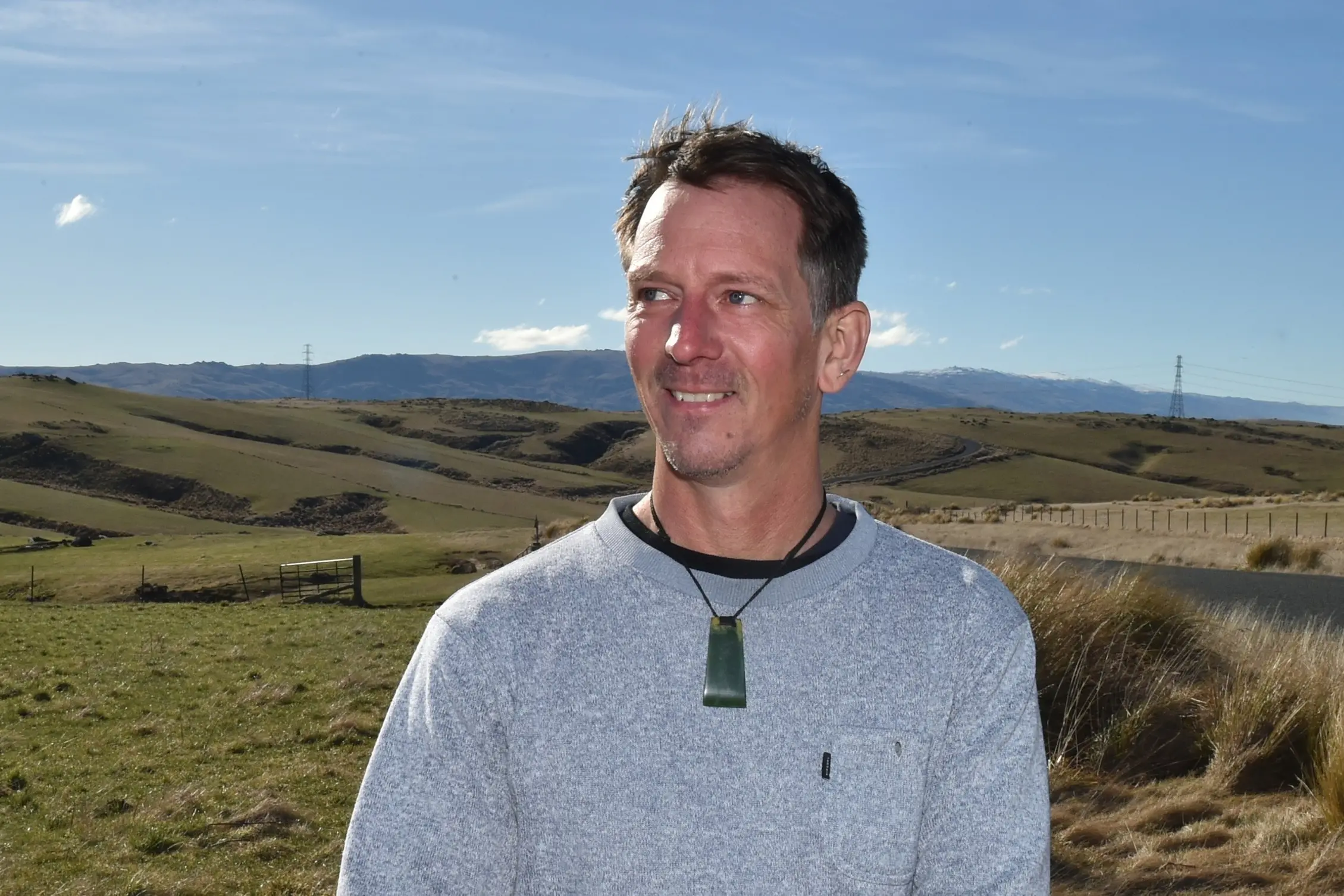
- Dr Dougal McQueen has a PhD in Electrical Engineering from the University of Canterbury, has worked as a wind energy engineer for over 20 years, and is the originator of the Sutton Pumped Hydro project.