
PHOTO
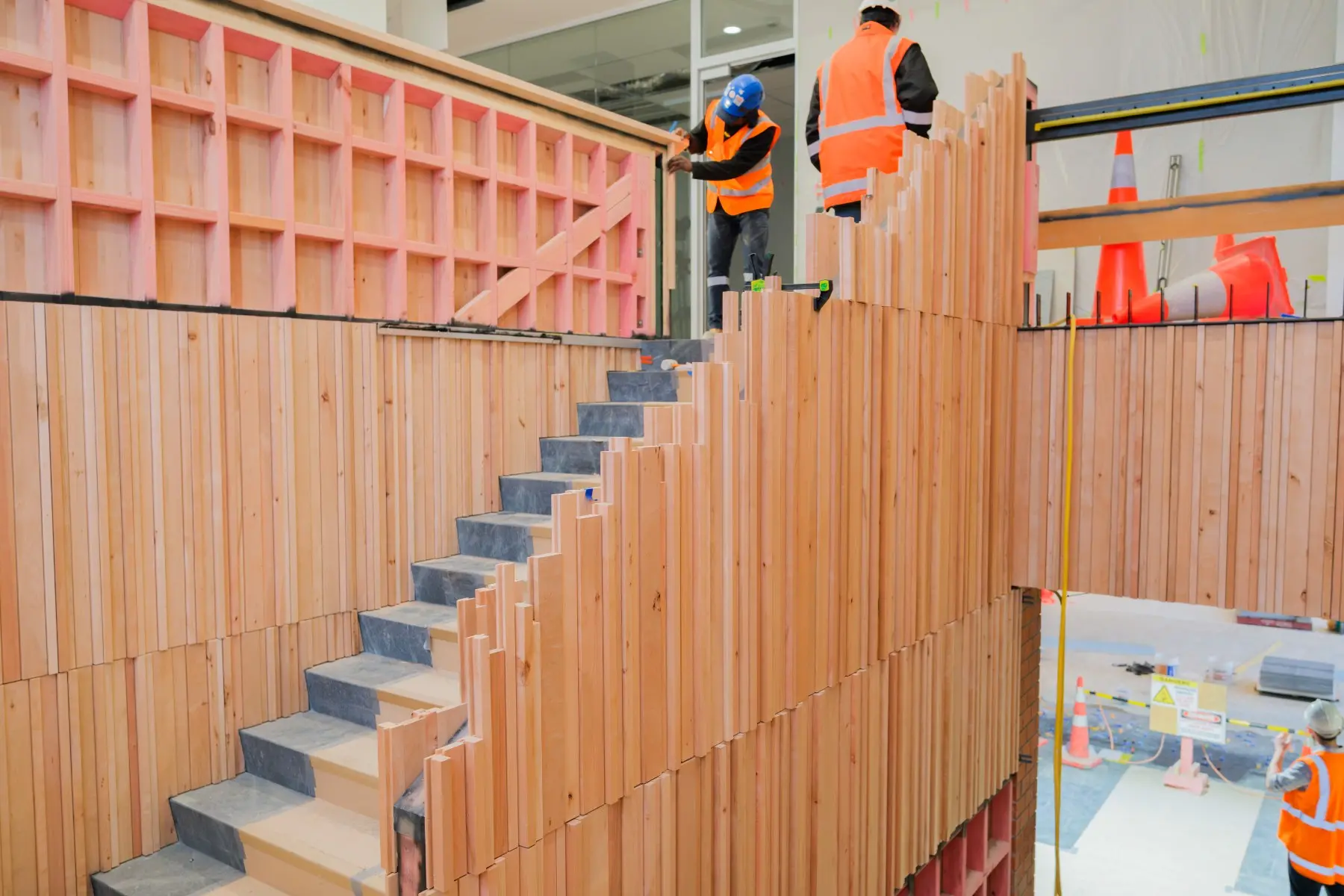
Te Unua Museum of Southland will be built with highly sought after and sustainably sourced timber, coming straight from its own backyard.
Lead contractor Nayor Love said construction was likely to finish soon, ahead of its public opening sometime in 2027.
Among the materials used in the build was Southland maple beech, which is notably featured on the doubled hulled waka suspended above the museum’s central foyer.
Museum director Eloise Wallace said the use of the timber was meaningful not only because it was sourced locally, but also for its history in New Zealand.
“Southland beech has been used to build homes, furniture, and public spaces throughout New Zealand for decades.”
Southland was home to some of the country’s largest remaining stands of native beech forest, making the region synonymous with its milling, she said.
“It’s quite poignant to use such a highly prized material from right here in our own backyard as we bring Te Unua to life.”
Sawmilling represented a “fascinating chapter,” in Southland’s history and represented the communities that populate the region, she said.
“It embodies lots of stories about community, the conservation of our native forests, and the heritage of our people and place here in Southland.”
The beech used for the museum was harvested by Tuatapere based firm Lindsay & Dixon, who have been operating locally since 1931.
Firm owner Rodney Lonneker said while every project they undertook was meaningful, the opportunity to showcase western Southland beech at the new museum was significant.
“To me, it’s all about the story behind it . . . I’m from Riverton and I’m logging in some of the same areas my family were logging in over 100 years ago.”
The history of sawmilling in the region, especially near Tuatapere and Riverton, was “phenomenal”, he said.
”It just means a lot because it’s part of our heritage . . . it makes sense for the Southland museum to use Southland timber.”
Beech was initially unpopular with European settlers, who preferred native softwoods such as rimu and tōtara because they were easier to work with.
However, as milling technology improved, beech became known as a premium wood due to both its beauty and durability.
After large-scale harvesting of native timber was phased out, Lindsay & Dixon has been harvesting beech under a sustainable management plan.
They have also supplied beech for multiple significant projects around the country including the New Zealand Supreme Court building. — ALLIED MEDIA