

PHOTO
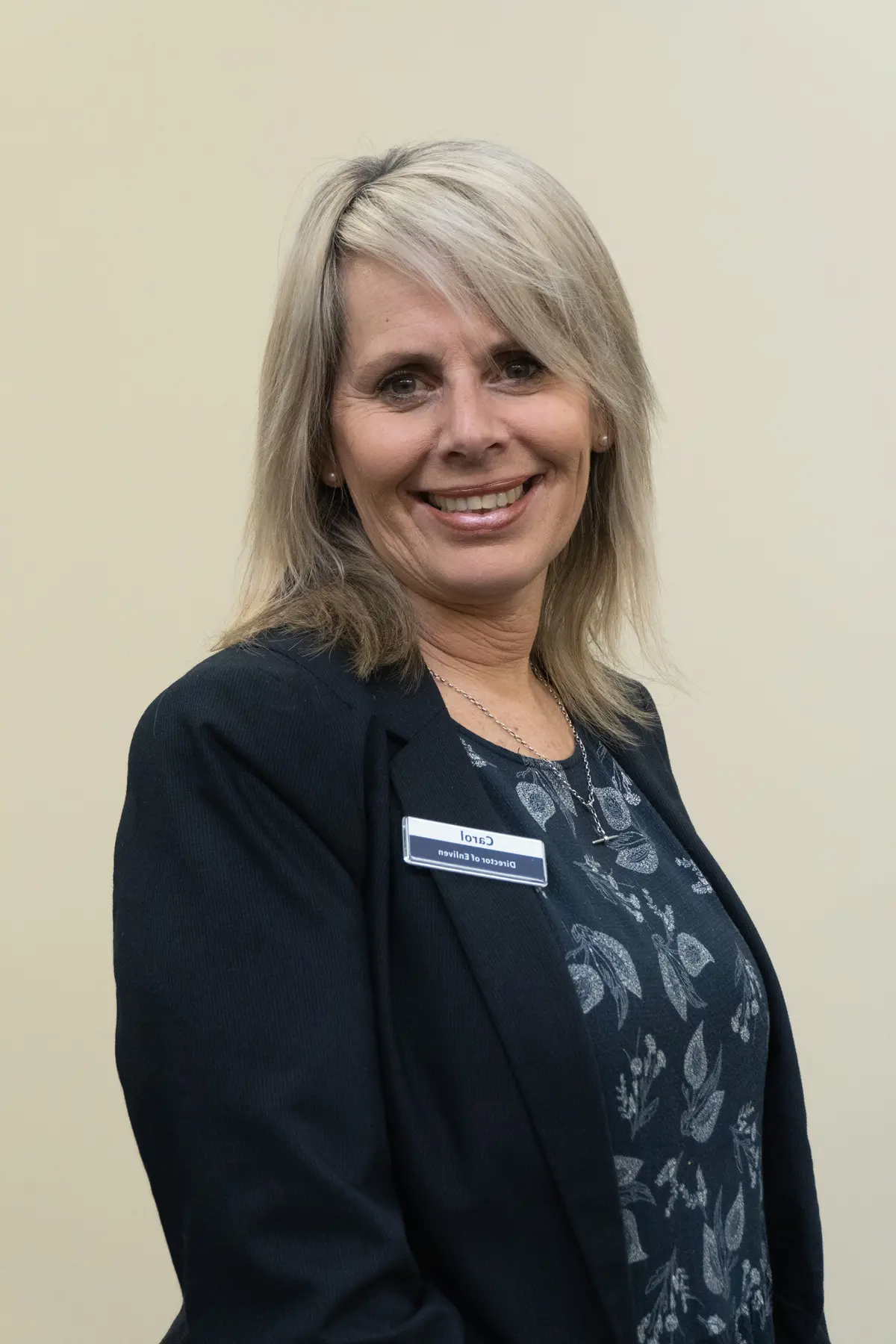
It is time to plan now how to provide for the increasing numbers of people living with dementia, Enliven Southland director Carol Riddle says.
Enliven Southland is the largest provider of dementia care in Southland, providing 20 secure residential care beds. It is the only provider of psychogeriatric beds, catering for 26 people.
Ms Riddle said the increase in the number of people living with dementia was a significant and growing issue.
“People living with dementia, particularly those with complex psychogeriatric needs, are among some of our most vulnerable community members, and their needs require urgent recognition, sustainable funding, and co-ordinated workforce planning.”
Nationally, it was estimated about 83,000 people were living with dementia in 2025.
“That number is projected to rise to about 99,000 by 2030, around 135,000 by 2040, and almost 170,000 by 2050.”
The biggest area of concern was accessing higher level of psychogeriatric care for people who had more complex dementia-related needs.
“These placements are harder to secure, and the impact is felt by residents, whānau and the wider health system.”
Due to a lack of beds, people from Invercargill and surrounding communities were leaving Southland to access the level of specialist care they required in centres as far afield as Christchurch, she said.
Aged Care Association data showed Invercargill had 111 dementia beds and another 20 predicted to be needed by 2038, while 18 beds have been lost through a closure since 2021.
Radius Health’s Clare House has 21 secure dementia care beds.
Chief executive Andrew Peskett said the facility was not always full.
However, he understood the need for more dementia care beds was estimated to grow 100% in the next 10 to 20 years.
“We need to carefully plan the future provision of care homes.”
The group was planning to build 20 new care homes before 2040.
“All of which will have significant dementia offerings so, we're looking to try to help to provide beds to offset that coming shortfall.”
Heritage Lifecare’s Cargill Lifecare and Village does not have any dementia beds available but the group provided dementia care for 360 people throughout the South Island.
A spokesperson said there was a need for greater access to dementia care across the South Island.
“We expect demand for specialised dementia care to continue to grow as New Zealand’s population ages.”
The Aged Care Association launched The Long Drive, a nationwide campaign highlighting what happens when the care an older New Zealander needs is not available close to home last week.
Aged Care Association chief executive Hon Tracey Martin said when someone moved into aged care, the address might change, but their right to care, dignity and connection should not. The Long Drive brought to to life the reality too many families faced travelling long distances to spend time with a husband, wife, parent or grandparent because suitable care is not available close to home.
“No family should have to drive for hours because there is no appropriate care available in their own community,” Ms Martin said.
One of many examples the association knew of concerned an Invercargill woman who spent five years in care in Dunedin without a single visitor after the level of care she needed was not available locally.
Her only support was an elderly sister, who was unable to drive.
“Bus travel was costly and her sister was frightened to make the journey to Dunedin, meaning the woman had no visitors during her five-year stay.”
She has since returned to Invercargill, but her dementia has advanced to the point where she no longer recognised her sister, Ms Martin said.
As the 2026 general election approached, the association is calling on political parties to set out how they will protect access to quality aged care close to home.