
PHOTO

There is rarely a single legitimate voice for any large and diverse group of people. Retirement village residents are no exception.
More than 50,000 New Zealanders live in retirement villages. They come from different backgrounds, have different financial circumstances, different health needs and very different expectations about ageing. It should surprise no-one that they do not all speak with one voice — nor should they be expected to.
Much has been written recently about who represents residents and what residents want. In that debate, it is important to understand who the Retirement Villages’ Residents’ Council is — and, more importantly, what we hear directly from residents themselves.
The council exists because operators recognised the need for a trusted conduit between residents and the sector.
Operators provide funding for the council, but that is where their involvement ends. They have no say in how the council’s budget is spent, who sits on the council or what positions we advocate.
Every council member is a resident, nominated by their village residents’ committee or by fellow residents and all serve as volunteers. Our accountability is to our fellow residents — not to operators.
It is also important to be clear about representation. Some organisations speak on behalf of members — and membership matters.
But speaking for members is not the same as speaking for all residents.
Of the more than 50,000 people living in villages, about 14,000 belong to one residents’ association, and many of those members are family members rather than residents themselves.
That does not invalidate their contribution, but it does underline a simple reality: no single organisation can credibly claim to speak for every resident.
So, what do residents tell us they want?
The answer is more nuanced than a simple demand for their money back.
Residents repeatedly tell us that they love village life. They value the sense of community, safety, social connection and support that villages provide. They want villages to be financially viable and sustainable — not only for themselves, but for future residents as well.
Of course, residents want their capital returned promptly when they leave, and support a mandatory timeframe for repayment. That matters deeply, particularly when people need funds to move on, support a partner, or settle an estate. But residents are also realistic. They understand there is no such thing as a free lunch.
Faster repayments, interest on capital, or changes to fee structures all have costs somewhere in the system.
When residents are asked more than simplistic questions — as we do — many express a willingness to wait, provided there is certainty, a clear limit on that wait and protections in cases of extreme hardship.
What they do not want are changes that undermine the very model they rely on. Residents also tell us something else that is often overlooked: they are not naive and they know they made a deal.
When residents entered their villages — as I did — they received mandatory legal advice and entered into a contract.
Those contracts are not all the same, but they are all binding. Unwinding some 50,000 existing occupation right agreements would be extraordinarily complex, legally risky and likely to have significant flow-on effects for village sustainability, new supply and affordability.
Many residents understand this — sometimes reluctantly — and are cautious about reforms that sound attractive in isolation but could destabilise the sector as a whole.
That is why the council’s approach is deliberately balanced. We have strongly advocated for improvements that matter to residents — clearer contracts, fairer fee arrangements, more timely capital repayment, improved treatment of chattels and better complaints resolution — while also recognising the importance of a stable and sustainable retirement village model.
Residents want dignity, certainty and fairness. They want transparency. They want to be listened to. And they want reform that is practical, proportionate and sustainable.
The debate about retirement villages will and should continue.
But it is not helped by portraying residents as a single, aggrieved bloc, or by suggesting that only one voice has legitimacy. Residents’ views are diverse. They are thoughtful.
And they are capable of holding more than one idea at once: wanting better outcomes, while also wanting villages to thrive.
The council exists to reflect that reality — not to shout the loudest, but to listen carefully, and to ensure the full, nuanced voices of all residents are heard.
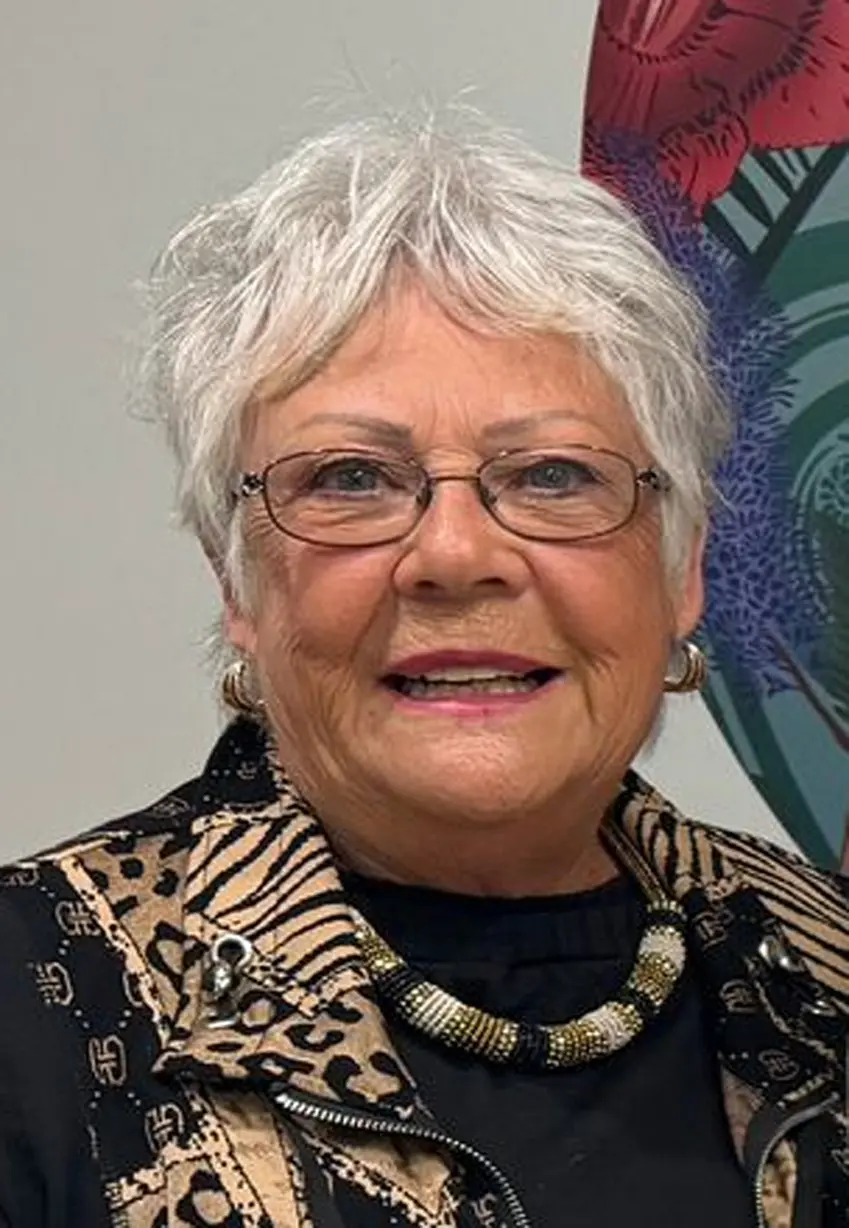
■Carol Shepherd is a spokeswoman for the Retirement Villages’ Residents’ Council