
PHOTO
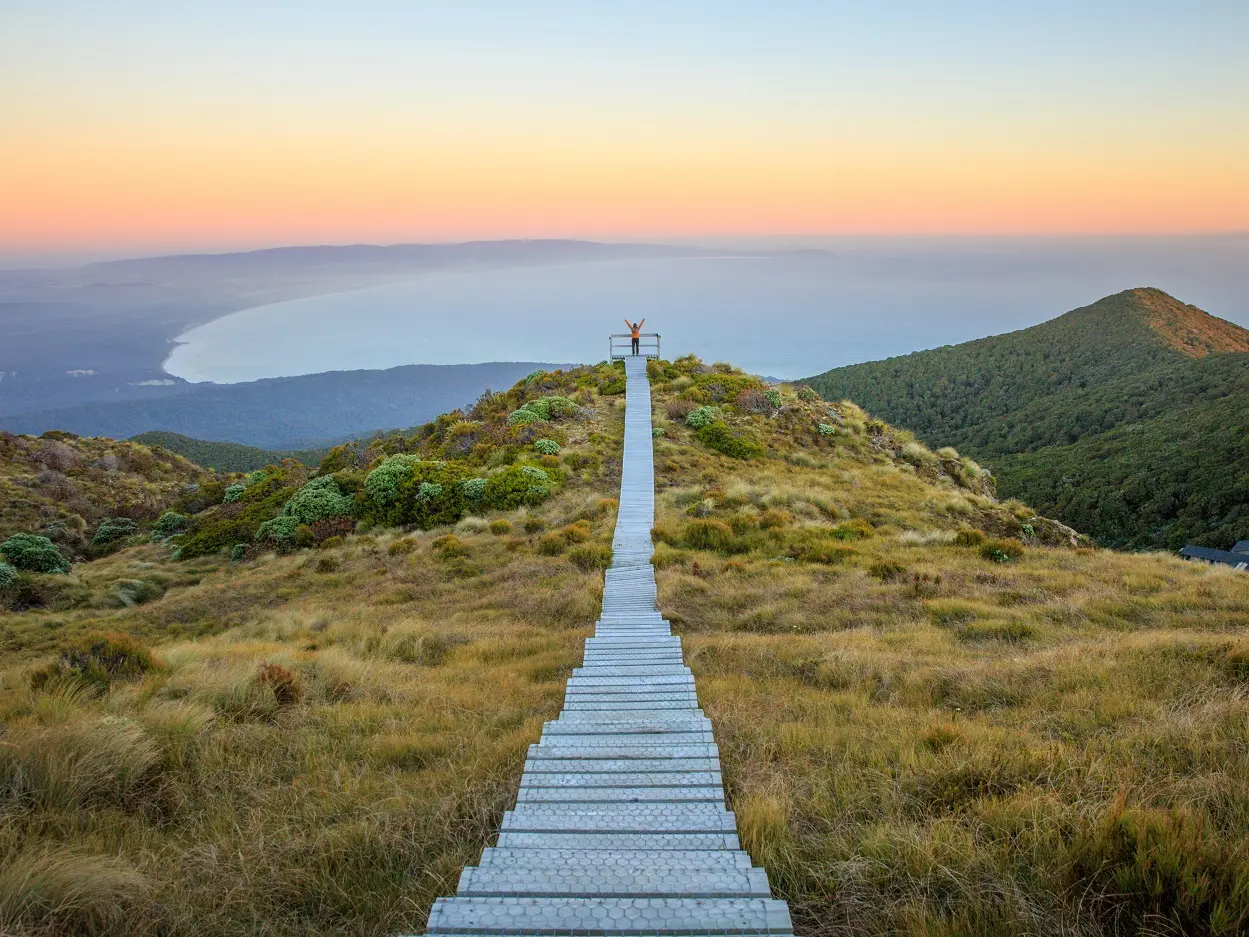
News this month that the Hump Ridge walk has won the race to become the next "Great Walk" is welcome.
Coming on top of the opening of the Paparoa Great Walk on the West Coast on December 1, progress is being made.
There will be those who greet the proliferation with caution, fearing our tracks, huts and conversation estate are being overrun by tourists. As tourist numbers soar, the great outdoors is becoming more crowded and less "great". Backpackers, in particular, swarm into the most scenic and most accessible mountain, bush and beach locations.
The Department of Conservation, however, has a useful concept of front country and back country. While it has been justifiably criticised both for its failings to live up to its own National Park management plans and its excessive sympathy towards some tourist operations and concessionaires, its distinction attempts to capture the best of both worlds.
The idea is that managed pressures can be focused on the likes of the Great Walks, and more isolated places, the back country, can be left in comparative peace.
The demand, at least for now, is strong for tramping among visitors and New Zealanders, and the relative quality and comfort of the Great Walks is challenging enough for most. The tracks might be well prepared and the huts of good quality. But parts of the southern big three - the Milford, Routeburn and Kepler - are steep. They can be seriously dangerous to the ill prepared and unwary in bad weather.
The Doc huts for "freedom walkers", those not on guided trips and using private accommodation, sell out fast. Bookings for Milford's peak summer season opened in June and were full in seconds.
With that sort of interest, it makes sense to offer alternatives.
Enter Hump Ridge, run by a company on behalf of the Tuatapere Hump Ridge Trust. The local community, including Maori land owners who have rights over part of the journey, rallied to create their own great walk with a lower-case g.
Over the years, maintaining and financing the track has not been easy, and annual hiking numbers are in the several thousands rather than the tens of thousands. The track, nevertheless, has been a success and invigorates that corner of Southland and Fiordland.
The track is much longer than the Routeburn, 61km compared to 34km, and more rugged than the 60km Kepler. But it already has much of the infrastructure a Great Walk requires, and the extra $5million promised should allow it to reopen at a sufficient level in 2022.
It has the advantage of not just forest and alpine sections but also coastal strips and the history of the giant viaducts and its sawmilling past. It should, too, be able to operate through much of the winter, whereas the Milford and the Routeburn (to through walkers) have to be closed because of high avalanche danger.
Hump Ridge was lined up against Te Paki Coastal Track in Northland and Marlborough's Queen Charlotte Track as Doc's next priority. Te Paki is likely to be granted Great Walk designation before long, but doubts about the surety of permanent access on parts of Queen Charlotte undercut its case.
The strong support from Southland for Hump Ridge should also be recognised. That was more forthcoming than for Queen Charlotte.
Paparoa is becoming New Zealand's 11th Great Walk. It is 55km and will, when finished, include the Pike29 Memorial Track option. It will be shared with mountain bikers.
That should make Hump Ridge No 12. Eventually, there could be fears the "Great Walk" brand could be diluted by an overabundance. There is, though, quite a distance to walk before that happens.