
PHOTO
It is 14 days since our unpleasant visitor ‘‘re-emerged’’ — and we are still not quite able to slam the door in its face.
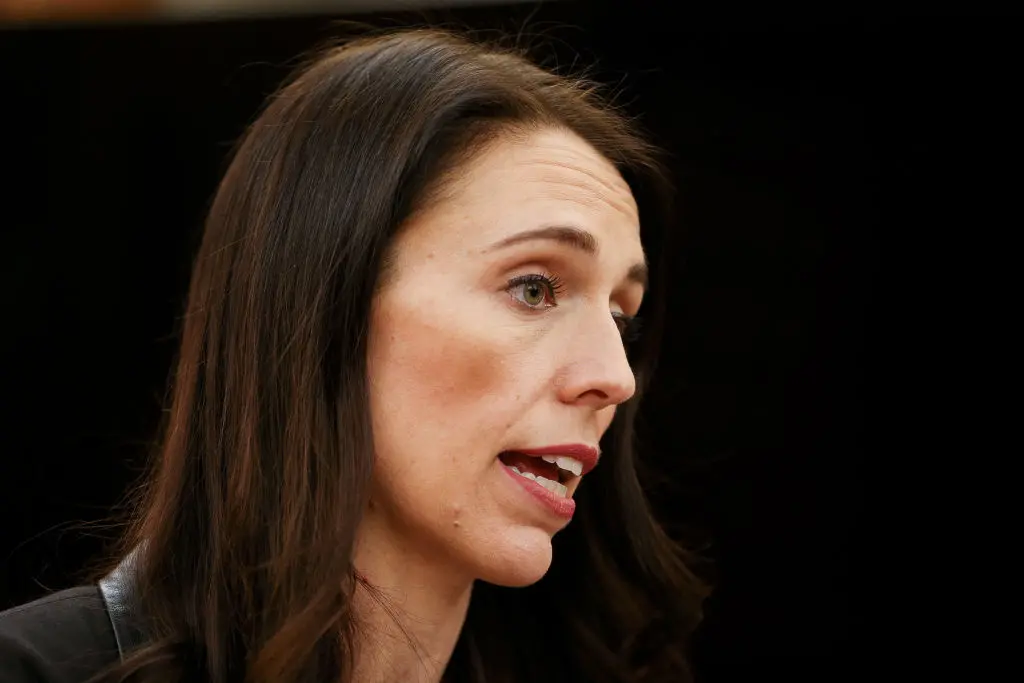
There would doubtless have been a range of emotions in the South yesterday as Prime Minister Jacinda Ardern announced Covid-19 restrictions were to stay in place for nearly another 13 days.
Auckland, the epicentre of the new outbreak that has now formed the biggest cluster since the virus reached these shores, will stay at Level 3 — lockdown lite, as it is known — until Sunday night, at which point the city will move to Level 2.
If the rest of the country was hoping for a return to Level 1, the ‘‘life is basically normal’’ stage that we had embraced so heartily before the latest outbreak, it was to be disappointed.
At Level 2 we will stay until at least September 6. And, in a significant move, the wearing of masks on public transport will become mandatory as of Monday, pleasing the various epidemiologists who have been wanting more firm rules around face coverings for some time.
We share some of the deflation felt by people in the South that restrictions are not going to be eased this week.
Much of our day-to-day living remains ‘‘normal’’ but the cap on numbers at gatherings and the restrictions on the hospitality sector are certainly causing some issues.
Some will have no concerns at all about staying at Level 2 a while longer, especially as it is really Auckland, not areas like the South, facing the biggest challenge, and also considering there were nine new Covid-19 cases yesterday, a big jump from the previous day.
That said, it seems fair, while accepting the Government’s approach to eradicating this virus has largely been effective, to wonder if there was not a solid case to ease non-Auckland regions back to Level 1 this week.
New Zealand’s health response now appears so much more polished, after a few missteps. Testing has ramped up considerably, and the latest Ministry of Health figures — showing 79% of close contacts of Covid cases were identified and isolated within 48 hours of a positive test result — indicate contract tracing is finally at the ‘‘gold standard’’.
The handful of cases outside Auckland are also linked to the cluster, providing a degree of reassurance that the virus is not running rampant again.
Ultimately, Prime Minister Jacinda Ardern and advisers have decided to maintain the foot on the Covid throat, pointing to inter-regional travel as something that is important to maintain the country’s economy but a constant risk of spreading the virus.
The decision to make masks mandatory on public transport has come quite late in this whole process — leading public health academic Prof Michael Baker recommended this as far back as May — and while it is a sensible step, there will be interest in how it will be policed and enforced.
There is still reason to believe New Zealand’s bid to ‘‘eradicate’’ Covid-19 is on track. There is still some goodwill remaining from people who have sacrificed much for the national good.
Patience, however, is not an infinite resource. We cross our fingers a bit more pain will lead to permanent gain.