
PHOTO
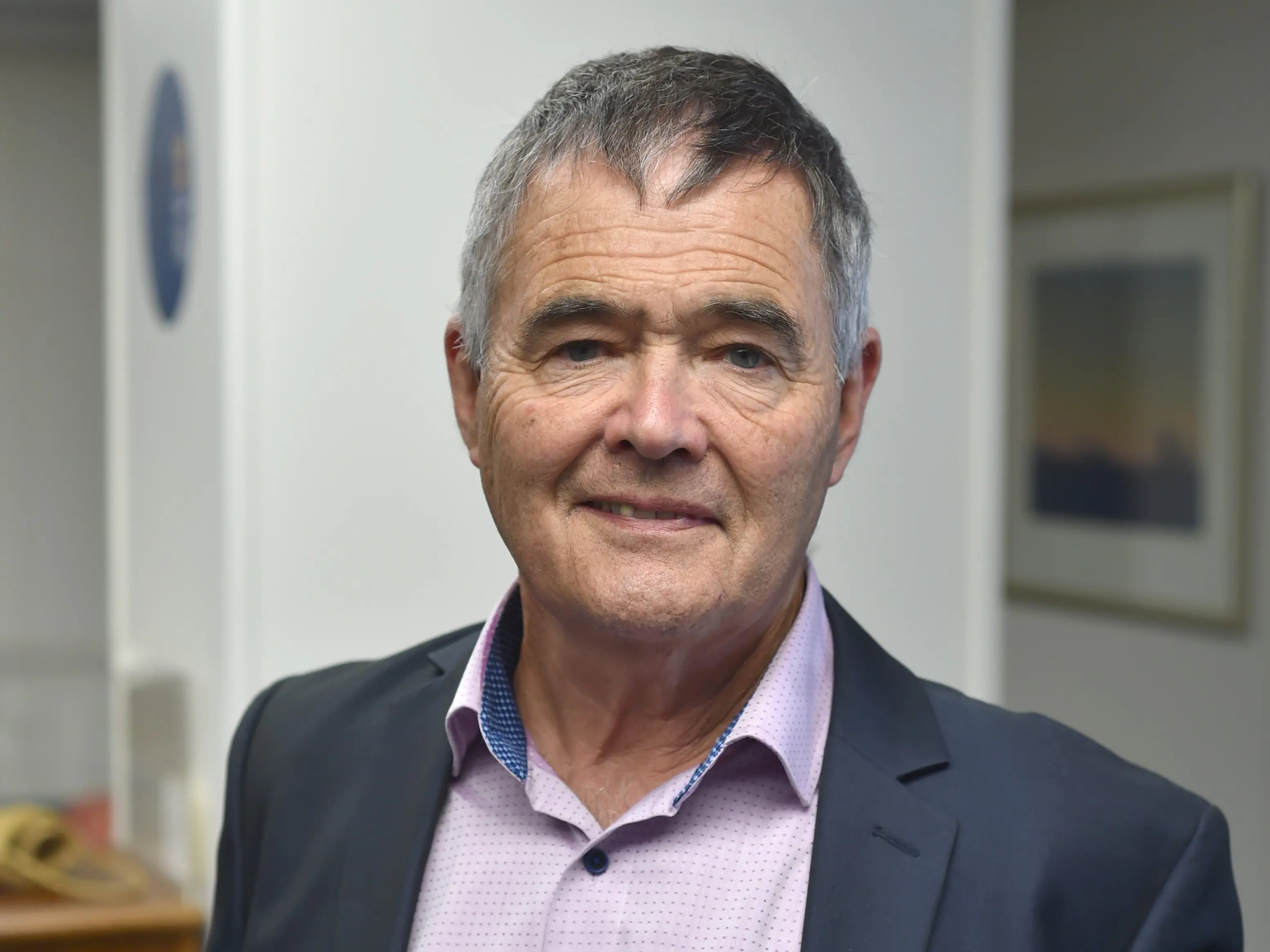
The Dunedin City Council recently voted to declare a climate emergency and accelerate our efforts to become a net carbon zero city - bringing forward the city's target for achieving that goal by 20 years to 2030.
In doing so, we join an increasing number of communities around the world who acknowledge that, without urgent action, the effects of climate change will have catastrophic environmental, health and economic impacts.
These council resolutions didn't happen in a vacuum and shouldn't come as a surprise.
Indeed, the DCC began working some years ago on meeting the challenges of climate change - both reducing emissions and adapting to a changing environment. Some of the actions to date include:
- We've divested our shares in fossil fuel extraction companies and have consistently opposed deep-sea oil and gas exploration in recent years.
- We're investing in and promoting sustainable transport - and it's not just the council making the effort. A recent study revealed Dunedin has the highest electric vehicle ownership rate in New Zealand.
- We have taken short-term adaptation measures in places like South Dunedin, investing in infrastructure improvements, and have budgets in place to work with our community and invest much more.
I spoke at the recent New Zealand Minerals Forum in Dunedin and told the fossil fuel industry why its expansion plans are not welcome here. The positive response to my speech from people all over the country was overwhelming.
And the message we are hearing from our community is that these types of efforts are appreciated, but they don't go far enough. Many people are extremely concerned about what the future holds if we don't do more.
That's been demonstrated in recent months, particularly by young people. The high school student climate strikes and protests at the New Zealand Minerals Forum remind us that these issues are at the forefront of the community's mind.
That's why the council has also agreed to step up our own climate change efforts, by approving additional funding of $1million over two years as part of this year's annual plan.
Some of the funding will be used for the South Dunedin Future project, where we're committed to working with the community to developing long-term adaptation approaches which will help us meet climate challenges across the city, while also improving other things, such as housing, health and wellbeing.
There's also funding to begin the process of re-shaping how we deliver council activities to meet the demands of climate change. Business-as-usual spending, without taking into account the changes that climate poses, could end up wasting millions of dollars. So, when designing a road, for example, we may need to take a different approach so that the road floods instead of adjacent properties.
Looking ahead to 2030, clearly even stronger action will be required if are to meet the net carbon zero goal. We are already on a path to identifying exactly what actions the DCC and the community can take towards reaching the target. The council's job then is enabling individuals, households, businesses and communities to make the changes required.
Taking these steps will enable us to be more innovative and resilient in preparing for and responding to a low-carbon future.
There is often concern expressed that these measures will cost councils and their ratepayers millions, and they will. But equally certain is that without action adapting to climate change, the cost will be much higher, and the longer we delay responding, the higher that cost will be.
Climate change offers not only challenges, but also opportunities to reshape the way we live and how we do business to improve future outcomes for all.
We're committed to things really changing so that the future is something to be anticipated, not feared. Our children's and grandchildren's futures are in our hands.