
PHOTO
In an opinion page article (ODT, 13.12.17) entitled "Society’s view of sex must change" columnist Cynthia Allen put forward the argument that "Cheap, unattached sex is partly to blame for the sexual harassment and assault crisis". In this column women are, once again, the problem. She suggests that "female sexual freedom" has arguably given men greater licence. But, we need to ask, when have powerful men (like Harvey Weinstein) not "had licence"?
Ms Allen’s argument ignores a long history of the power men have exercised over women and their sexual lives. Men of a certain class often took liberties with maidservants, for example. Between 1741 and 1760, 16,282 babies were left at the Foundling Hospital in London because their unwed mothers had no means of support.
Anyone who is watching Margaret Atwood’s Alias Grace on Netflix at present has a powerful fictional reminder of the way domestic servants were free game for powerful men in the 19th century.
If a factual account is needed, one has only to turn to the pages of our National Library’s digitised newspaper database, Papers Past, and look under the heading of "Concealment of Birth" or "Infanticide" to find the lengths pregnant domestic servants had to go to in order to maintain their posts.
In Freeman’s Bay, Auckland, in 1861, for example, 20-year-old governess Edith Hewlett gave birth alone, wrapped the dead baby in canvas and placed the bundle in a box in her room. She was found guilty of concealment of birth and no inquiry was made as to whom the father might have been.
So pervasive was the sense of male entitlement that it was women victims who were cross-examined about their sexual histories when they dared to bring a rape charge before male judges. A 1964 training manual for police detectives advised that rape complaints were likely to be false, an indication of the culture of a police force at the time where officers felt free to harass the few women staff (only about 7% in 1990).
In the early 1970s, women were regarded to be "provocateurs"; they had to be careful how they dressed and where they went if they were to avoid unwanted advances from men. It was only when women took up the issues of domestic and sexual violence in Parliament that it began to be taken seriously. Women outside Parliament organised "take back the night" marches and Rape Crisis centres in order to assist those who had had little support from the police when they wanted to press charges.
And slowly women were admitted to the bench: Augusta Wallace became the first female District Court judge in 1975. In 1983, Minister of Justice Jim McLay, requested a study of rape law and procedure. Various victims were interviewed for the study and many of them reported that pursuing the matter through the courts amounted, in effect, to a further violation. Anyone who has read Louise Nicholas’ harrowing story will be aware of the difficulty of obtaining justice in rape cases where powerful men are involved.
Sex had long been regarded as a male prerogative and there was an expectation that women provided that service within marriage, leading to spousal immunity from rape charges. In 1965, a woman psychologist advised New Zealand women in the pages of Truth, that their "true work in this world is that of self-sacrificing devotion as a wife to the cause of sexual harmony with her husband". Two decades later, women’s right to bodily integrity was finally recognised and spousal immunity from the charge of rape within marriage was overturned in 1985.
Even in the 1990s, some judges were challenged by the expectation that sex should be consensual. In 1996, for example, in his summing up for the jury a judge said "if every man stopped the first time a woman said ‘No’, the world would be a much less exciting place to live" (Quaintance 1996). In a sign of the changed times, even the Chief Justice (along with women lawyers’ associations) was moved to criticise the judge.
An acquaintance with history shows us it is not "cheap, unattached sex" that has led to the current sexual harassment and assault crisis; rather it is an expectation of powerful men that women’s bodies are there for the touching. Let’s no longer blame the victims but emphasise that respect and consent are core elements of all satisfying interpersonal relationships.
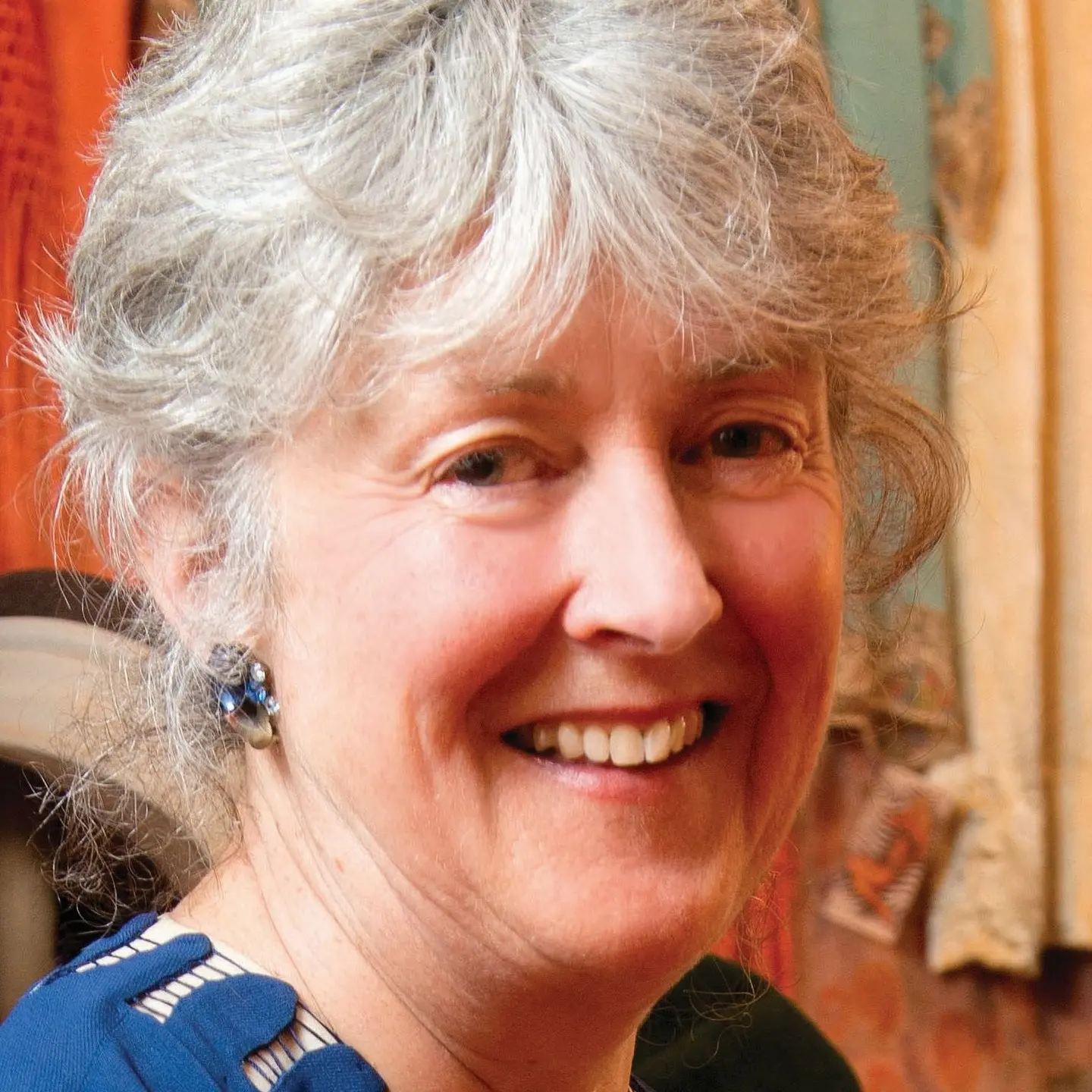
- Barbara Brookes is a professor of history at the University of Otago and author of A History of New Zealand Women (Bridget Williams Books, 2016), awarded the 2017 Ockham prize for best illustrated non-fiction.