

Train tripping makes no economic sense
The Mainlander train service (ODT 21.1.25) should serve as a timely reminder to those train tragics out there pining for a return of passenger rail that it is never going to be viable.
That the trip from Christchurch to Dunedin took almost eight hours and cost almost as much as flying says it all. Factoring in at least another hour getting to and from the station at each end on top of that, at further cost, compared with 4½ hours door to door by private car, there is no way rail will ever be competitive with private cars either in time, sheer convenience, freedom from timetables or cost.
It needs to be remembered why passenger rail in the south ended in the early 2000s — simply too few wanted to use it. Since then private car ownership has become even more ubiquitous.
A return of passenger rail to the south will inevitably involve taxpayer subsidies. The daily Te Huia rail service between two of New Zealand’s largest cities, Auckland and Hamilton, is for instance currently being subsidised by NZ Transport Agency to the tune of more than $80 per passenger trip, all to keep a handful of private cars off the Waikato Expressway and the Auckland Southern Motorway. It makes no economic sense.
Night skies
It is such a shame Otago's night sky is ruined, desecrated, sacrificed for transient gold lining only the pockets of the wealthiest people. Everyone else suffers losing their health and well-being. And losing their heritage. Don't think once lost the night sky can be recovered. It cannot.
Dunedin's night sky is dead; Dunedin is disqualified from being Aotearoa's wildlife capital because her nocturnal wildlife is harmed by rampant light pollution, and consequently is endangered. It's the height of hypocrisy to assert otherwise.
The notion of a dark-sky nation or country is dead in the water — all sacrificed for sustainability, ie business sustainability, not life sustainability.
"Sustainability" means nothing any more; it's a meaningless buzzword bandied about like confetti. Everything is geared to business sustainability but this stratagem is doomed to failure because it neglects people, wildlife and their environment.
One should not have to travel to rural areas to see the Milky Way. It should be on your doorstep as Nature intended.
He’s their problem
Your editorial on President Trump’s toxic trails (14.1.26) was not only spot on but very courageous. However your headline was wrong. He’s not anyone’s president except US citizens’, thank God. Courageous, because you won’t get a visa to enter the great Satan’s den, as if that should worry you.
Times two
Perhaps the Dunedin City Council should have two by-elections? One for Jules Radich's replacement and one for Benedict Ong.
Fairy tales
I totally agree with Jeff Dickie (Letters 19.1.26). I have never known anyone personally killed in an earthquake, but do know a number of fatal road crash victims.
The DCC should encourage the preservation of heritage buildings without the imposition of unnecessary earthquake strengthening costs. Maybe it’s time for the council and government to revisit the tale of Henry Penny or Chicken Licken?
Stop blaming the commercial fishing industry
I am strongly in favour of working to save the yellow-eyed penguin but the commercial fishing industry is, I believe, wrongly accused for the decline of these and other threatened species.
Prior to the introduction of individual transferable quota in 1986 it was almost a free-for-all and the number of boats fishing off the Otago coast was high. Anyone with a licence to fish could catch whatever they could.
My father was one of those and there were anything up to 10 times the number of boats as now. Bottom trawling, long lining and cray fishing were among other methods, with no limits. Yet the penguins and dolphins survived and thrived.
So is it fair to blame the now small commercial fishing fleet for depleting the food supply? The methods have not changed greatly. Bigger boats perhaps but less of them.
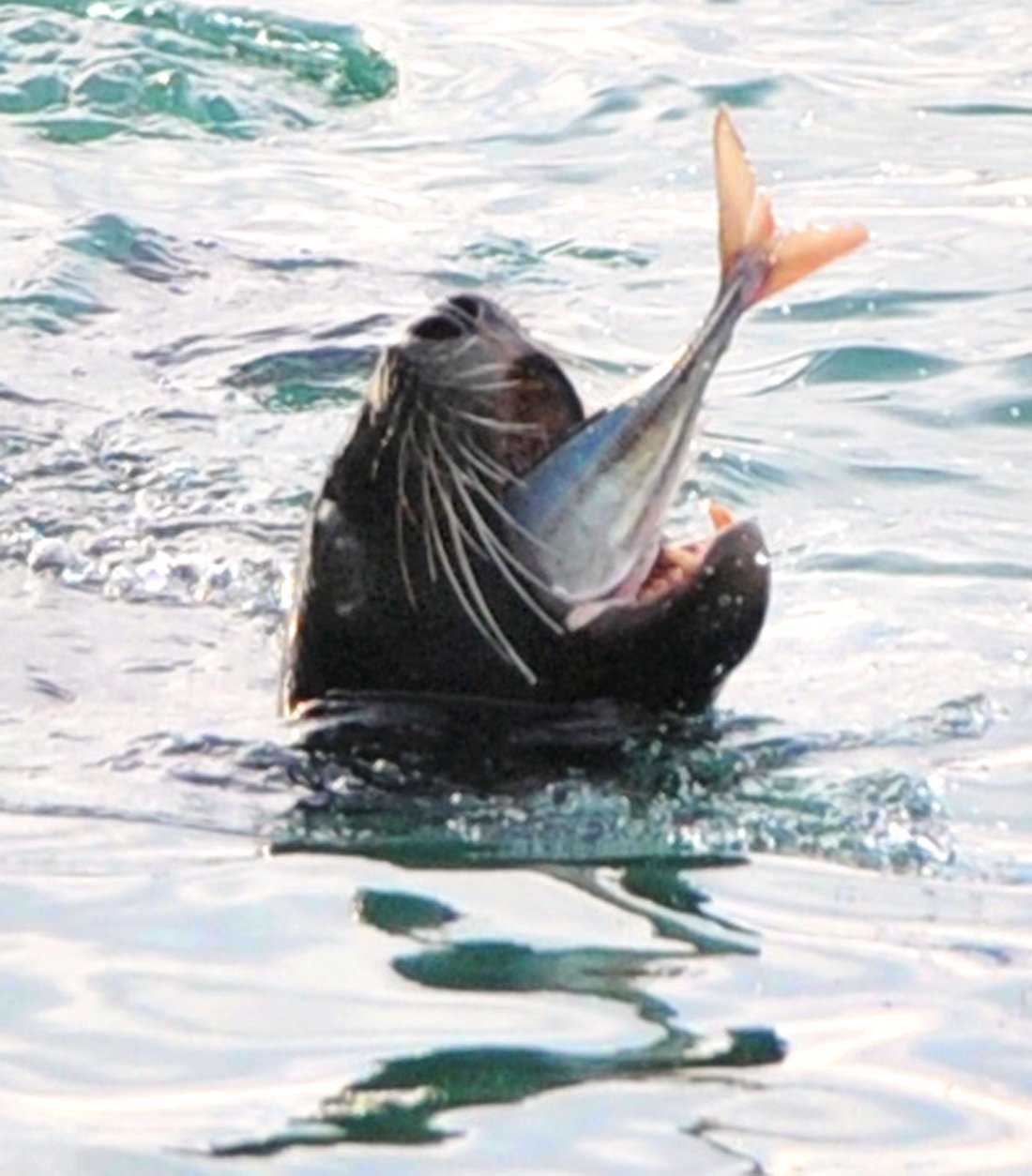
Earlier last week I counted 67 sea lions in a small area of beach adjacent to the Tavora Reserve. That’s just what I could see and there were doubtless more. They all need food and must play a big part in competing with penguins for food.
Commercial fishing is important to Otago, yet there seems to be a vendetta against them.
Address Letters to the Editor to: Otago Daily Times, PO Box 517, 52-56 Lower Stuart St, Dunedin. Email: letters@odt.co.nz


