
PHOTO
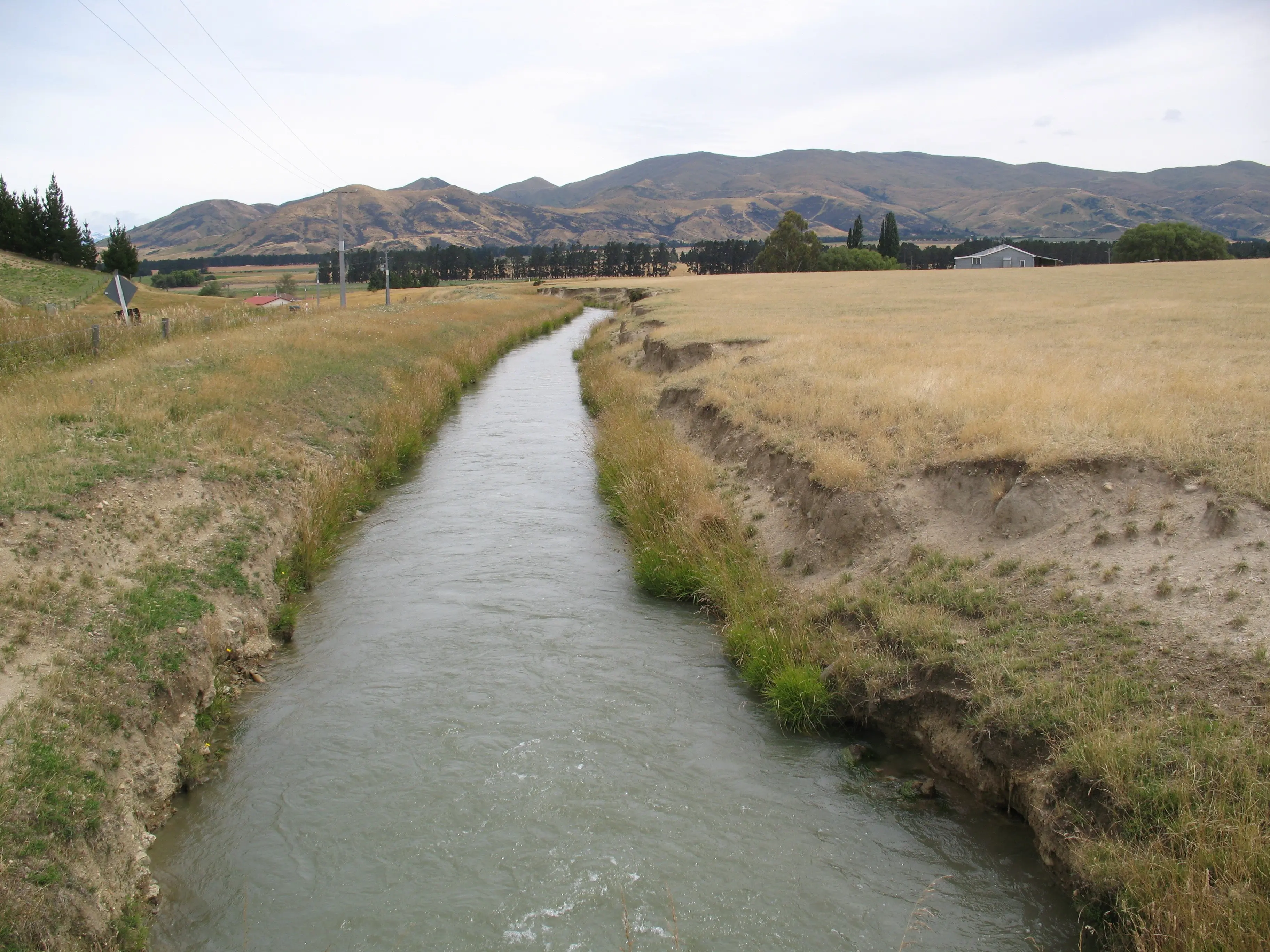
The recent interest in Otago's historical mining privileges as old as 1862 may be because of losing their unique status by October 1, 2021 under the Resource Management Act (RMA). With less than two years left for the renewals, is it too late for an orderly consent process?
Proactive early actions and co-operation between all parties involved are essential, the most critical being from the mining privilege holders themselves. This is because mining privileges are mostly catchment-based and the water takes can only be exercised by priorities and the co-operation between the holders.
An excellent model for collaboration and co-operation has been the Sowburn Water Company Ltd, which was able to renew mining privileges well before the expiry rush.
Under section 124 of the RMA, renewal applications must be lodged before April 1, 2021 to remain exercising or before July 1, 2021 to exercise with the permission of the Otago Regional Council (ORC). Applications lodged within the last three months before the expiry are at risk of not being exercised or losing the status altogether, if not granted before October 1, 2021.
If the application is found to be deficient, under section 88 of the RMA the ORC can reject the application, requiring relodging. Consequently, leaving the lodging to the last minute can be problematic, with the potential of losing the historical water rights altogether.
Given the heavily allocated status of many Otago waterways, even if the applications are submitted properly and on time, there is no guarantee of retaining the full historical status.
The evidence of water use, ideally water meter records is critical for renewing water takes. The Resource Management (Measurement and Reporting of Water Takes) Regulations came into effect on November 10, 2010 and by now water meters should have been installed on all consumptive takes of more than 5litres/second. Water rights not exercised will lapse within five years of the granting. Water rights seldom exercised can be cancelled if not exercised within the five preceding years.
Mining privileges also comprise legal permits (s417 certificates) for water races, tail races, by-washers and dams. Mining privilege holders will hold relevant rights of owning and maintaining water races or dams regardless of the property ownerships of the land parcel within which they are located. Ironically, while the water permits under the mining privileges expire in October 2021, the mining privileges associated with the water races are in perpetuity. Central government needs to tidy up the RMA provisions relevant to mining privileges at least by October 2021 to avoid confusion.
Typically, the network of water races in Otago could range from several hundred metres to many tens of kilometres. Most old water races are leaky. A water race carrying 250litres/second water may leak more than 2000cum a day at the lowest seepage level of 10%. The worst known cases are up to 30% of water loss. On average 20% of water is lost through water race seepage in the major irrigation networks in Otago.
Many years of extensive water seepages from leaky races have apparently formed "new" habitats (for example wetlands and springs), particularly in the Central Otago area. Should water use efficiency be promoted to improve water availability for irrigation or the "new" habitats be protected at the cost of resource wastage? In granting a priority renewal, the ORC must consider the following under s124B(4) of the RMA: "(a) the efficiency of the person's use of the resource; and (b) the use of industry good practice by the person ..." Reducing water wastage (e.g. piping water or using synthetic lining in water races) will improve water availability, which could lead to the disappearance of the newly formed habitats.
Retaking the runoff irrigation water for irrigation, a common practice under the mining privileges, has been a consequence of flood irrigation. Increasing use of high efficiency irrigation systems such as K-lines and centre pivots could improve water use, thereby reducing runoff. If so, many such retakes are in danger of being the thing of the past. Is there an opportunity for water to be shared between the upstream users and the downstream re-takers?
Setting minimum flows in mining privilege catchments after October 2021 is not ideal but not fatal. While the Kakanui River, Shag River and Taieri River had been overallocated, the minimum flows were set well after the allocations, similar to many other major waterways in New Zealand.
The ORC must make rapid progress in setting sensible minimum flows, with sustained collaboration with the water users, local community and other stakeholders. In the meantime, through pre-application process, the ORC must assist the mining privilege holders in timely, quality and collaborative renewal process.
After according three decades of opportunity, central government is unlikely to entertain any time extension for the renewals. Energy and efforts are better dedicated lodging renewals, ideally before the end of 2020.
- Selva Selvarajah is the founder of Enviroknowledge Ltd