
PHOTO
Central Otago is a land of contrasts.
Bitterly cold winters and blazing hot summers, rushing rivers powering the nation and parched brown hills above.
The contrast between the region's booming agricultural sector and the declining numbers needed to work those farms is also changing its character.
The Maniototo/Māniatoto was born from the gold rush. Towns like Naseby swelled to a population of about 4000 miners.
When the miners moved on, farmers moved in.
Maniototo County was still home to about 3000 people in the early 1930s, but the population had almost halved by the 2010s.
John McMillan, who has worked on farms around Ranfurly since he was 15 years old, says the dwindling population is the reality of a boom in agricultural productivity.
"The farms have got bigger and, with mechanisation, you need less people, so we have lost a lot of kids at schools," he says. "Ranfurly is probably an ageing town."
Dairy farming did not exist in the area, when McMillan started farming.
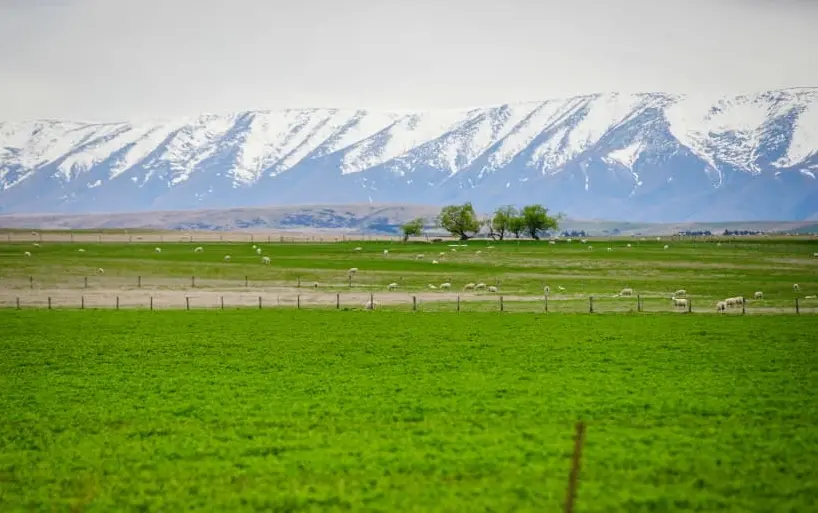
The growth of stock units and fewer people managing them has resulted in a loss of community, McMillan says.
"When I went to school at the Maniototo Area School, we had enough boys in the house teams to have four XV-a-side house rugby teams," he says. "Now [the school] wouldn't be able to put a seven-a-side team out.
"We have a lot of workers who come in that probably don't even come into Ranfurly."
McMillan acknowledges there are no easy solutions and says the political promises of the election campaign ring hollow.
"It's like fairy dust being thrown at people," he says. "It's too easy to give this money away."
'Everyone is out promising a whole lot of s*** that they never deliver on'
Chip Duncan farms near St Bathans, about 30 minutes drive from Ranfurly.
"The thing about elections is everyone is out promising a whole lot of s*** that they never deliver on anyway, so it just doesn't impress me a great deal," he says.
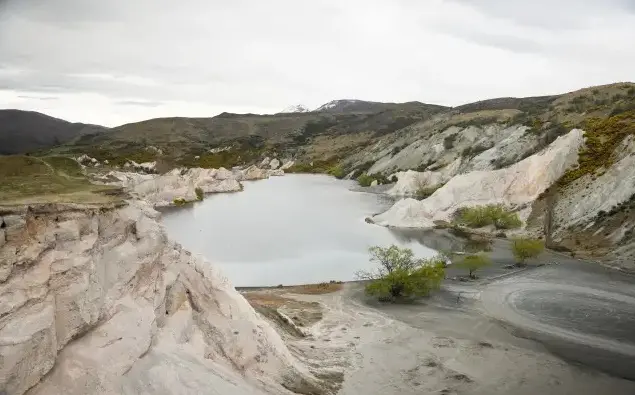
Duncan is suspicious of what political change could mean for farmers.
"The last year has been pretty good," he says. "It just all depends on if we get a new government, things will change pretty quick.
"There's a whole lot of garbage on one side of it. It's about making money and keeping it really."
Farmers are a big part of the reason why Central Otago is true-blue National country.
National's political dominance in the area even predates the party itself.
United Party member and lawyer William Bodkin was elected as Central Otago's first MP in 1928.
Bodkin brought the seat under the National banner in 1936, when it was formed by the United and Reform parties merger. The seat and its successors have been with National ever since, apart from one-off Labour victories in 1972 and 2002.
Central Otago also cannot escape the cost-of-living crisis.
"Fertiliser, fuel, everything goes up," Duncan says. "As soon as Trumpy stops bombing Iran, we'll be a lot happier."
Pub turns oven off every second day to keep 'astronomical' costs down
Tourism is another big Central Otago industry, with the Otago Central Rail Trail weaving its way along the former rail-line from Middlemarch to Clyde.
The rising cost of fuel is also hurting that sector, with Naseby's Nelson Ede saying the sting is even being felt at the historic town's indoor curling rink.
"The cost of living and fuel prices are having an impact on people travelling, and having that discretionary spend," Ede says. "Just yesterday, we had a significant booking cancel, because of the cost of getting here."
Chatto Creek Tavern is less than an hour's drive from some of New Zealand's biggest hydro power stations, but pub owner Fiona Sutherland says that does not mean affordable or reliable power for nearby homes and businesses.
"The money that this power is costing us is just astronomical," she says. "The petrol, that cost is astronomical.
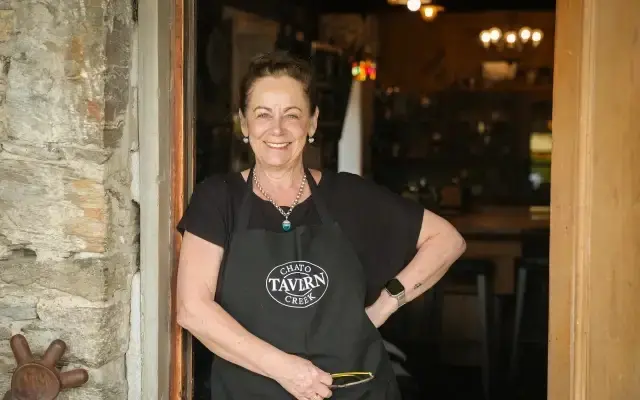
"The food costs are astronomical. It's hard."
Sutherland recently received a power bill of almost $2000.
"I only turn the oven on every second day," she says. "I will make the baking deliberately so I'm not using the oven, because that's a waste of power.
"We're really conscious of what we do."
'They haven't run a gold mine before'
Ophir is another Central Otago gold rush boomtown.
About 1000 people lived there during its height, but now only about 50 call Ophir home, along with a part-time holiday-home population of 'cribees'.
Despite its gold mining history, Santana Minerals' proposal to dig a 200-metre deep, 80-hectare hole in the hills between Bendigo and Ophir to extract billions of dollars worth of gold is generating a mixed response.
Ophir's Spike Broadbent does not support the project, but has been heartened by the Fast-track consenting process.
"I'm not convinced Santana know what they are doing," he says. "They haven't run a goldmine before.
"There are a lot of questions they need to answer."
Cribee Jim Columb says OceanaGold's mine further east at Macraes shows there can be economic and environmental benefits for mining towns.
"I think they will look back in 20 years and go 'what was all the fuss about?'."
Pitches Store owner Colleen Hurd is less convinced.
"I don't like what's happening to the land, but I think it will go ahead," she says.
Back in Ranfurly, McMillan says the mine will bring much-needed young people and jobs to Central Otago.
The future of the area relies on new industry and more families, with sport again providing a vivid illustration of the Maniototo's woes.
"Ranfurly is strong in bowling, older people, but Naseby is struggling," McMillan says, "Patearoa is struggling.
"If you're struggling for bowling teams, when we're an ageing community, you've got problems."
