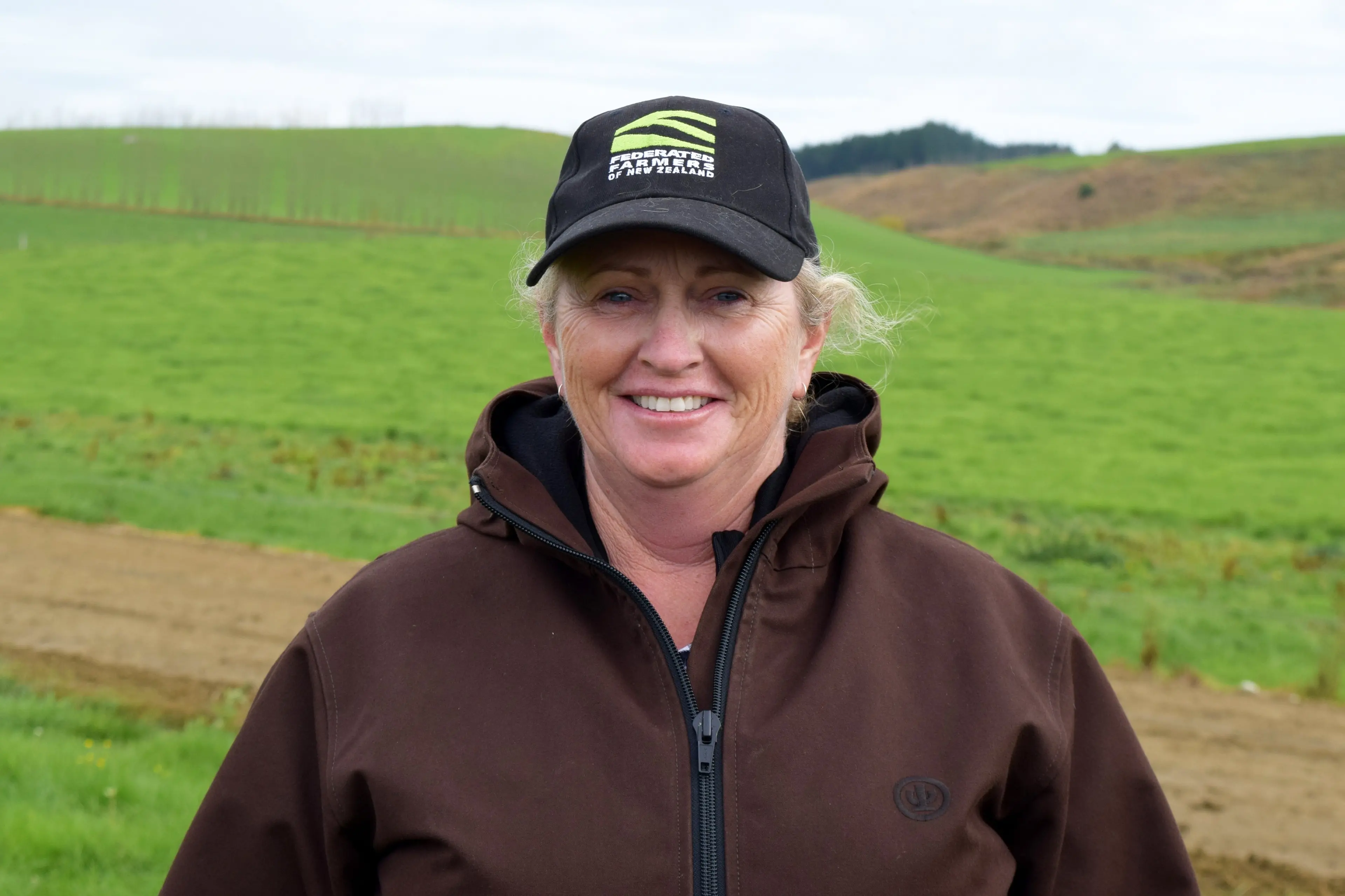
Federated Farmers has called for Otago’s district councils to stand up and fight for their communities now, or risk being swallowed up by a ‘”super council”. “We’re stoked that Central Otago District Council (CODC) has shown strong leadership on this at their meeting this week,” the Federated Farmers Otago president Anna Gillespie said in a statement. Clutha and Central Otago have decided to go in together, while Queenstown-Lakes and Dunedin would meet today to discuss their futures. Ms Gillespie said the government had been clear if a region’s councils failed to propose more streamlined and efficient structures, the government would do it for them. “You’re either at the table, or you’re on the menu. “Better to put in a proposal you can live with. “You could liken it to ordering something on a restaurant menu you know will satisfy you, versus settling for the ‘chef’s surprise’ and getting something you loathe.” It would be a huge step backwards for council services and rural representation if the two other councils did not step up as well, Ms Gillespie said. “The risk otherwise is that Dunedin City Council will enter plans for a whole-of-Otago unitary council, and the government will gleefully seize it. “That would mean the voice of rural towns and communities will be drowned out by the city majority at the decision-making table.” It was still murky exactly how the government’s “backstop” process would work for those councils that did not table plans by Sunday, Ms Gillespie said. Federated Farmers’ view was that for Otago – and other parts of New Zealand – new, larger unitary councils should be separated along metropolitan (cities of around 50,000-plus) and provincial lines, she said. “The needs and priorities of a large urban area are very different from those out in the rural hinterland.” There was a clear rationale for Dunedin City to be a unitary council on its own. “It’s New Zealand’s seventh-largest urban area, with a long list of urban-focused challenges and opportunities. The Central Otago proposal included an option for the new combined unitary council to also take in the Waihemo Ward of Waitaki District and rural parts of Dunedin City, including Middlemarch and the Taieri catchment, should they wish to join. Queenstown, with its rapidly expanding residential area and tourism pressures, sat a little uneasily in the proposed re-organisation, she said. “But tools such as targeted rates, and perhaps a Queenstown Community Council with delegated responsibilities and a separate budget, can be used. “Queenstown Lakes also has a strong case for extra support from central government to cope with tourism growth pains.” In a letter to the Dunedin City Council, Te Rūnanga o Ngāi Tahu and Papatipu Rūnanga gave considerable thought to the reforms. The letter said the reforms presented a once-in-a-generation opportunity to modernise the 1989 local government system and design governance fit for the future of South Island communities. Ngāi Tahu strongly supported all regions within their takiwā submitting a compliant Head Start proposal by 9 August, acknowledging the tight timeframe. Principles that it believed should help guide the development of Head Start proposals were: local government boundaries should align with the Ngāi Tahu takiwā boundary; river catchments should be the primary determinant of unitary council boundaries within the Ngāi Tahu takiwā; the creation of a joint takiwā/ South Island “centre of expertise” entity should be established to provide shared back-office and specialist functions on behalf of new unitary councils.