
PHOTO
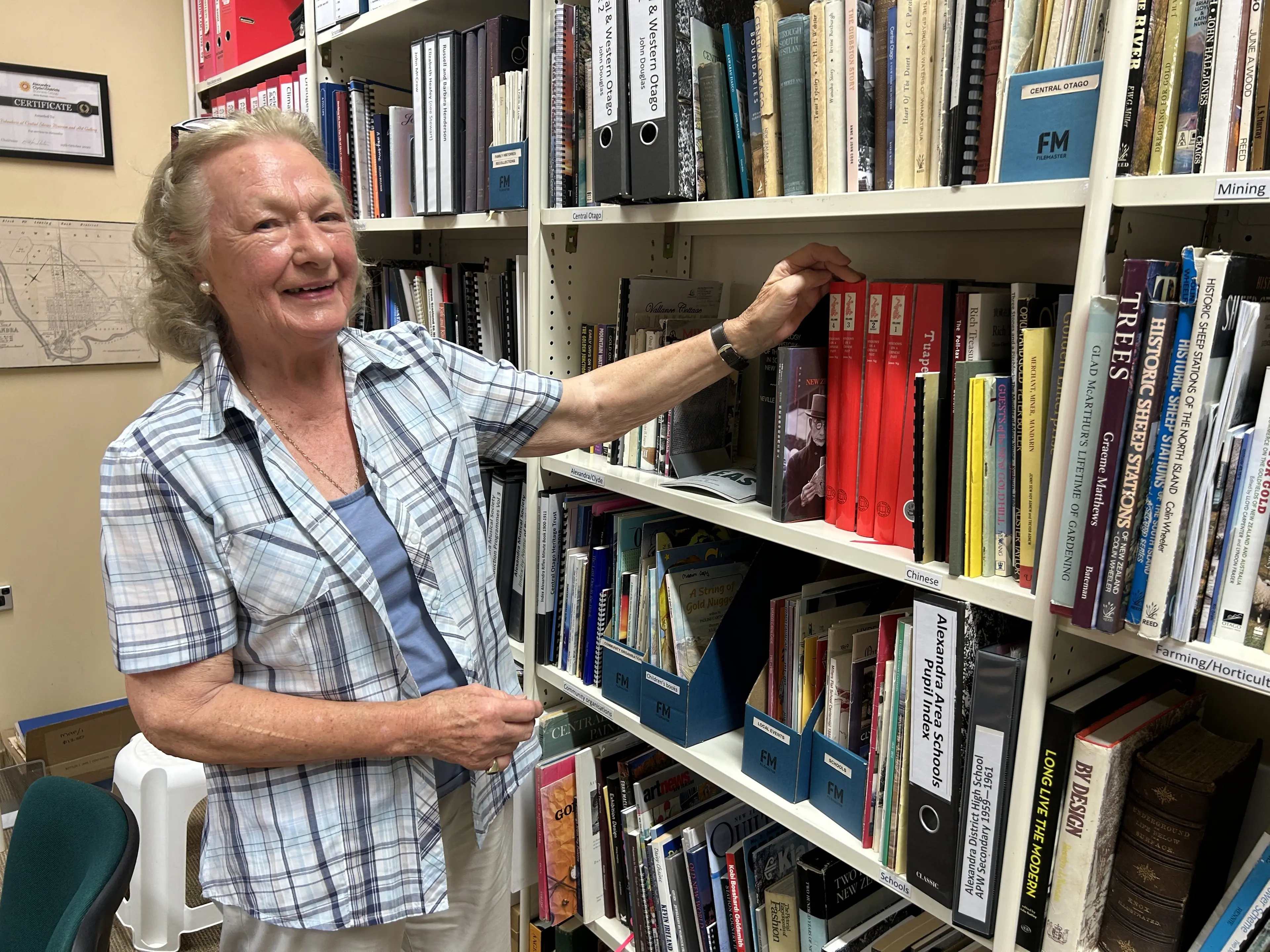
It's a long way from being a "bloody foreigner" to an institution’s patron but, like much in her life, an Alexandra woman has taken the journey with humour and determination.
Helena Heydelaar has been appointed patron of Central Stories Museum and Art Gallery in recognition of her decades of tireless work to help create the esteemed venue the museum has become.
Former Alexandra District Museum chairwoman Kathi McLean said Mrs Heydelaar’s history with the museum went back to the original building in Thomson St.
"Why wouldn’t we have asked her? She should have been our first choice."
Mrs Heydelaar’s passion for the museum and willingness to support it, from selling museum books at summer markets to working without pay in the early days when money ran out, made her a logical choice, Ms McLean said.
Current chairwoman Mary Ann Baxter said Mrs Heydelaar had been a very loyal, passionate and long-serving board and committee member.
"Her memory is another asset for those of us who are newer to the committee in terms of gaps we might otherwise have and her ability to tell ‘our stories’ with such passion and human interest is something we all treasure."
Mrs Heydelaar, originally from Rotterdam in the Netherlands, recalled the Alexandra museum when she and her late husband, Rob, first arrived in the town in 1986.
They had worked for on cruise ships before moving to New Zealand and worked in hotels in Te Anau and Northland before returning to Europe. After a short time they decided to move back to New Zealand.
There were two things the couple always did when arriving in a new country or town.
"Rob and I always did, even when we were at sea — if you want to know the social history of a country, go to the museum.
"Then you know the background. Or buy a paper.
"That’s what we always did as well."
In 1986, the museum was open from 2pm to 4pm on weekdays and was closed at weekends.
Keen to find out about Alexandra’s history, Mrs Heydelaar asked why so many items were in boxes and not on display.
"I came from outside and this was a whole new world to explore. There were lots of things in boxes here and there. I said ‘get it out, open up your museum five days a week, seven days a week’."
She began volunteering and fundraising, a crucial part of the operation.
"There was no money. If we needed something at the museum, you bought your own pencils, Biros, everything you needed. We bought it ourselves. There was a little box for donations and that was it."
Her enthusiasm was not universally welcomed, some thinking she should not be involved with the museum as a "bloody foreigner".
She can laugh about it now, but when she eventually was employed at the museum and funding ran out, she carried on working without payment.
"Because we knew that the museum could expand. There’s a lot of things you can do with your museum. Tell everyone, the local people as well, what the museum is. It’s your background. It’s your history. And if you do not recognise it, what about your future? It’s part of it."