PHOTO
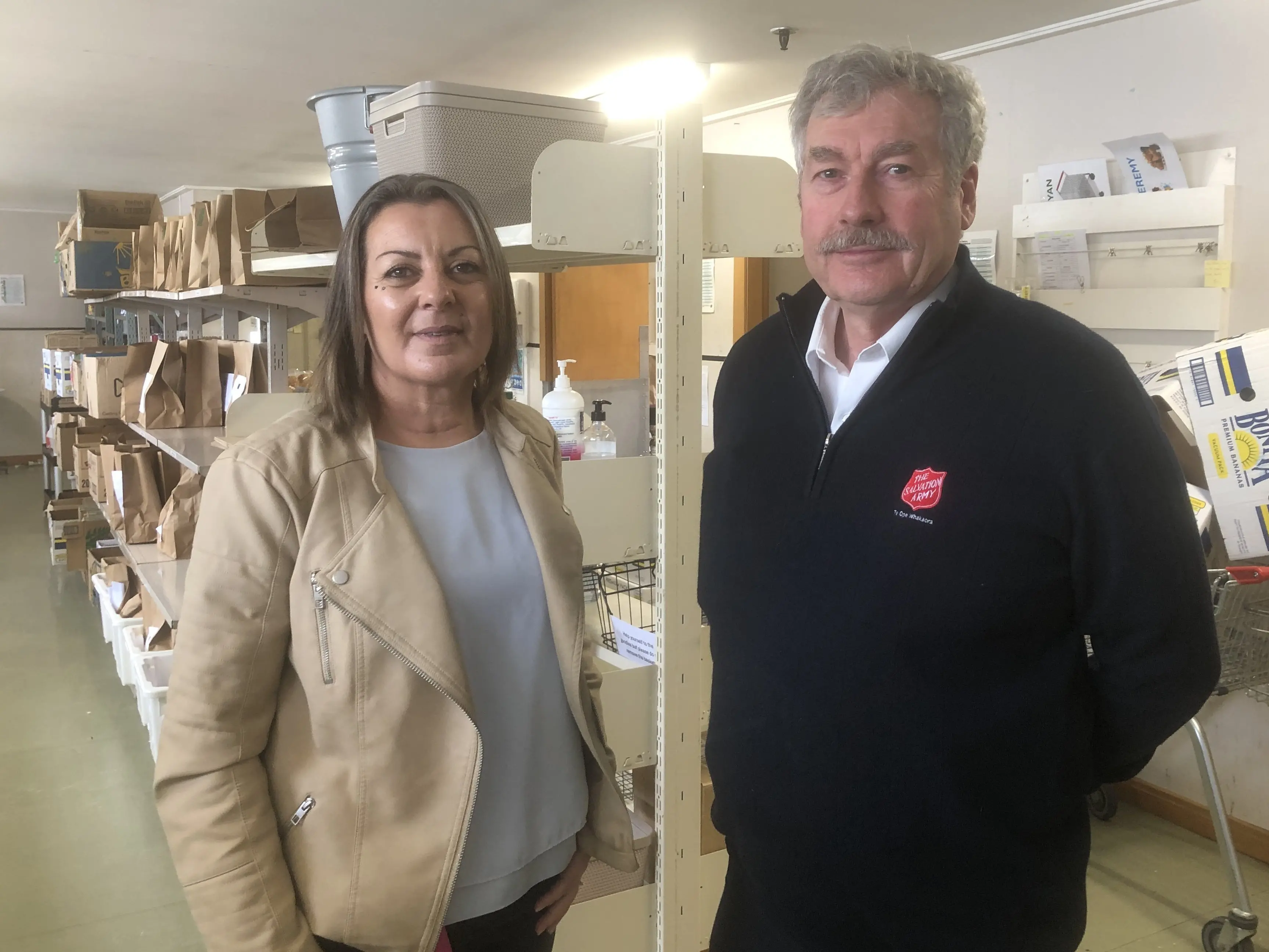
New powers allowing police to move homeless people out of public spaces will just take the issue "out of sight", a Southland social service agency says.
But two of the region’s mayors have not shown the same concern, questioning whether the change would impact their patch.
On Sunday, the government announced it would give police greater power to issue "move-on orders" to address disorderly behaviour in public.
The powers also apply to all forms of begging and rough sleeping, and require people as young as 14 to move a reasonable distance as decided by police.
Salvation Army Invercargill community ministries manager Cathy Strong said her initial reaction was that "homelessness is not a crime".
People came into the Salvation Army every morning for food and coffee, she said, and liked to connect, be seen and be heard.
"It appears that they’re trying to hide them and move them on so they’re out of sight."
Mrs Strong said what was actually needed was more support for the likes of housing, mental health and addictions.
"It would just make more sense to invest in that for a long-term change rather than just move them out of sight."
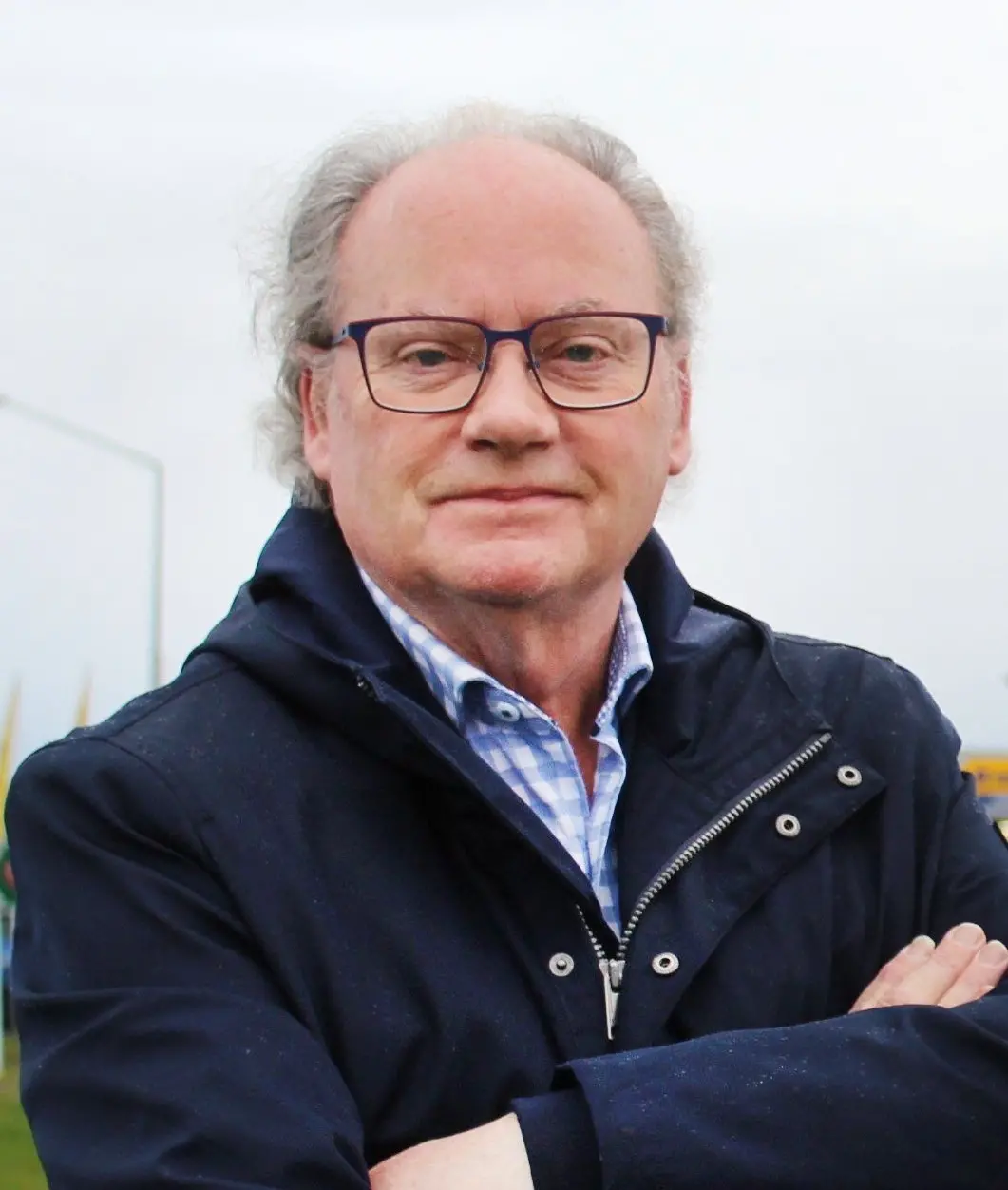
Invercargill Mayor Tom Campbell said rough sleepers tended to sleep in parks and the outskirts of the city.
"We don’t really have people sleeping right in the city centre, so I would be surprised if the police were going to be concerned about that," Mr Campbell said.
The mayor would not be pressed on the government’s announcement, saying there was no reason for him to weigh into the debate.
In November, the Salvation Army shared issues at play in Invercargill, including homeless being displaced from the city’s parks due to the October storm.
Gore Mayor Ben Bell also did not think the change would have much impact, particularly in rural areas.
"There’s still a lot of water to run under the bridge. I think ultimately, you’ve got to deal with systemic issues rather than just moving people on and hoping the problem goes away, but I’m sure that will be ironed out as the legislation passes through."
Mr Bell said he had heard the initiative was mainly targeted at those who did not want to accept help from social services or the government and preferred to "sleep on the streets and act like they own them".
Southland Mayor Rob Scott could not be reached for comment.
The new powers are being implemented under the Summary Offences Act and apply to a range of activities and behaviours including threatening and obstructing entry.
In a statement, Justice Minister Paul Goldsmith said police had limited options to respond, "particularly when it doesn’t reach the level of offending".
"Our main streets and town centres have been blighted by disruption and disturbance. Businesses are declining as some bad behaviour goes unchecked. It needs to stop."
— Matthew Rosenberg, Local democracy reporter
— LDR is local body journalism co-funded by RNZ and NZ On Air.