
PHOTO
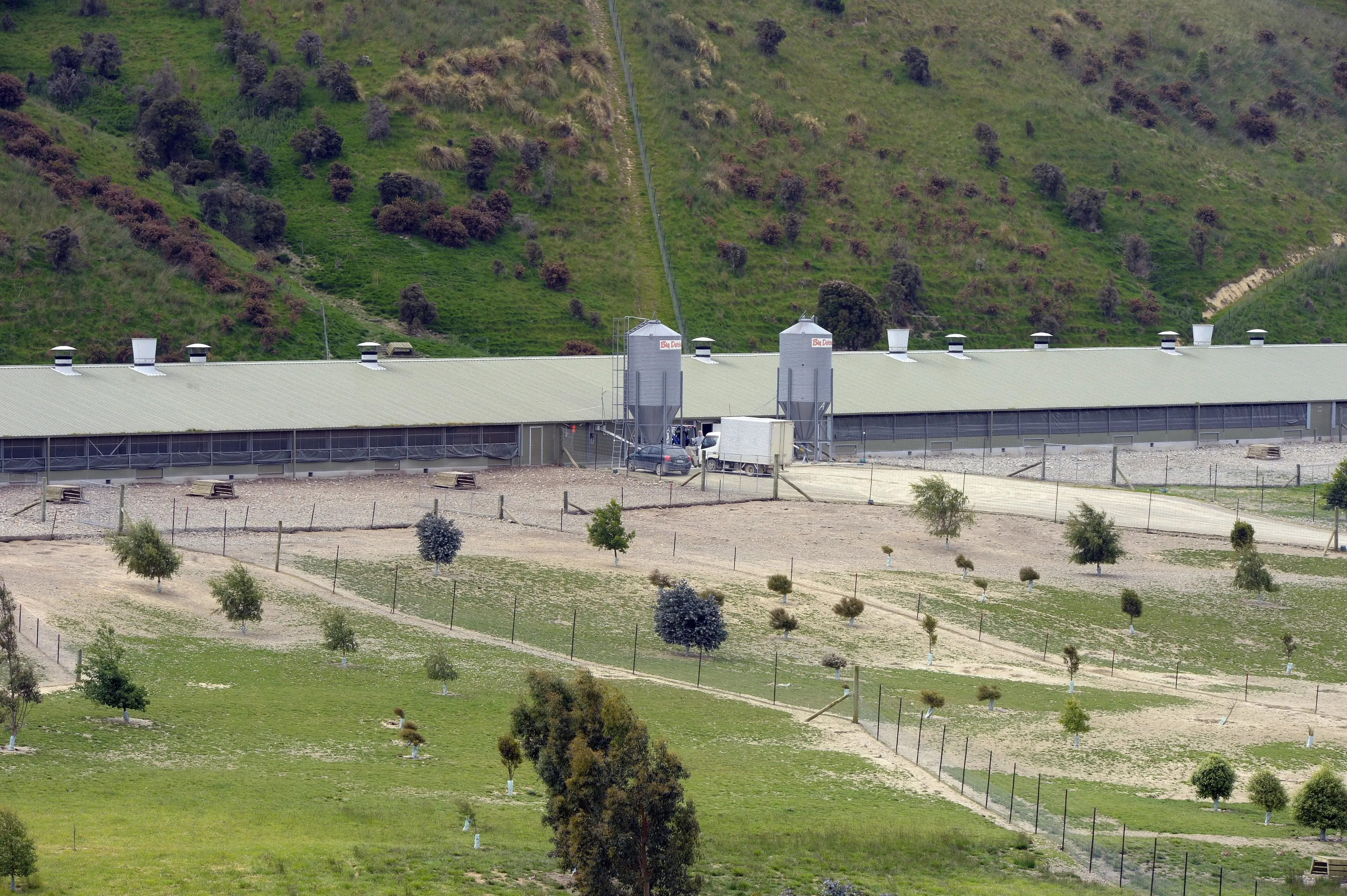
Scientists are hoping field tests on mallard ducks in North Otago will show New Zealand is still free of bird flu, which broke out on a Moeraki poultry farm at the end of 2024.
Fish & Game and the Ministry of Primary Industries confirmed to Allied Media they were working on a project relating to bird flu (HPAI — high pathogenicity avian influenza) in the region.
The project will run from late January to early February and involve, over a period of 10 days, pre-feeding sites where there are known groups of mallard ducks with maize.
The project will involve sites between Dunedin and the Shag River estuary (excluding Hawksbury Lagoon area and Waikouaiti oxidation ponds).
Wire mesh duck traps will then be used so samples can be taken from the ducks, which will then be released.
Biosecurity New Zealand diagnostics, readiness and surveillance director Fleur Francois said Biosecurity New Zealand and Fish & Game have been conducting surveillance on duck populations in New Zealand for the past 20 years.
"This project involves testing mallard ducks for avian influenza. HPAI has not been detected in wild birds in New Zealand to date.
"In response to the increased global distribution of [the highly infectious] H5N1, and last year’s H7N6 outbreak in Otago, we are enhancing our avian influenza surveillance programme.
"This includes avian influenza testing of mallard ducks in Otago, amongst other locations."
Previous testing of mallard ducks, through the avian influenza surveillance programme, has shown them to be free of avian flu. The most recent testing was done on ducks from the North Island.
In December 2024, New Zealand detected its first case of HPAI, caused by subtype H7N6, on a commercial free-range egg farm near Moeraki.
MPI established that the outbreak most likely resulted from the mutation of a LPAI virus of H7 lineage endemic to New Zealand avifauna, after a spillover to poultry.
"Following a biosecurity response, the outbreak was stamped out on the index farm without secondary infections. As a result, HPAI is once again absent from New Zealand," the latest avian influenza surveillance programme annual report states.