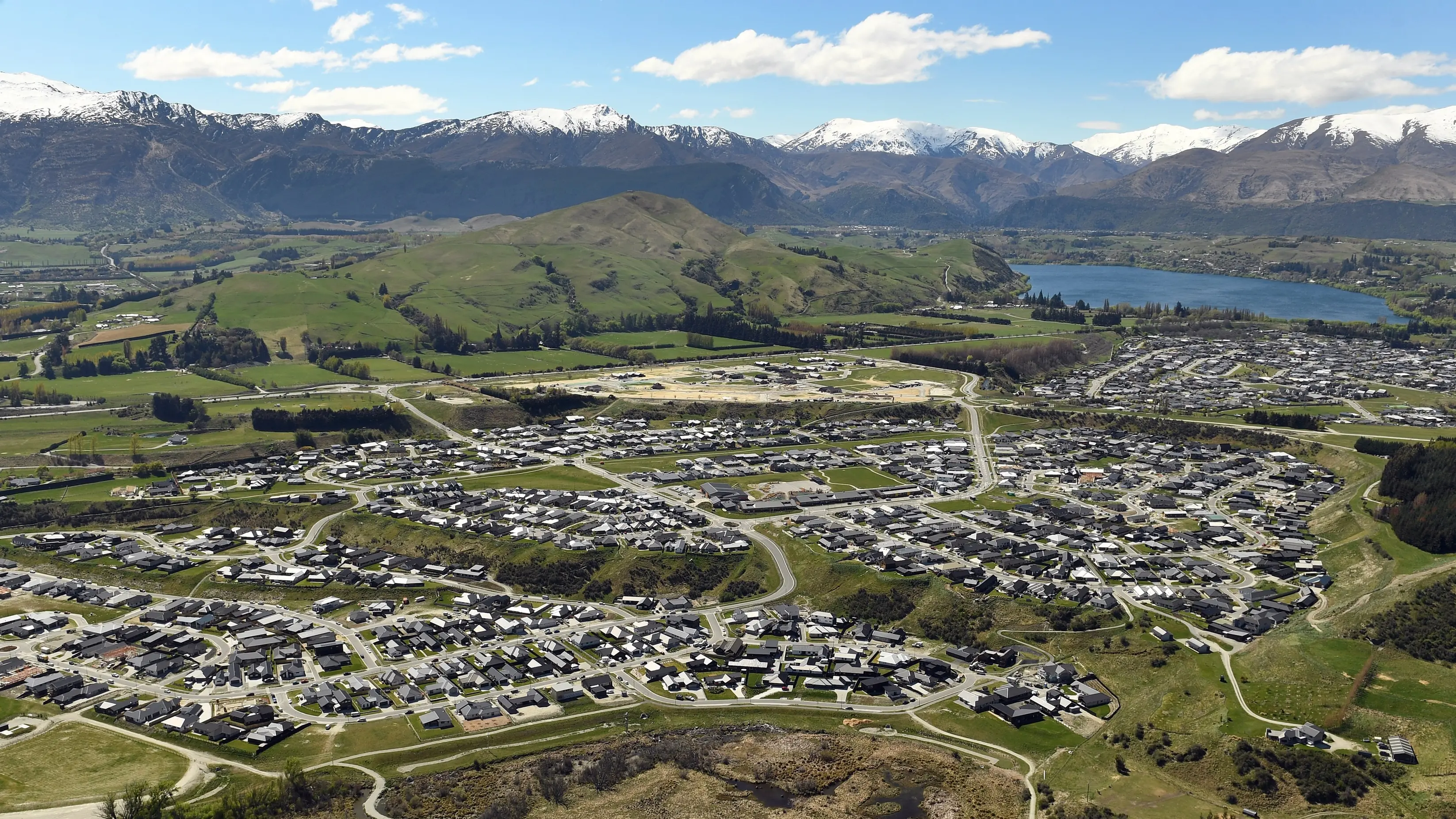
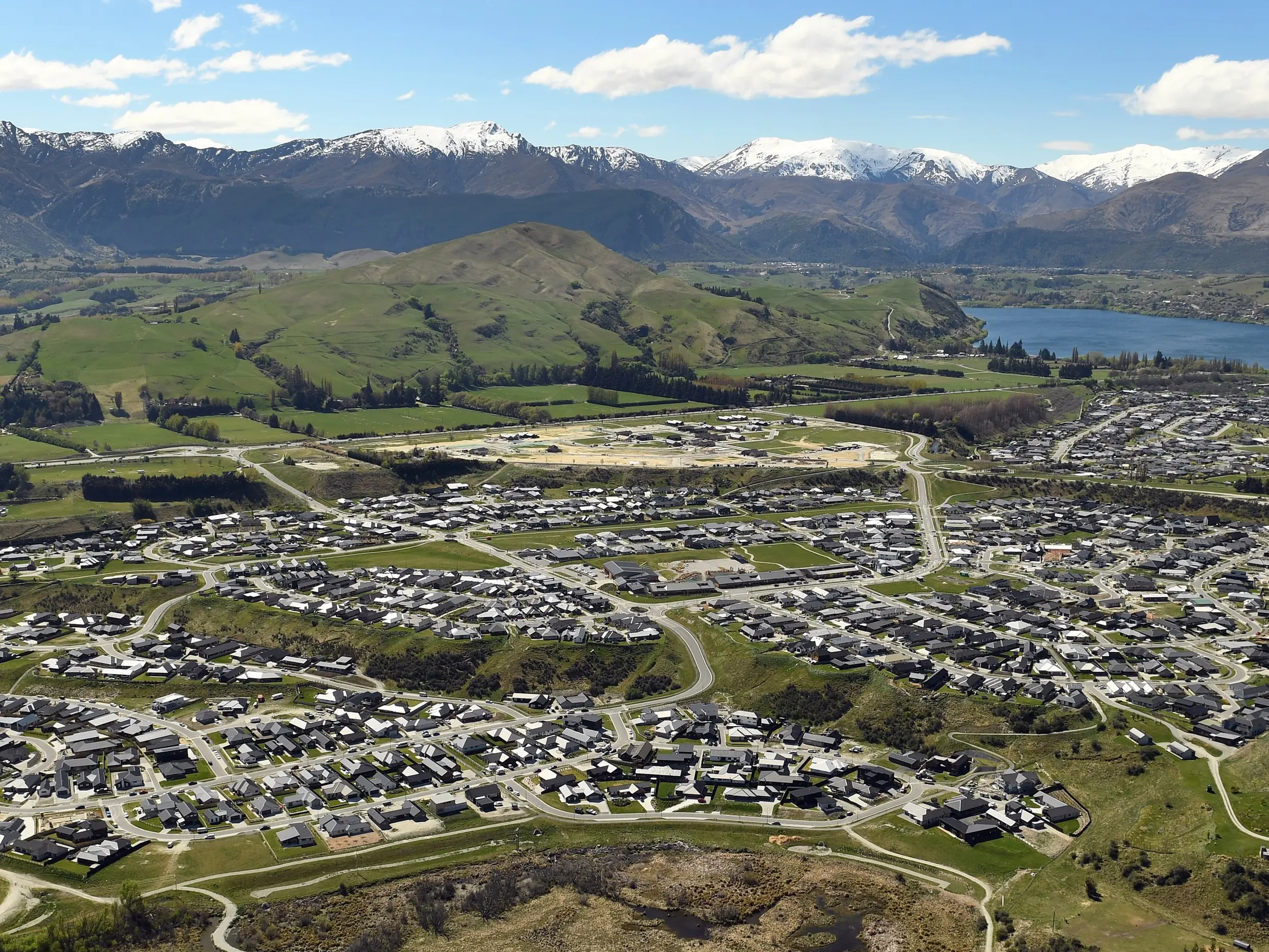
Transit New Zealand, Delta and Aurora Energy have begun an upgrade on a section of State Highway 6 near Arrowtown which, by its completion, will have a price tag of "well over $1 million", Transit New Zealand Central Otago Area engineer John Jarvis said.
Speaking to the Otago Daily Times yesterday, Mr Jarvis said work had already started on the section of the highway which runs alongside Lake Hayes, between Ladies Mile and the Arrowtown-Lake Hayes Rd.
"We've commenced work, in conjunction with Delta and Aurora Energy, in undergrounding the power cables - we're already well under way with that work."
Mr Jarvis said the work had its aesthetic benefits - ridding the roadside of the power poles to preserve the "picturesque" view of Lake Hayes - but there the main objective was safety.
Burying the power cables would enable the stretch of road to be widened to its maximum of 12m - in some places the road was only 8.5m wide, Mr Jarvis said.
"We have to rebuild the [road] anyway because it's quite old. . . the seal and underneath the pavement has got to the endof its life and we have tobasically rebuild it. It's a general maintenance thing.
"While we're having to do that, we want to take the opportunity to widen it and because we have to widen it . . . those power lines are going to be too close. We've worked ahead, that's why we've [started] with getting the power cables underground."
Widening the road to 12m would allow a flush median, similar to that on Frankton Rd, to be painted on, giving motorists a safety area when either turning into homes or the Lake Hayes Pavilion.
Creating a cycle lane would make it safer to cycle on the highway.
Additionally, Transit was hoping to begin consultation on reducing the 100kmh speed limit from just before the Arrowtown-Lake Hayes Rd to the Arrowtown end of Ladies' Mile to 80kmh.
"It's really that length of the Lake Hayes Reserve area - we're mindful of the activity that goes on from time to time there and you can generally only go about 80kmh along there anyway."
While there had not been any accidents "of late" along that stretch of the road, Mr Jarvis said Transit wanted to beproactive rather than reactive.
He said burying the power cables underground, to which Transit had contributed about $170,000 of the roughly $600,000 total cost, was expected to be finished in "a few weeks".
Contracts had not yet been let for the roadworks, which would cost Transit another $500,000.
"[The road works project] is not a massive job, it would be done in four or five weeks . . . it's relatively straightforward.
"We're trying to get it finished by Christmas . . . but we can't be too definite about that at the moment."