
PHOTO
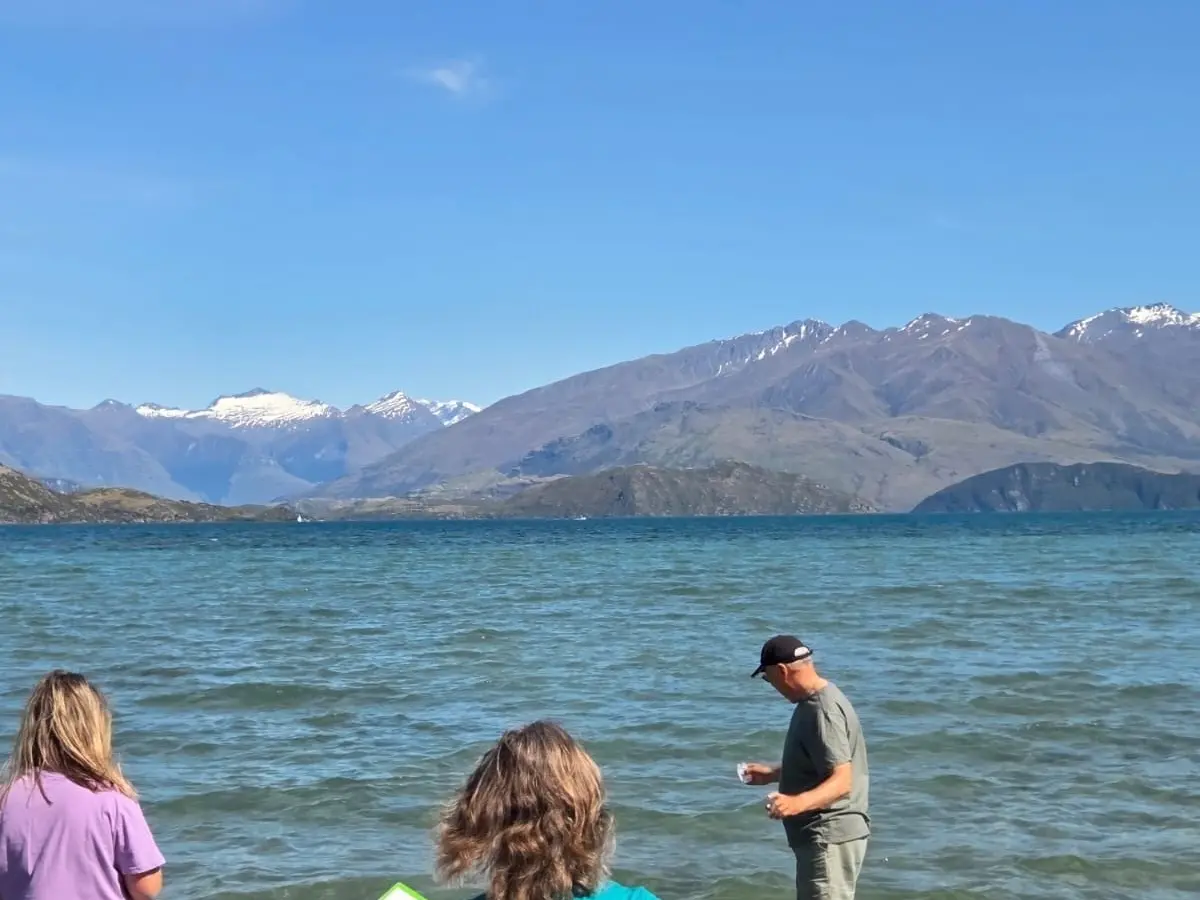
Levels of E. coli at Bremner Bay were at 10 times the safe swimming threshold after rainfall in January, a Wānaka water quality monitoring group says.
The Bremner Bay Catchment Group tracked E. coli levels at Bremner Bay throughout summer.
Results showed that while water quality was suitable for swimming for most of the season, heavy rain led contamination levels to rise well above safe swimming guidelines.
Testing after 10mm of rainfall in January showed E. coli levels at the stormwater outlet at Bremner Bay reached 10 times the safe swimming threshold, with elevated health risks persisting for 72 hours after rainfall stopped.
It was not the rain itself that caused the elevated levels, but the detritus it picked up as it flowed into the lake, the group said.
‘‘When it runs off roads, roofs and urban surfaces, it can carry contaminants straight into places where our families swim,’’ the group said.
WAI Wānaka, which seeks to ensure the health of Wānaka’s freshwater ecosystems, said the finding supported the need for their urban strategy, ‘‘which sets a clear aspiration of no polluted water entering urban streams and lakes’’.
The strategy aims to do this by delivering work programmes that improve community understanding, strengthen collaboration between councils, industry and communities and turn knowledge into action.
The organisation’s urban lead Prue Kane said, ‘‘What we are seeing at Bremner Bay reinforces why we need to act now to work together to reduce the quantity, and improve the quality, of stormwater reaching our lakes and streams.’’
WAI Wānaka said the next steps for the Bremner Bay Catchment group included further monitoring, faecal source tracking, and sediment testing to better understand sources of contamination and improve water safety.
The Otago Regional Council (ORC) said regular testing throughout the summer had shown Lake Wānaka was safe for swimming.
‘‘Otago Regional Council collects weekly samples at Roy’s Bay as part of the summer recreational water quality monitoring programme.
‘‘This season there have been no exceedances reported to date,’’ a spokesperson said.
They said the presence of E. coli was likely due to ‘‘diffuse and intermittent’’ causes including, ‘‘faecal material from animals and waterfowl, stormwater runoff carrying contamination after rainfall and bacteria resuspended from sediments at the lake edge by wave action or changing lake levels’’.
Queenstown Lakes District Council infrastructure operations manager Simon Mason said the council had a long-standing relationship with WAI Wānaka and its associated volunteer project working groups like the Bremner Bay Catchment Group.
‘‘We continue to support their valuable mahi alongside our own environmental monitoring programme to understand the effects of stormwater discharges.
‘‘Whilst we weren’t directly involved with this latest testing, the results reflect recent elevated levels of E. coli at our sampling site at Bremner Bay which we’re investigating.’’