
PHOTO
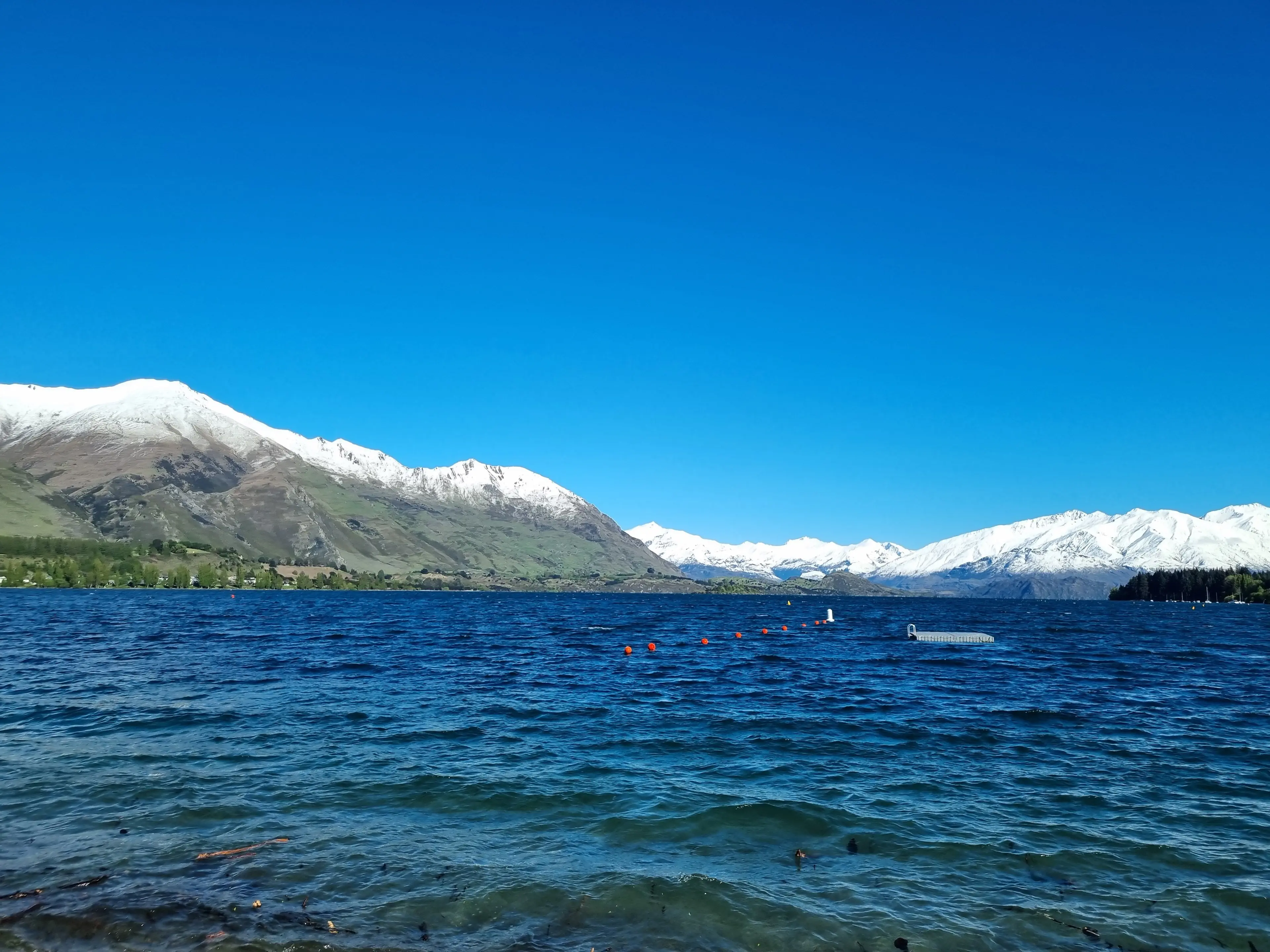
This summer, local not-for-profit WAI Wānaka has been inviting everyone to use the lakes responsibly.
Whether you are a local, a visitor or a holiday homeowner, small every day actions can help protect these precious waterways — while continuing to enjoy all they have to offer.
Over recent months, the WAI Wānaka team have spent time at boat ramps, beaches, and popular swimming spots, connecting with people enjoying Lakes Wānaka and Hāwea, as well as the Mata-au (Clutha) River. Alongside sharing practical tips, they have been listening to how the lakes fit into people’s lives.
From quick chats between swims to stories of summers gone by, one message has come through clearly: these lakes are deeply valued and play an important role in every day life.
As part of this mahi, WAI Wānaka launched the Summer on the Lake survey — a snapshot of how locals and visitors use the lakes, what they value most, and how ready they are to take action to support freshwater health. To date, 142 people have answered, with results showing a strong connection to care for local waterways.
SURVEY RESULTS
One of the strongest themes is how frequently people use the lakes during summer. Seventy two percent of respondents said they used Lakes Wānaka and Hāwea daily or weekly, while 18% said they visited only rarely or monthly.
Respondents were able to select multiple activities. Swimming received the highest number of responses (121 votes), followed by boating (100), water skiing and wakeboarding (78), barbecues (77), sightseeing (63), and fishing (57). These results reflect what many locals already know — the lakes are active, shared spaces that support health, happiness and connection.
When asked why they used the lakes, respondents most often cited recreation and enjoyment (129 votes), spending time with friends and whānau (123), and relaxation (110).
This every day recreational use is significant. Nationally, the Treasury recognises recreation and enjoyment of freshwater as ecosystem services that contribute to wellbeing. When water quality declines, these benefits can be put at risk, limiting how communities connect with and enjoy their waterways.
Encouragingly, many respondents are already aware of threats facing the lakes. Rubbish entering the water and fuel spills were the most commonly identified risks (134 votes). There was also strong support for positive action, with 141 respondents saying they would take litter home and 106 saying they refuelled boats carefully and avoided spills.
The survey has highlighted opportunities for further education. While freshwater pests were identified as a risk by 104 respondents, the action designed to prevent their spread — Check, Clean, Dry — was being practised by 127 respondents.
Microplastics prompted a more mixed response. While 95 respondents identified microplastics as a risk, 77 said they would buy eco-friendly boating accessories to help reduce them.
WHY IT MATTERS
The survey reinforces the enormous value these lakes provide every day — from healthy ecosystems to places that support wellbeing and social connection. When our lakes and rivers are healthy, so are we.
WAI Wānaka thanks everyone who has completed the survey, shared stories or stopped to chat. The survey is open until March 31, and the insights will help shape future education and engagement initiatives, practical tools, and campaigns.
Thanks also to Love Wānaka, KEA Outdoors, and Marine & Sport Wānaka for their support.