
PHOTO
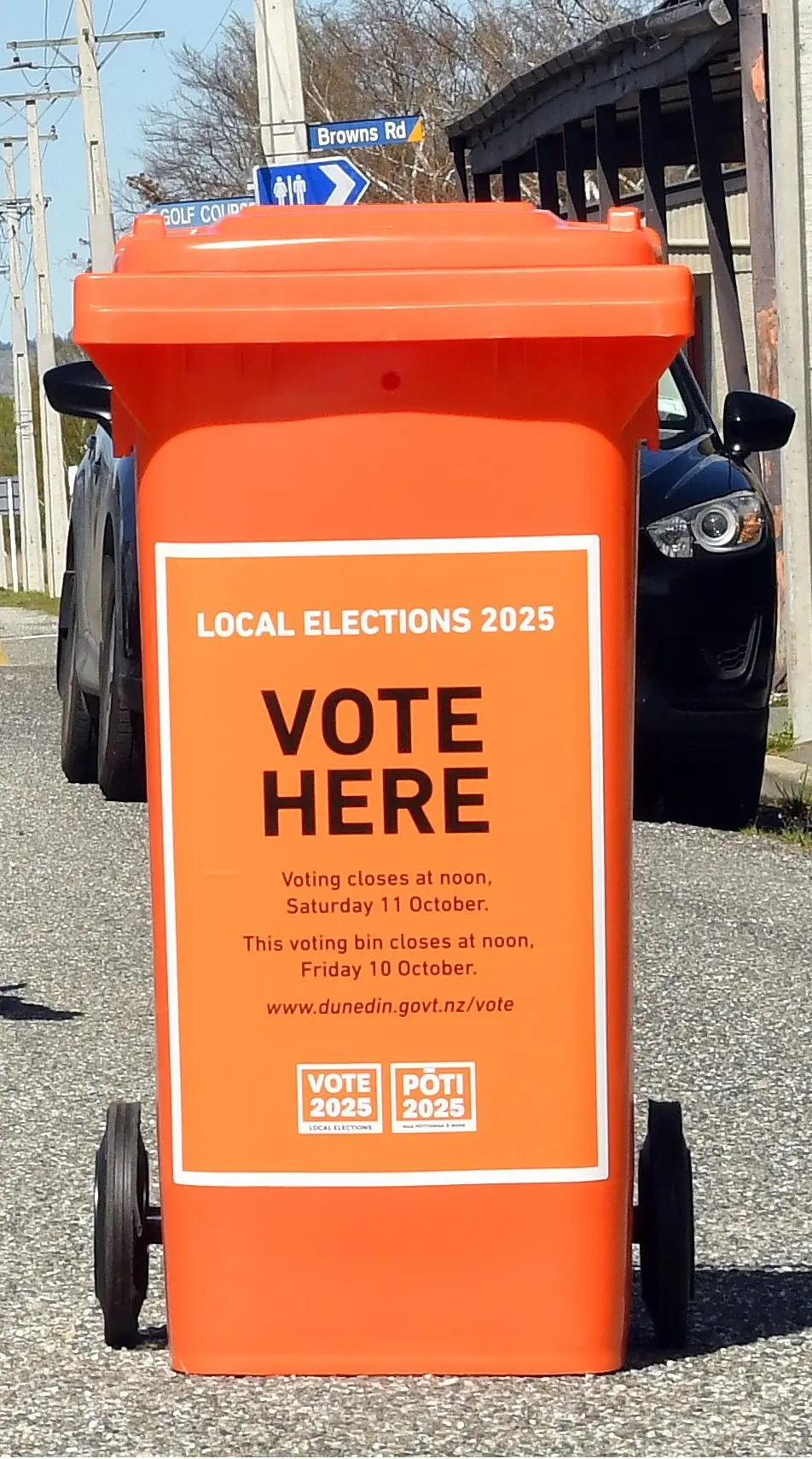
Election trends reveal a decline in voter turnout across the region and mayoral candidates put it down to low trust in the council.
Local election statistics in the Queenstown Lakes District show voting has declined over the past three local elections, with 54.1% of the district voting in 2016, 47.02% in 2019 and 43.03% in 2022.
As of last week, 15.33% of the region had voted: the highest turnout was in the Wānaka Upper Clutha ward, 17.51% of the area casting their vote.
Elections are open until October 11, and past statistics have shown most voting takes place in the last 3-5 days before the closing date.
Mayoral candidate Darren Rewi said low voter turnout was the result of political fatigue, which had led the public to believe their vote would be wasted on a council they did not trust.
“Council is visible, just not transparent and this creates anger and a significant lack of trust,” he said.
He urged the importance of improving voting numbers, as low turnout would eventually empower those with self-interests rather than achieving benefit for the wider community.
Candidate John Glover said more people would vote if they saw that a change in elected representatives could lead to a change in direction, but at present there was a decline in trust.
"The catch 22 situation here is that the voting population need to feel that their vote can make a difference. They need to trust that their vote will be acted on."
The growth in the region had also meant a rising younger demographic who might not have the voting habits of older residents, he said.
Candidate Al Angus said low voting was due to the council going against ratepayer input on meaningful decisions, resulting in residents feeling let down.
“Council is deliberately not visible enough,” he said.
Candidate Nik Kiddle said the decline in voters could also be attributed to a "clumsy postal voting system" that was out of date.
Combining registration and voting at one location could lift voter turnout, he said.
University of Otago politics professor Janine Hayward pointed out that voters should not carry all the blame for the decline, as trust in council and communication needed to improve.
There was a feeling among voters across the country that their voices did not matter and the issues within their communities were beyond their control, Prof Hayward said.
"Sometimes voters will say, it doesn’t seem to matter who I vote for, the council still can’t do the things that I want it to do, or they don’t have enough money to do what we want them to do."
When it came to local government, there was also very little that captured voters’ attention in the campaigns, she said.
As people faced increasing stresses in their lives, elections were now competing with other pressures voters were facing.
"In their very busy lives, it is hard sometimes for local government campaigns to get the attention that they need to get voters to go to the effort of voting," she said.
Communication was also key, and despite some of the councils’ and candidates’ best efforts, there was still a gap in communicating with the public, especially younger voters.
One of the issues was some councils not utilising platforms such as Instagram or TikTok to reach a wider demographic.
"If local councils aren’t engaging in that way, then it literally will pass some groups of young people by without them really being aware that there are local elections."
The increase in low voter turnout should not be ignored, she said.
One improvement she suggested the Queenstown Lakes District Council implemented was the single transferable vote system, which the Otago Regional Council had adopted.
It allows voters to rank their preferred candidates.
Being able to rank candidates meant the council could get a better proportional representation of voter opinion, Prof Hayward said.