GO
Subscribe
Subscribe
CLOSE
E-EDITIONS
SIGN IN | CREATE ACCOUNT
SECTIONS
Dunedin
Otago
Dunedin
Queenstown
Wānaka
Central Otago
South Otago
North Otago
Canterbury
Christchurch
South Canterbury
North Canterbury
Mid Canterbury
Selwyn
Rural Life
Dairy
Red Meat
Horticulture
Rural People
Rural Events
Election 2026
Business
Lifestyle
Fresh Spring Edition
Food & Wine
ODT Quiz
Home & Garden
The Mix
Entertainment
Travel
Fashion
Sport
Cricket
Rugby
Racing
Basketball
Football
Netball
Motorsport
League
Golf
Southland
West Coast
National
World
Opinion
Editorial
100 Years Ago
Advertising Features
Build Buy Renovate
Healthcare Providers
Canterbury Healthcare Providers
SEND US NEWS & PHOTOS
SIGN IN | CREATE ACCOUNT
SUBSCRIBE
My Account
E-Edition
Contact us
Advertising
Allied Media
Subscribe
Subscribe
Subscribe
News
Dunedin
Queenstown
Southland
West Coast
Marlborough
National
World
Opinion
Election 2026
Otago
Dunedin
Queenstown
Wānaka
Central Otago
South Otago
North Otago
Canterbury
Christchurch
South Canterbury
North Canterbury
Mid Canterbury
Selwyn
Rural Life
Dairy
Red Meat
Horticulture
Rural People
Rural Events
Business
Lifestyle
Fresh Spring Edition
Food & Wine
ODT Quiz
Home & Garden
The Mix
Entertainment
Travel
Fashion
Sport
Cricket
Rugby
Racing
Basketball
Football
Netball
Motorsport
League
Golf
SIGN IN
Dunedin
Queenstown
Southland
West Coast
Marlborough
National
World
Opinion
Election 2026
Dunedin
Otago
Dunedin
Queenstown
Wānaka
Central Otago
South Otago
North Otago
Canterbury
Christchurch
South Canterbury
North Canterbury
Mid Canterbury
Selwyn
Rural Life
Dairy
Red Meat
Horticulture
Rural People
Rural Events
Election 2026
Business
Lifestyle
Fresh Spring Edition
Food & Wine
ODT Quiz
Home & Garden
The Mix
Entertainment
Travel
Fashion
Sport
Cricket
Rugby
Racing
Basketball
Football
Netball
Motorsport
League
Golf
Southland
West Coast
National
World
Opinion
Editorial
100 Years Ago
Advertising Features
Build Buy Renovate
Healthcare Providers
Canterbury Healthcare Providers
SEND US NEWS & PHOTOS
SUBSCRIBE
My Account
E-Edition
Contact us
Advertising
Allied Media
Social media
GO
Subscribe
He Kitenga
News
December 8
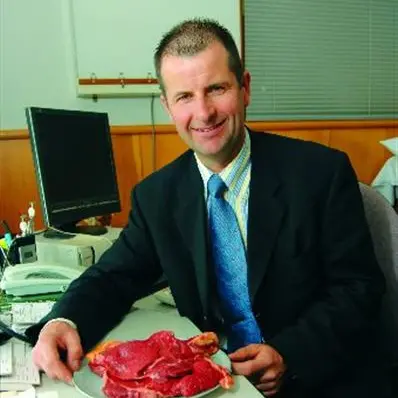
Diabetes and diet: an easier solution?
Type 2, or adult onset diabetes, is running at epidemic proportions in New Zealand with the Ministry of Health estimating that as many as 200,000 people - or five per cent of the adult population - have diabetes; half are still undiagnosed.
News
December 8
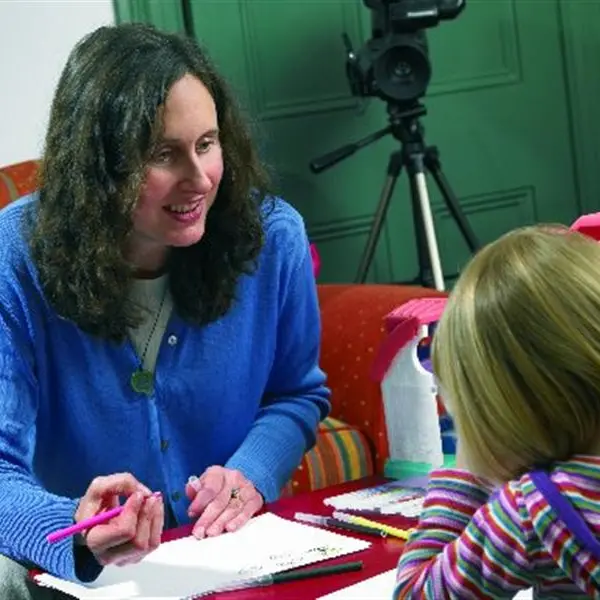
Conversation counts for kids
The importance of talking to young children is well recognised, but just how important has been revealed by research at Otago's Department of Psychology.
News
December 8
Cancer research gives new hope
Otago genetic researchers have discovered exactly how a deadly hereditary type of stomach cancer develops, giving new hope to families affected by the disease.
News
December 8
“Asia in the Making of New Zealand”
New Zealand has had a rich history of engagement with Asia, but the impact and influence of Asian peoples and cultures here has become increasingly visible in the last 15 years.
News
December 8
Brain cell recordings a hit
Being able to record the activity of single brain cells is enabling Department of Physiology researchers to gain an insight into how a new generation of drugs - called A2A receptor antagonists - are acting on brains affected by Parkinson's disease.
News
December 8
The changing faces of Anzac Day
Look around at any Anzac Day service and what do you see? As expected, there are a few veterans, their numbers reducing each year. But perhaps unexpectedly, there are young people in increasing numbers.
News
December 8
Research group targets kidney disease
New Zealand already spends about 10 per cent of its health budget on chronic kidney disease and its downstream effects, and the prospect of an increasing epidemic is putting even greater emphasis on research.
News
December 8
Tracking epilepsy's genetic trail
Paediatric neurologist Dr Lynette Sadleir, from the University of Otago, Wellington, is on a gene hunt. She is very keen to track down those genes, or combinations of genes, that can be linked to major forms of epilepsy or, more correctly, epilepsy syndromes.
News
December 8
Blood, bleach and bacteria
After years of international scientific debate, scientists from Otago's Free Radical Research Group in Christchurch have recently made a major advance as to how white blood cells destroy invading bacteria in the body - bleach.
News
December 8
CBT in cyberspace
PC may soon mean personal computer instead of psychiatric care for people seeking help with depression.
News
December 8
Treating depression: what works best?
Depression is one of the most common psychological disorders in our society and is usually treated either with medication or by psychotherapy ("talking therapy"), involving consultations over some weeks and months with a psychiatrist, clinical psychologist or counsellor.
News
December 8
Pursuing persistent pollutants
Being on the POPs chart might be considered a good thing in music circles, but for chemists like Dr Kimberly Hageman, the POPs list is a very different thing.
News
December 8
The queen of all pheromones
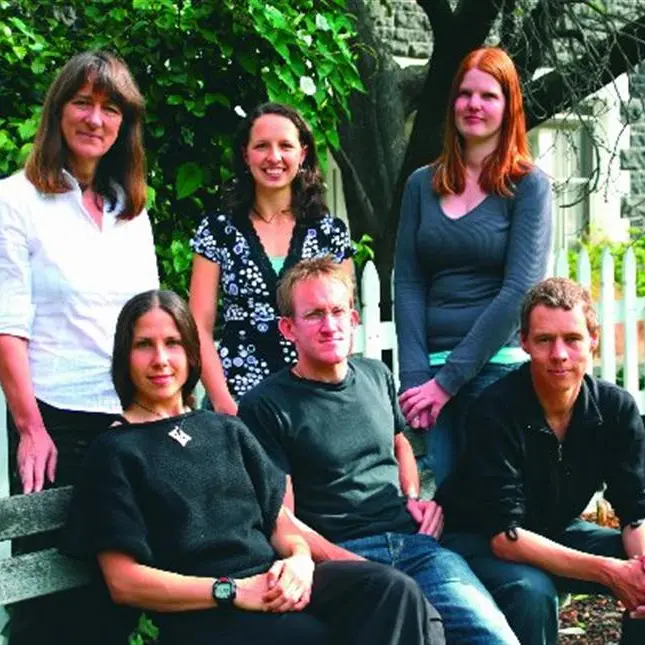
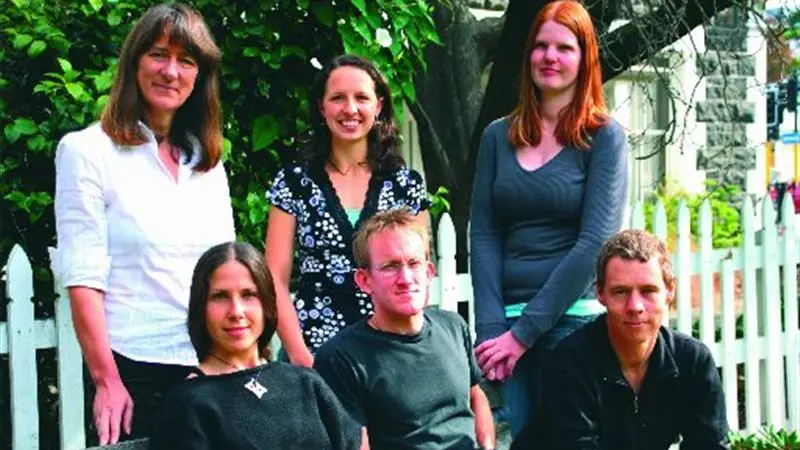
Honey bee queens control their offspring with chemicals (pheromones), but just how these chemicals work largely remained a mystery until recent studies by the "bee team" at Otago's Department of Zoology.
News
December 8
Raising the zinc status
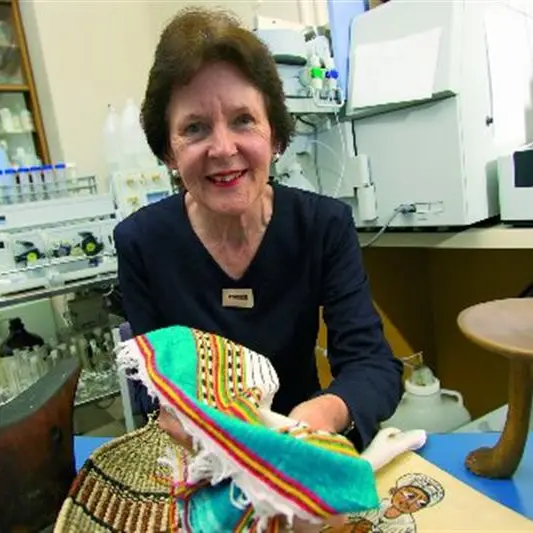
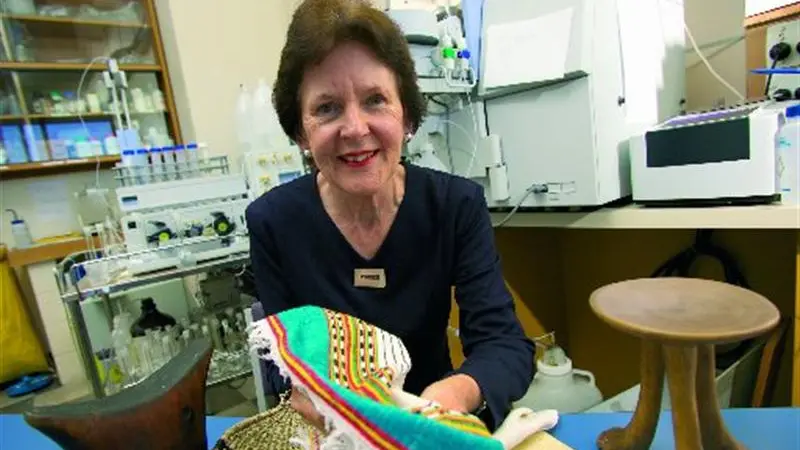
Forty years after beginning her research career in Ethiopia, Human Nutrition Professor Rosalind Gibson has returned to the south of that country to work among some of the many people in sub-Saharan Africa who have a nutritional status particularly low in zinc.
News
December 8
Tracking Trout
Understanding the habits and behaviour of the wily brown trout is one of the great sports-fishing challenges of the South Island, attracting anglers from all over the world.
News
December 8
Heads in the clouds research
The remote Kosipe Valley, in the highlands of Papua New Guinea, may hold a key piece in a global jigsaw puzzle that explains how and when ancestors of modern humans left Africa somewhere around 60-70,000 years ago.
News
December 8
Spatial skills linked to tone deafness
Why are some people tone deaf? This question has long puzzled scientists, but Otago's Psychology researchers have come up with surprising evidence about the brain processes involved.
News
December 8
Children's teeth do matter...a lot
Anyone who has experienced toothache knows how debilitating it can be. For young children, it can have a devastating effect on both them and their families. But just how much the oral health of youngsters affects lives has been hard to quantify - until now.
News
December 8
Children's teeth do matter...a lot
Anyone who has experienced toothache knows how debilitating it can be. For young children, it can have a devastating effect on both them and their families. But just how much the oral health of youngsters affects lives has been hard to quantify - until now.
News
December 8
Business building bridges
Mäori and general business communities have more in common than differences, and both would gain from closer collaboration. That was just one finding of a wide-ranging national survey of Mäori and mainstream business networks, organisations and government agencies, to find ways for them to work together for the benefit of themselves and the economy.
News
December 8
Which medicines for whom?
Who gets what, when and from where? It may seem like a simple question, but applying it to prescription medicines for around 32,000 people is no simple task.
News
December 8
Vital vitamin C
Vitamin C has long been known to help prevent scurvy and is often used as a remedy for colds, but ground-breaking Otago research has shown that this vitamin plays an even more important role in maintaining good health.
News
December 8
Research spearheads energy revolution
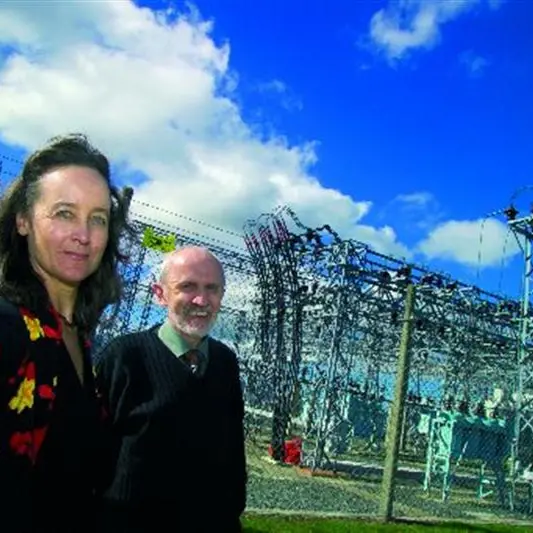
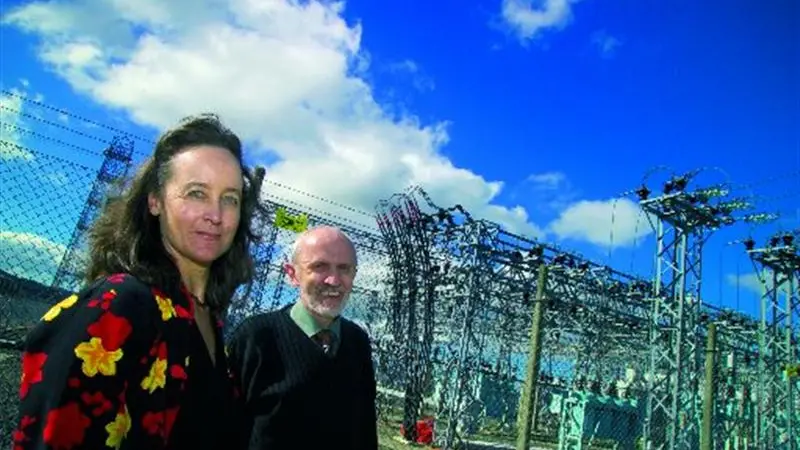
Professor Gerry Carrington and Dr Janet Stephenson, together with a host of other researchers at the University of Otago and nationwide, are part of a group that is serious about helping New Zealand to shift to a sustainable energy path.
News
December 8
Partnerships for social change
New Zealand is groaning under the burden of its social ills, but Associate Professor Pat Shannon (Department of Social Work and Community Development) says it's become abundantly clear the answer does not lie with agendas and solutions imposed by bureaucrats in Wellington.
News
December 8
UV under ice
Increased UV radiation due to depletion of the ozone layer is known to have harmful affects on human beings. It seems it is also a factor for the Antarctic sea urchin sterechinus neumayeri. Dr Miles Lamare, of Otago's Department of Marine Science, says the larval stages of marine invertebrates such as sea urchins are crucial to the ecosystem of the Antarctic.
View more