



A new documentary is retracing the footsteps of early Chinese gold miners through some of their descendants, exploring a bleak era in the country’s past when immigrants from China were required to pay a poll tax.
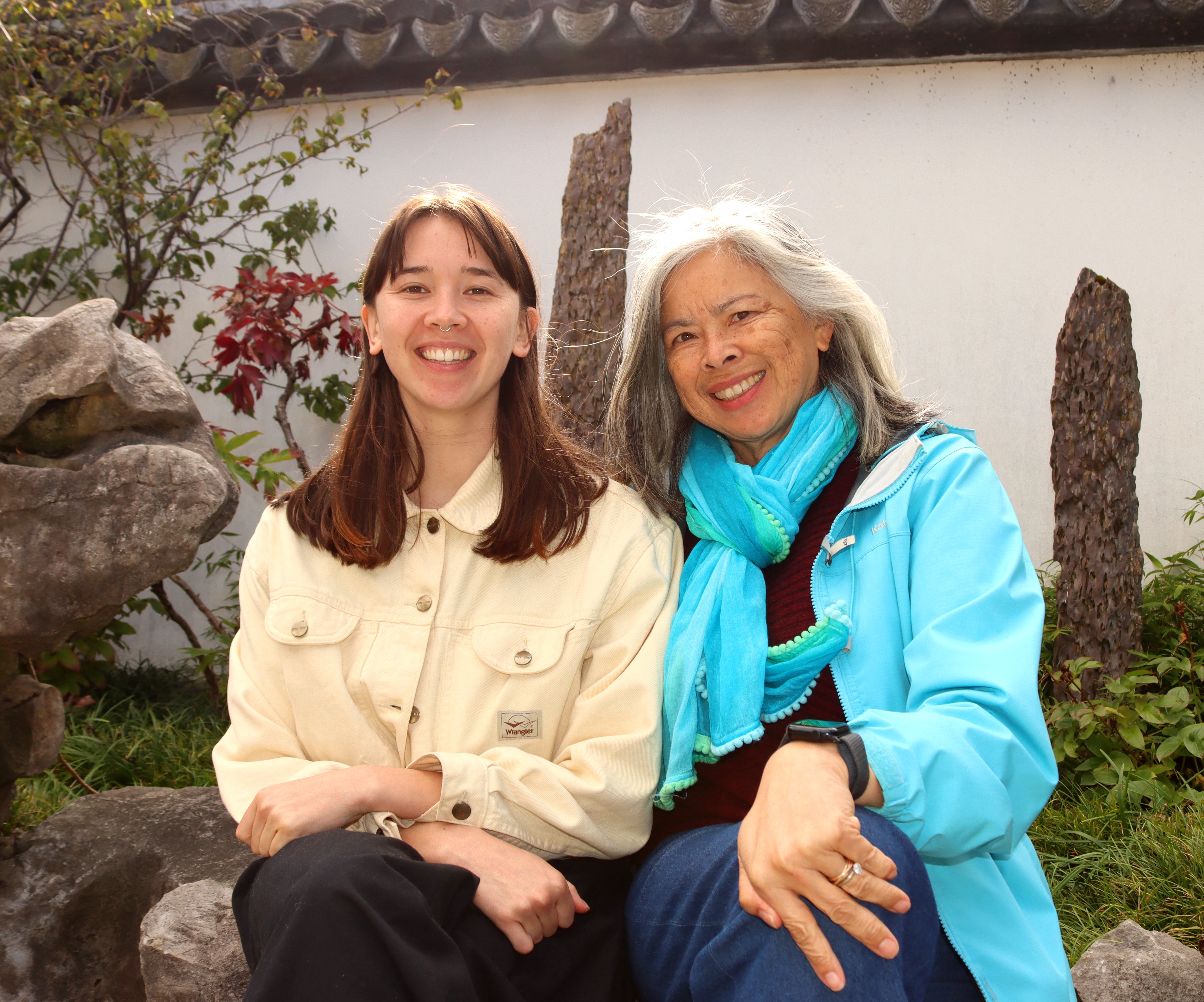
Former lawyer and family historian Nicky Won has explored the story of her ancestors in her book Finding the Rosenbrock Women.
Her great-great-grandfather Chow Chie arrived from Victoria in 1867 as one of the first overseas prospectors to seek their fortune in Central Otago.

‘‘They received assurances from the Otago Provincial Government that they would be treated fairly,’’ Ms Won said.
But despite that initial warm welcome, once the miners arrived they were given a mixed reception.
Some European miners saw them as a threat and there were instances of bullying.
This began to increase as more immigrants arrived.
Driven by rising prejudice against labourers from China in the Otago gold fields, the New Zealand Government passed the 1881 Chinese Immigrants Act to impose a £10 poll tax. In 1896 this was increased to a £100 tax, equivalent to about $20,000 today.
As part of the film, Ms Won and her daughter Hannah Patterson plan to travel to their ancestral village in China.
This will be the first time her daughter has visited the region.
The process of making the series had been an opportunity to explore her heritage with her mother, visiting sites such as the Lawrence Chinese Camp, she said.
An accomplished poet, Ms Patterson is sharing some of her poetry in the documentary.
‘‘I just write poetry about anything that I have like strong feelings about.
‘‘I feel like often I write them to work through a problem, like a sense of maybe tension or internal conflict.’’
Dunedin resident Malcolm Wong said his great-great-uncle Wong Koon Yau arrived in 1883 to better his life and make money to take home.
He recalled racist attitudes his family faced even into the 1970s and 1980s.
‘‘Certainly there were discriminatory actions, racist attitudes.
‘‘You used to get phone calls and things like that, you know, late at night they might say ‘go home Chinaman’ or something like that.
‘‘That is why a lot of Chinese had unlisted phone numbers.’’
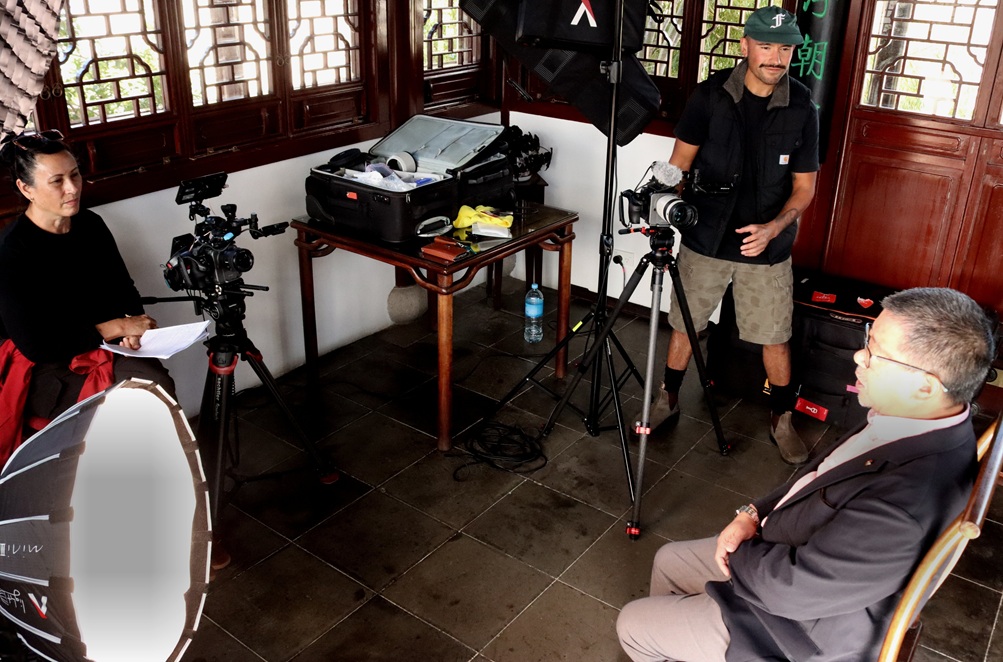
‘‘I have been wanting to make a documentary about our poll tax history made by us, about us, for us, but also for the bigger picture,’’ Ms Chanwai-Earle said.
Her great-great-grandfather Dong Chan Wai arrived in the country in 1907 and had to pay a £100 poll tax.
He travelled from Canton via Vancouver to New Zealand.
‘‘Even though he was a naturalised British citizen, he still had to pay the £100 poll tax.’’
The documentary is produced by Tawera Productions for Radio New Zealand with funding from NZ On Air.


