
PHOTO
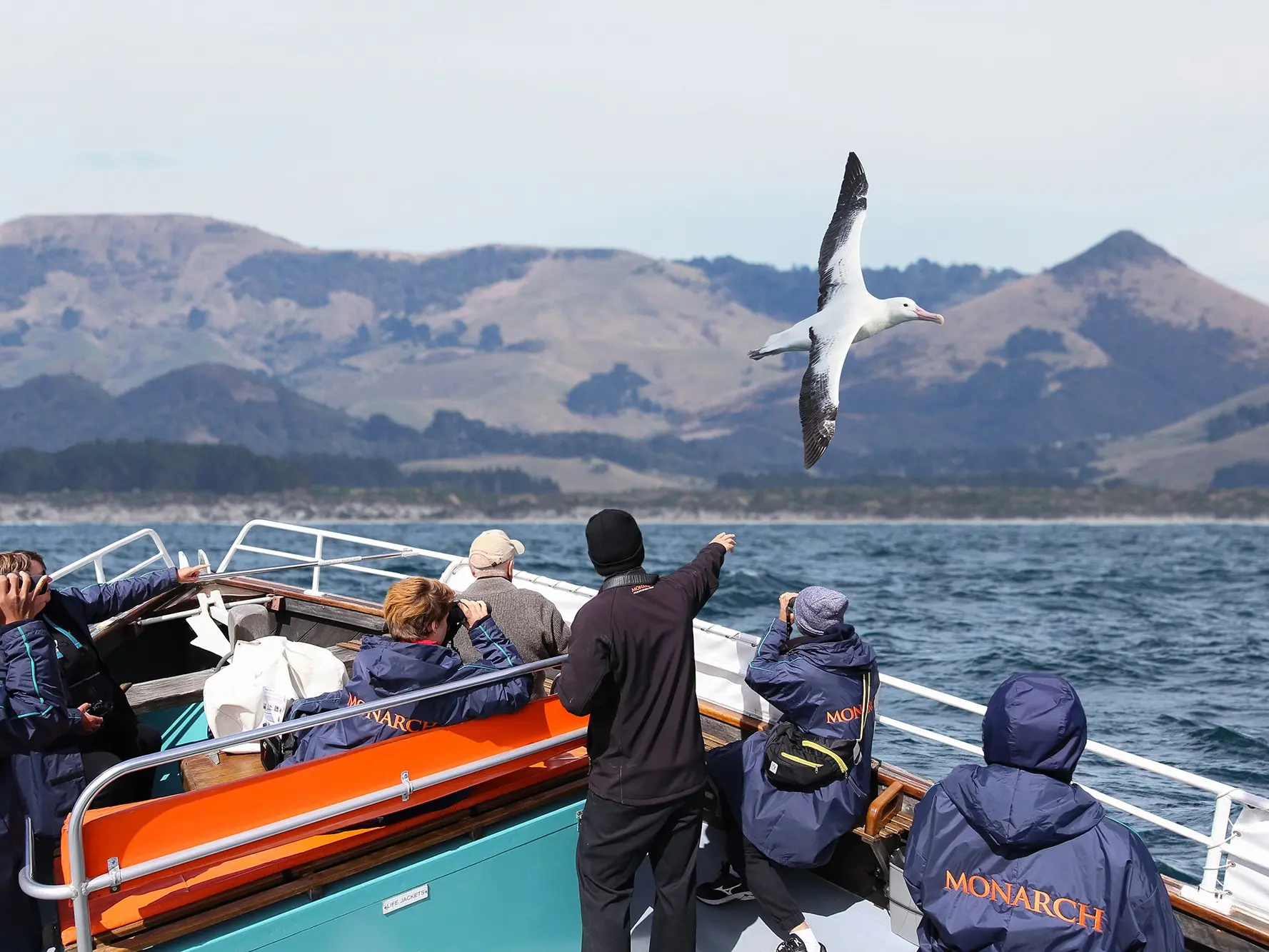
Dunedin has had wildlife front and centre this past week.
Our Wild Dunedin festival has seen our city come alive with the sights, sounds and stories of the incredible nature around us.
With just a few days to go, it is clear the festival has been popular with locals and visitors alike.
Holding it during the school holidays has helped, with plenty on offer for children and families (much of it free) and a real chance for young people to connect with nature firsthand.

I have been out at several events, including the NatureDome on Sunday at Forsyth Barr Stadium.
It was great to see so many people young and old getting involved in the many activities on offer.
Project Jonah’s inflatable humpback whale drew a crowd all day.
From our remarkable and threatened yellow eyed penguin hoiho, to the ancient peripatus, and the work happening at places like Orokonui Ecosanctuary, this week has been a reminder that Dunedin is one of the great wildlife cities in the world.
It is also why thousands of tourists visit each year to experience our natural environment up close.
That natural environment underpins a big part of New Zealand’s economy. Thirteen of our top 20 exports depend on it, making up more than 70% of what we earn overseas. Tourism and our food exports in particular rely on keeping it in good shape.
Looking after what we have takes long-term commitment. It is essential to supporting both tourism and our rural economy, as well as our health.
The decisions being made now matter.
In recent years under a Labour government, there was strong national investment in conservation and climate initiatives.
That focus has shifted under the current government with the Parliamentary Commissioner for the Environment showing a $1 billion reduction in environmental funding by central government for the 2025/26 fiscal year — instead other priorities such as tax breaks for landlords and tobacco companies take centre stage.
This week has also been a reminder that some of our most precious species are under real pressure. The hoiho in particular faces serious threats.
Comments from senior ministers downplaying species loss, including flippant remarks about extinction, send the wrong message.
It is not acceptable for native species to disappear on our watch.
If we get this wrong, it will not just be an environmental loss, it will come back to bite us economically as well.
Wild Dunedin has shown the best of our city. Now the challenge is making sure we keep backing it.