
PHOTO
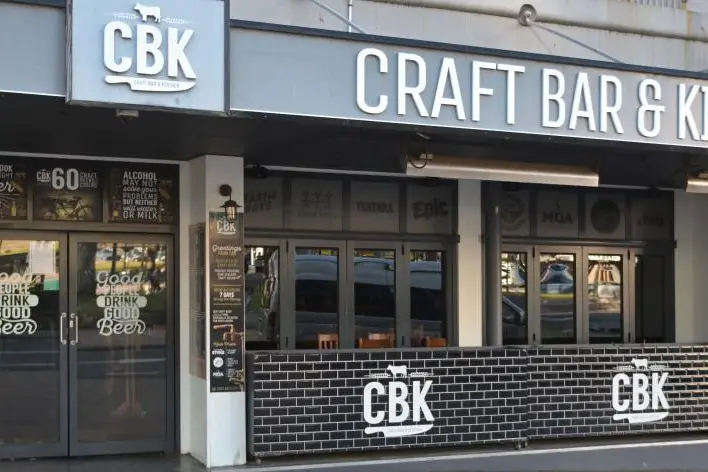
About 3000 hospitality businesses have closed their doors in the past 12 months, new data shows.
Credit bureau Centrix has released its latest update. which shows that while business defaults are down, company closures and liquidations are elevated.
In the hospitality sector alone, 422 companies, or 1.3 percent of the sector, entered liquidation in the past year.
That was a 42 percent year-on-year increase. Restaurant liquidations were up 43 percent, takeaway food service liquidations 143 percent and cafe liquidations 27 percent.
There were 2900 hospitality businesses that ceased trading altogether, an increase of almost 40 percent.
Retail trade liquidations were up 50 percent year-on-year.
In total, 3092 companies were liquidated in the past 12 months, up 14 percent year-on-year. There were 302 company insolvencies in July, compared to 276 a year earlier.
Construction accounted for 28 percent of them, property leasing and hiring at 13 percent and hospitality at 11 percent.
The 764 construction businesses liquidated in the past year was just under 0.1 percent of the sector.
Centrix said hospitality's insolvency rate was 3.3 times that of the average New Zealand business.
Centrix's chief operating officer Monika Lacey said slower consumer spending was a drag on the sector.
"If things get tough, you don't necessarily go out for dinner every week, you might go once a month so it's a hard part of the economic cycle, when people start hunkering down. The confidence isn't there."
Restaurant Association general manager Nicola Waldren said while 1.3 percent might seem a small proportion of the sector, every liquidation affected the owner, employees and the wider community.
"Liquidation figures are a lagging indicator. They reflect the cumulative effect of several difficult years rather than providing a complete picture of how every hospitality business is performing today. Many businesses have spent the years since Covid trying to rebuild their balance sheets and pay down debt accumulated during that period, while also managing rising food, wage, energy and compliance costs and constrained customer spending.
"The vast majority of hospitality businesses continue to trade and adapt, but unfortunately for some there has simply not been enough breathing room to recover."
She said July hospitality sales were up 7.8 percent year-on-year, the strongest monthly growth for some time. "However, one strong month does not yet amount to a sustained recovery, particularly for businesses still carrying debt accumulated through Covid and the difficult years that followed."
Westpac chief economist Kelly Eckhold said things would start looking up for the sector when unemployment started to fall.
Keaton Pronk, an insolvency practitioner at McDonald Vague, said winter was often the slowest time for the sector.
"Couple this with tough economic times where people start to cut their spending hospitality is a sector that will feel the immediate effects.
"We continue to see IRD pushing hard with recoveries against businesses that have fallen behind on tax debt. A business that may have tax debt and had an arrangement in place may suddenly find itself in default when it becomes strapped for cash and unable to meet its obligations."
The data showed mortgage arrears were up 1.22 percent and just under 20,000 home loans were past due.
That was 12 percent fewer than a year earlier.
Consumer arrears overall increased to 10.74 percent and 424,000 people were behind on repayments.
Lacey said overall the credit conditions were still improving. "There's definitely going to be a bit of a wobble through the winter months. It's been freezing lately... I just got my power bill, that was a bit of a shock so that's going to flow through into everyday households.
"Some will be able to manage that and others will need to potentially not pay something one month to pay the power bill.
"Overall, I think Kiwis are doing better than they were a year ago."
She said it would be interesting to see what happened if interest rates continued to push up. The official cash rate is expected to increase this week.
"If it continues to trend that way, things will start getting a bit tougher again because you don't have as much cash in your pocket."
Renters account for approximately 69,000 of consumers currently 90 or more days in arrears.
Overall new household lending declined 10.5 percent year-on-year during the July quarter, driven by weaker residential mortgage activity.
Approved new mortgage lending was down 11.6 percent compared with the same period last year, following stronger activity earlier in 2026.
Non-mortgage lending increased 4.9 percent year-on-year, supported primarily by continued growth in secured vehicle lending.
There are currently 14,000 accounts reported in financial hardship, up 450 from June but 1.3 percent lower than a year ago.
