
PHOTO
Bottom trawling could be a make or break policy when it comes time to form the next government.
Opportunity, which poll after poll has been named as the November 7 election's kingmaker, says it will not form a coalition unless its partners agree to a ban.
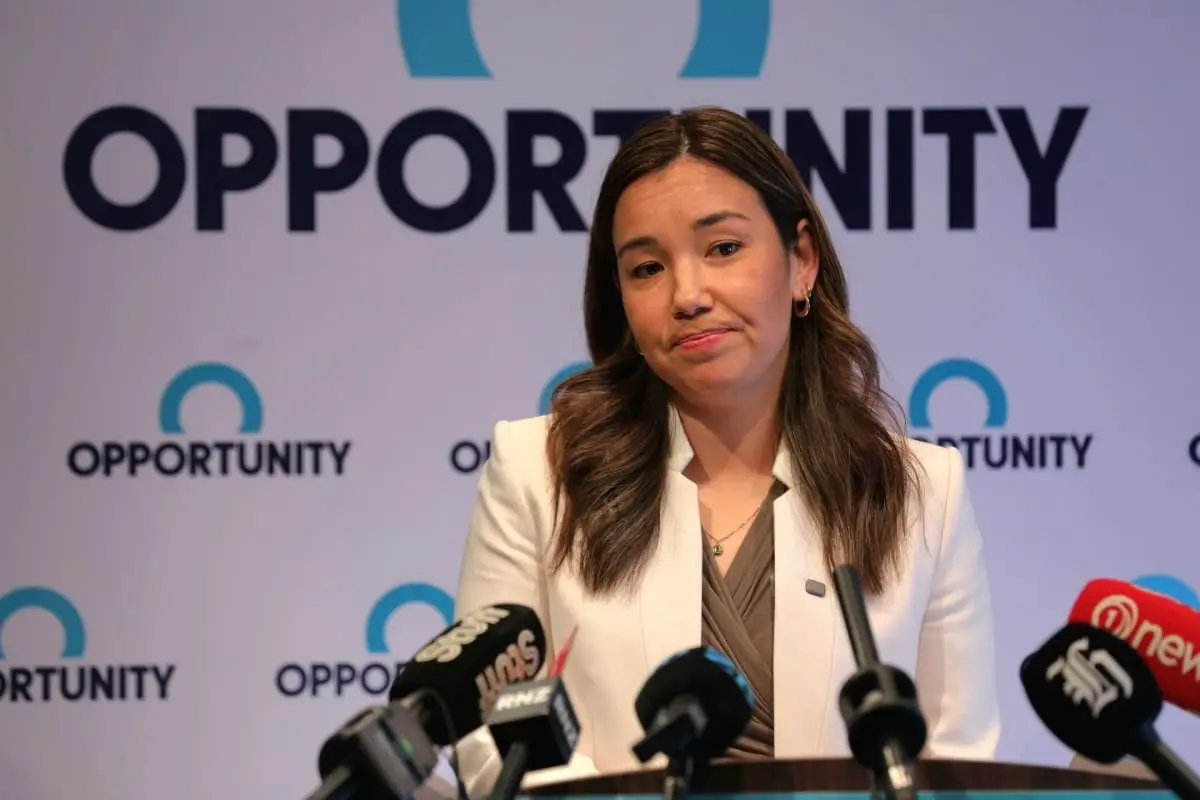
Last week party leader Qiulae Wong set her terms for post-election negotiations.
"Opportunity will require an end to bottom trawling in sensitive areas, including the Hauraki Gulf, immediately. And we'll begin work to progressively phase it out completely.”
That policy has upset commercial fisheries.
Moana New Zealand chief executive Steve Tarrant said the suggestion was irresponsible.
"People believe you can just ban bottom trawling, or we can transition away from bottom trawling to another method, and everybody will be hunky-dory, right? That is far from the truth.
"Seventy percent of all of the volume that is caught in New Zealand is by bottom trawling. I just think it's irresponsible for any political party to propose effectively shutting down an entire industry through a single, blanket policy."
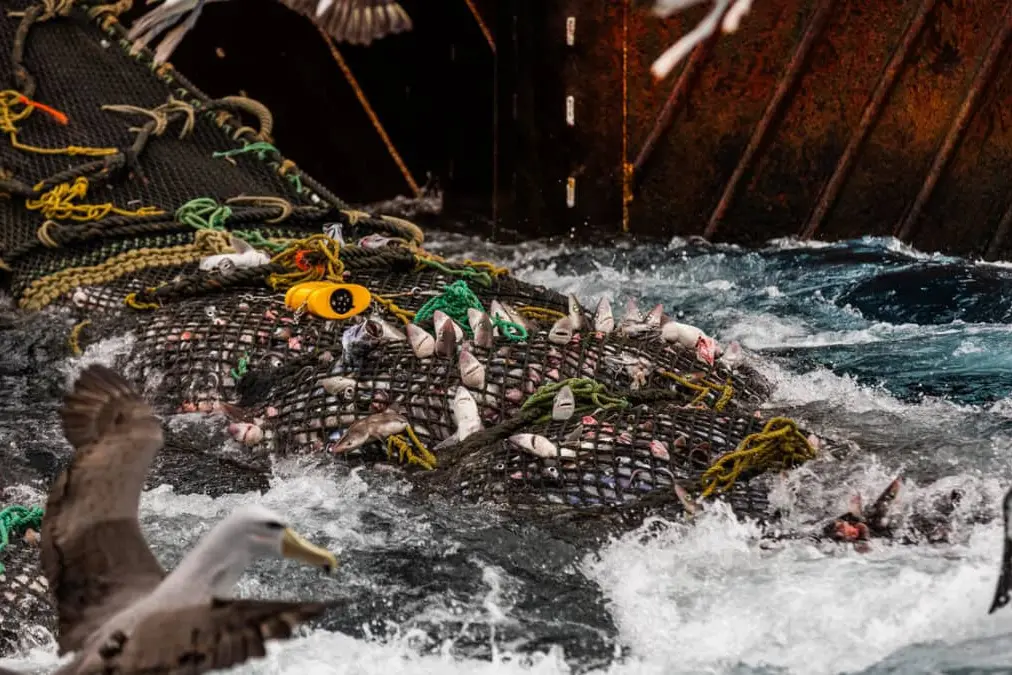
Bottom trawling involved dragging nets just above or along the ocean floor.
Greenpeace oceans campaigner Ellie Hooper said it was destructive.
"This is like widespread bulldozing of our oceans, and it needs to stop. We need to start a transition away from it, and we've seen the can kicked down the road on this by multiple governments."
Greenpeace was not calling for an immediate nationwide ban, but a phased, targeted ban on the most impacted areas, she said.
"The way we're seeing it represented is that we're calling for all fishers to be out of work, it's just not true.
"The thing is, if the government doesn't legislate on this issue and doesn't take action to close areas to bottom trawling, we're just going to get stuck in this cycle and the ocean is going to continue to decline."
National and Labour have previously suggested they would not ban bottom trawling.
But at Tuesday's televised leaders debate both took a different tone.
Asked whether he supported phasing in a ban on bottom trawling, Labour's Chris Hipkins answered yes - after a brief pause.
National's Christopher Luxon said he was open to it.
"The challenge is balancing the two billion dollars and 9000 jobs associated with bottom trawling, and 70 percent of our fish coming from that source, so you've just got to think through the second and third-order consequences of that."
Sealord chief executive Doug Paulin viewed the switch as a populist move in the face of dismal polls.
"I think it's unsurprising. It is a relatively populist position that some of the parties have taken."
A ban would represent a massive barrier for the industry, he believed.
"It's all very well to say we're going to phase it out, but there's no technique globally you can use to catch those fish economically. Until you actually get a technique that can economically catch those fish, you're essentially saying 'you need to stop catching those fish'."
But once the next government was established and reality sank in, he thought they would change course.
"Inevitably they'll say 'well, give us the facts and the implications if we were to proceed with this,' and once those things are laid on the table I think it becomes a much more difficult decision."
