
PHOTO
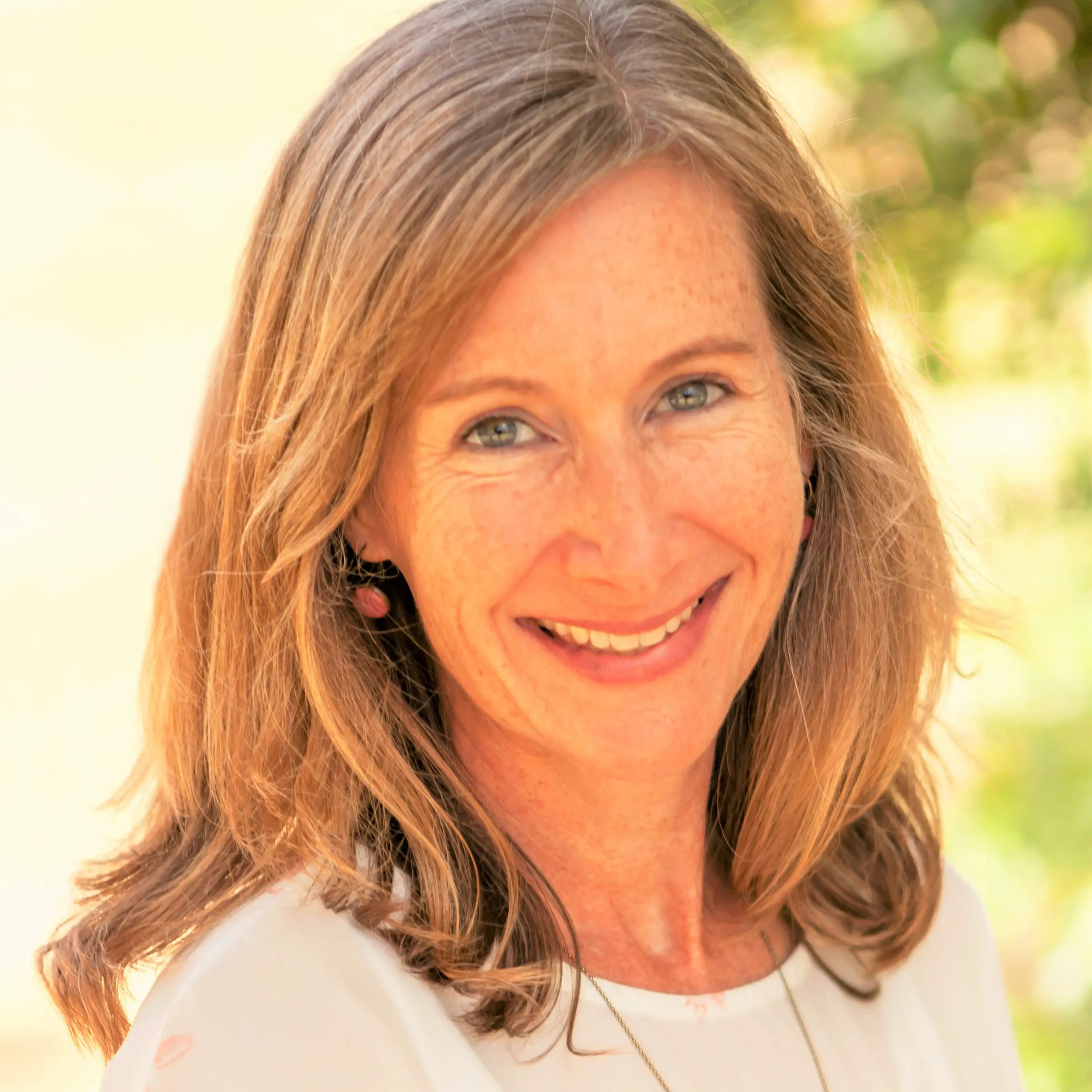
Chicago to London to San Francisco to Tapanui might seem an unusual trajectory.
But that was the path American-born Kathy Dedo took after meeting a West Otago boy while she was working in London and following him home.
That was 20 years ago, and Ms Dedo’s focus shifted from her previous corporate career in the United States and United Kingdom to community, most latterly in Wānaka where she now lives with her New Zealand-born family.
Ms Dedo described the Institute of Directors’ scholarship fund initiative as a "brilliant idea", saying it came at a great time for her focus on professional development this year. "Being able to do the course, it’s a great next step in my governance journey," she said.
Executive search and consulting company SWR Group supported the IoD with the project, providing funding for places on the IoD’s company directors’ course, a five-day course for those with a minimum of three years’ experience on a board, and places on the Governance Essentials suite of one-day courses. More than 90 applications were received from throughout the country.
The early part of Ms Dedo’s career was in management consultancy; she worked in corporate strategic planning, organisational and leadership development, and marketing/communication.
She recalled it as an exciting career, working with leaders of some very large companies, and a great learning opportunity as she worked with organisations and companies around the world.
But meeting her future husband Phil was to change things dramatically as she moved to the "wonderful" community of Tapanui where she was on stage as the gold-digging lead in the West Otago Theatrical Society’s production of Me and My Girl a month after giving birth to her first child.
After a while, the family shifted to Wānaka, where they had previously bought a house before prices "got too crazy", having anticipated a move to New Zealand.
At that time, there were not many corporate consulting jobs in Wānaka, or remote work, so Ms Dedo threw herself into the community and volunteered on the committees and boards of the likes of parent-related organisations. It was a similar involvement to what so many others did, communities being the engine "for so much mahi" in New Zealand, she said.
Later moving into paid work, she worked as family and community outreach for the Presbyterian Church before taking a role with Community Networks/Link, the one-stop community support and connection centre in the Upper Clutha.
She worked there for six and a-half years and co-managed the organisation, saying it was a privilege to work alongside so many other community groups and organisations.
She also started taking on governance roles and those opportunities grew over time, from voluntary to local ones and then regional roles. She was elected a trustee of the Central Lakes Trust in 2019 and is now deputy chairwoman, and she joined the board of Sport Otago two years ago.
She was also appointed to Kāpuia, the ministerial advisory group on the Government’s Response to the Royal Commission of Inquiry into the terrorist attack on Christchurch mosques.
She was encouraged to apply for the position by a colleague, who was a leader in the Muslim community, in her Leadership New Zealand cohort. Leadership New Zealand is a year-long national programme that engages diverse leaders with the country’s big issues. She took the course in 2019 and it was a "transformational opportunity", she said.
The Royal Commission of Inquiry produced a report with 44 recommendations of what the Government should do differently to prevent such a tragedy happening again.
Kāpuia’s job was to be a representative group of New Zealand with which Government agencies could engage and get input on work plans. It was the first entity of its kind and Ms Dedo said it was a real privilege to be involved and work alongside those with lived experience of racism, harm and tragedy.
It had also been a great learning experience to understand better how central Government worked, that was something which was a "big beast and mystery" to many.
Central government was a hugely slow and frustrating system but there were so many wonderful people doing their best and committed to the anti-racism and social cohesion space.
Once she got to the point of having her three governance roles, Ms Dedo left her management job to focus on those. Returning home from visiting family in the US, she was "truly pleased" to get the news of her scholarship fund success.
Wānaka was a "wonderful place to live"with a great sense of community and while many people were drawn by the Upper Clutha’s beauty, it was the people that made them stay, she said.
When it came to the appeal of governance, Ms Dedo enjoyed the variety, the strategic opportunity and strategic level view and the opportunity to make an impact.
"We owe it to our communities as not-for-profit directors to ensure boards of organisations are high performing and individual skills continually improving," she said.
There was also the opportunity to see systemic change, to see things change for the better and to learn from other directors. In all three of her current roles, she was surrounded by talented people who had a real passion for the work they were involved in, and that was really encouraging, she said.
In the post-Covid world, all organisations were complex, whether management or governance, roles were more time-consuming and there was more at stake. Businesses were often living on the knife edge of success or failure and having the right directors or trustees could "make or break".
"You’re affecting the future of an organisation," Ms Dedo said.
So what makes a good governor?
"Someone who cares comes to mind first," she said, adding that they also needed to be aligned with the organisation they were working with and be well-rounded.
They might have a specialist skill-set, whether that was the likes of cyber security, communications or finance, but that was used in a team and being collaborative was really important, along with being open-minded. It was not about a one-person board, it was a collaborative working environment and it took skill to be a good collaborator, she said.
Ms Dedo believed there was somewhat of a staid image that boards were loaded with accountants and lawyers, whose skills might be needed, but it was also about looking for lateral thinking and opportunities to ask questions that "other people aren’t asking". The beauty of a team was getting those different perspectives.
Understanding the role of governance versus management was also important. There were skills that were required but could could be learned such as finance, risk management and legal.
Focusing on governance and professional development took time and Ms Dedo said she was still learning. "I do feel experienced with a small ‘e’. I’m looking to become experienced with a big ‘e’," she said.
But she was living in a region that she cared about and the intention of so many NFPs was to make life so much better for those people around them. "You get to experience the difference your mahi makes when you are working in situ," she said.
There was also the flexibility of being a professional director and she also enjoyed that aspect, meaning she could walk the dog along the lakeside, go for a run in the mountains or go skiing "as and when" — "that doesn’t mean all the time", she laughed.
IoD chief executive Kirsten Patterson said the IoD understood the challenges that not-for-profits faced and what it meant to govern them.
"The [scholarship fund ] initiative is about helping to build a solid foundation in strong governance for the not-for-profit sector. We were pleased with the number of applicants, which illustrates the need and demand for further upskilling and knowledge-building in the sector."
Sitting on a not-for-profit board could present a range of complex issues many might not expect.
"There are myriad challenges for all industries and sectors, but NFPs face the additional pressure of seeking funding which can become the priority for these boards. What were hoping through the scholarship fund is to support the sector to continue to thrive and provide the necessary skills and knowledge when encountering this new terrain that all directors are facing," she said.