
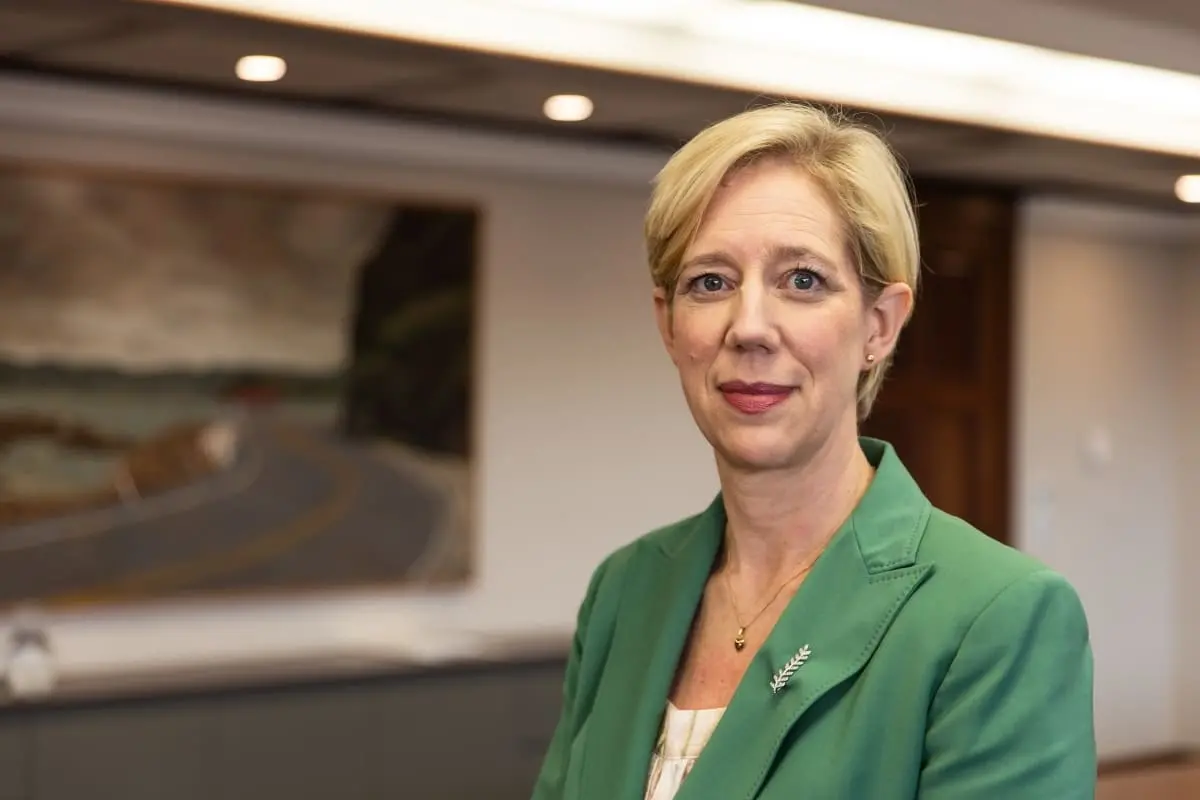
PHOTO
The Reserve Bank has raised the official cash rate (OCR) for a second meeting in a row to tackle inflation pressures, and has signalled more increases could be coming this year.
The Monetary Policy Committee raised the benchmark rate by 25 basis points to 2.75, percent following a similar sized rise in July.
The move upwards was widely predicted by economists.
The committee said inflation had surged because of the Middle East war, but discounting the spike in fuel prices was on the way down.
"Excluding vehicle fuels, annual CPI inflation decreased to 2.9 percent in the June quarter. Most measures of core inflation are within the 1 to 3 percent target band."
It said higher fuel prices would drop out of the annual inflation calculation, and along with the slack in the economy and gradual rises in the OCR then inflation would hit the desired 2 percent rate by the end of 2027.
It said the economy has shown signs of recovery after being knocked off track by the US-Iran conflict.
"After lacklustre growth in the June quarter, New Zealand's economic recovery has most likely resumed, but remains uneven."
It said strong exports were boosting incomes and investment in parts of the economy and in the regions, which was being offset by weak income growth, job insecurity and flat house prices which were weighing on household spending.
The committee said global events posed risks to recovery and tackling inflation and would be a factor in setting rates.
But it signalled further rate rises to come.
"The committee judges that gradually removing monetary stimulus is appropriate to return inflation to the 2 percent target mid-point while supporting growth and employment.
"Future policy decisions will depend on the committee's judgement of the balance of risks to medium-term inflation."
The committee has two further meetings this year, in October just before the election and December.
Interest rate guidance in the statement suggested at least one more 25 basis point rise to 3 percent by year end, and possibly two more rises by the middle of next year.
