
PHOTO
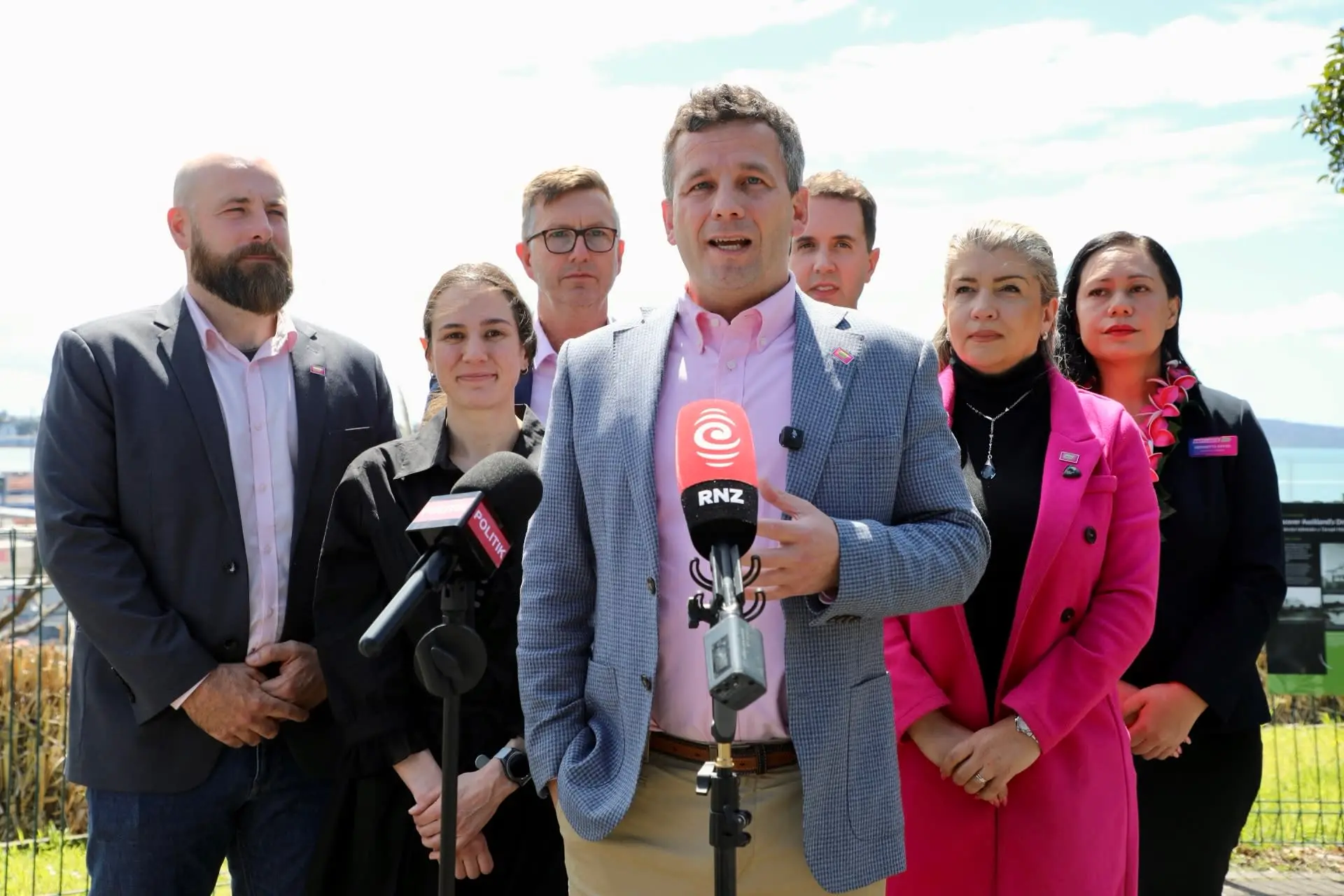
ACT leader David Seymour has hinted his party's upcoming fiscal plan will once again contain a commitment to raise the superannuation age to 67.
The party would release its fiscal plan on Sunday, one day ahead of National's, with Seymour signalling a focus on cuts with no new taxes.
On Wednesday, in another preview of the party's fiscal plan, Seymour announced ACT would scrap the cap on charitable donations being able to receive tax credits.
In a speech to Gravity Credit Management on Thursday morning, Seymour, who had spent three years as an associate finance minister, said the government's promise of a surplus in two years' time relied on "heroic" revenue assumptions, such as the government taking in $12 billion more this year than last year.
"We cannot balance the budget when non-health, non-education, non-transfer spending is over 10 percent higher than it should be."
He attacked Budgets by former Labour Party finance minister Grant Robertson (whom he labelled a "spendthrift pinko") and incumbent Nicola Willis, of National, saying "extraordinarily" after three of her budgets New Zealand was two-thirds closer to peak Covid spending than pre-Covid spending.
"I regret that we haven't saved more than $14 billion. The fact Labour find it so easy to cosy up to our government's fiscal track is a telling sign," he said.
"Labour and National fight like two bald men fighting over a comb, but they're not so different."
He said the next government would have to assess where efficiency had gone wrong in the past decade and work out how to be at least as efficient as 10 years ago.
"You might ask why I'm saying this now after being part of the government for three years. Our party signed up for a 2017 baseline exercise three years ago, but most of the government refused to implement it.
“Today, reality is calling — and wants its money back."
While the speech did not set out any definitive policy that would be in Sunday's fiscal plan, Seymour recommitted to ACT's policy to raise the superannuation age of eligibility.
"The superannuation bill is rising at nearly $2 billion each year. Longer lives, fewer kids. Only two taxpayers per superannuitant by mid-century. Something has to give, and it will. The only real question is whether we plan the change and make it gradually on our terms, or let it happen to us fast amidst a fiscal crisis."
While he said raising the age of entitlement was inevitable, the government should do so carefully and slowly, with the conditions that KiwiSaver remained available at 65, that people who had worked more than 20 years in a physical job got early compassionate access, and that tax was taken off KiwiSaver investment returns.
"Adjusting by three months saves about $400 million. Adjusting two years would save over $3 billion a year, nearly three quarters of a percent of GDP.”
Labour, the Greens and New Zealand First are all campaigning to keep the super age at 65.
National, which holds a view it should rise to 67, had softened its language this election, with leader Christopher Luxon saying it "probably" should rise, but acknowledging the lack of political consensus.
While National would still put forward a superannuation policy this election, it had been keen to highlight policies to make KiwiSaver compulsory and increase the default contribution rates.
Seymour also criticised a "dumpster fire of a policy debate" that New Zealand had descended into, singling out parties' supermarket policies in particular.
"I regret that the political environment has become so panicked that threatening businesses who've done nothing wrong has become a legitimate political strategy."
