
PHOTO
Te Pāti Māori wants to increase Māori and community ownership of new renewable energy assets, establishing a $1 billion Energy Sovereignty Fund in the process.
The party's 'energy sovereignty' election policy would set up a fund to administer grants, concessional finance, guarantees, equity investment and co-investment so hapū, iwi, marae, Māori landowners and communities can acquire permanent stakes in energy assets.
The fund would also invest in energy resilience projects, community batteries, Māori energy businesses, and workforce development, aiming to reduce household energy costs and increase resilience.
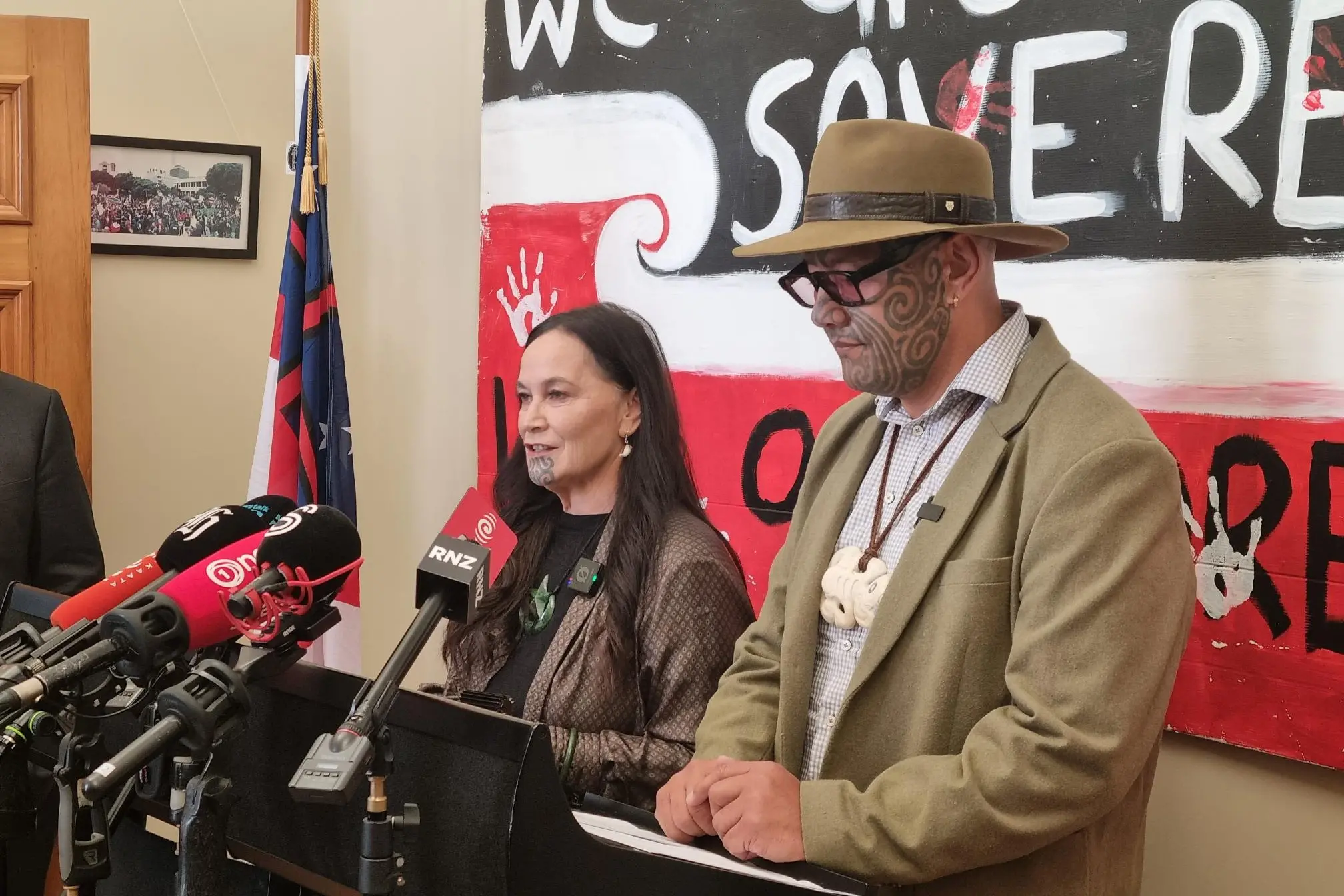
Co-leader Rawiri Waititi said on Wednesday replacing fossil fuels with renewables, but leaving the ownership and profits in the same hands would transform technology, but not the system.
"Every party is talking about generating more electricity. We're asking the question they keep avoiding: who will own it?" he said.
Te Pāti Māori would establish a National Energy Independence Plan, to deliver "measurable reductions" in household energy costs and "measurable increases" to Māori ownership.
The party would also strengthen the powers of the Commerce Commission and Electricity Authority to investigate excessive pricing and profits and strengthen competition.
Like Labour, the Greens and National, Te Pāti Māori said it supported the Ratepayer Assistance Scheme to increase access to solar.
The party's policy document said the transition to renewables must uphold tino rangatiratanga, and not reproduce an economic model where value was extracted from Māori communities, while the ownership, decision-making, and economic benefits accumulated elsewhere.
"Māori must have meaningful rights and interests in ownership, governance, investment, development, employment, procurement, benefit sharing and decisions affecting whenua, wai and other taonga," the document said.
"The renewable transition cannot become the next extractive economy. Renewable development must honour Te Tiriti, protect mana whenua decision-making, uphold strong environmental standards and avoid shifting environmental harm onto mokopuna generations.”
