
PHOTO
Te Waipounamu's first wahine Māori Anglican bishop will open a cult conference in Christchurch in October, as survivors and their supporters work to raise public awareness about the physical, psychological and spiritual harm caused by coercive high-control groups.
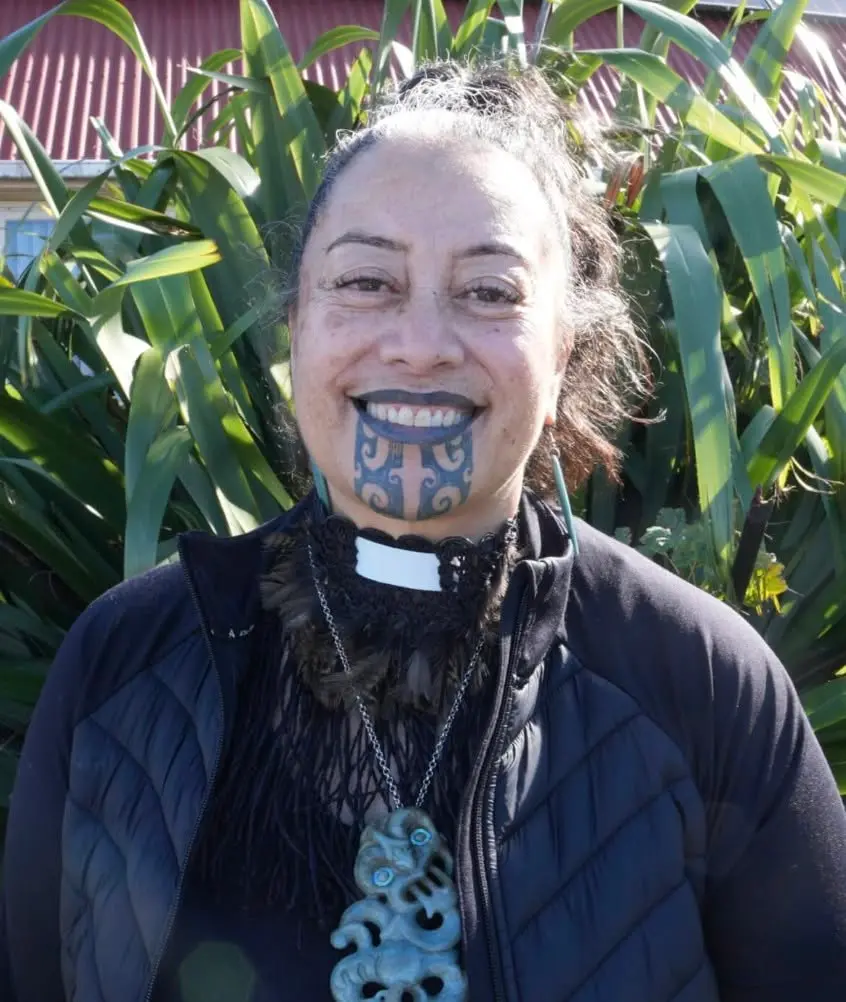
Bishop Susan Wallace (Ngāi Tahu, Ngāti Whātua, Ngāti Wai) will speak on the first day of the Decult conference at the Christchurch Town Hall.
The Labour Weekend symposium - "Voices of Courage: Pathways to healing and justice"- is aimed at improving support services for cult leavers, examining how police, politicians and social services respond to cults and exploring opportunities for legislative change, following a sold-out inaugural event in 2024.
More than 50 local and international speakers were booked to attend the conference, including US psychologist Dr Christine Marie, who infiltrated a polygamist sect to expose a self-proclaimed prophet in the Netflix series Trust Me: The False Prophet, and US cult expert Rachel Bernstein, who is also visiting Auckland to offer the only New Zealand training in cult recovery therapy.
They will discuss topics including children's rights, Māori in cults, tradwives, Christian nationalism, megachurches, modern slavery and purity culture.
Wallace is the third Pīhopa ki Te Hui Amorangi ki Te Waipounamu, the second wahine elected to the office of Pīhopa and the first to wear a moko kauae.
She told RNZ she was drawn to the conference because of the focus on survivor voices, dignity and pathways to healing and justice.
"It's about stories that deserve to be heard, about healing after harm and it's about restoring dignity where it has been diminished," she said.
"As a Māori, as a Christian leader, I carry a deep belief that communities should be places where people are safe. Every person carries mana, they deserve to be treated with respect, care and tenderness.
"When people have experienced harm or coercive control it matters that there are spaces they can be heard without being dismissed and where healing can begin."
Although she did not have special cult expertise, Wallace said she came with respect for the courage of people who shared their stories and a willingness to listen, learn and make things better.
"I'm very new to this kaupapa. The more I read the more I hope there's an opportunity, not just through this conference but through raising awareness about the impact on those who have left cults, in the hope we can open up spaces where they will be believed, that they know and understand that their story matters, their dignity matters," she said.
"When we listen with humility and care, we can help to make a space for healing, understanding and hope."
In 2024 the Anglican Church apologised to survivors of abuse in its care, after the Royal Commission report detailed widespread sexual abuse at Anglican schools, children being locked in solitary confinement in Anglican children's homes, sexual abuse by Anglican priests and forced labour at homes for unwed mothers.
Wallace said the church was doing its utmost to be survivor-focused and supportive, with an independent body overseeing ministry standards and formal complaints processes.
"We're working very, very hard to right those wrongs and to ensure that anyone who is spending time with us can feel safe, loved and treated with compassion," she said.
Decult director Anke Richter said many conference speakers had been members of groups including Gloriavale, Jehovah's Witnesses, Falun Gong, Destiny Church, Mormons (The Church of Jesus Christ of Latter-day Saints), Exclusive Brethren (Plymouth Brethren Christian Church), The Truth (Two by Twos) and Korean Bible cults.
She said the conference would address serious public health and human rights issues.
"More than 50,000 New Zealanders are current or former members of coercive high-control groups," she said.
"Many survivors have lasting complex trauma and other health problems after leaving, especially those who were born and raised in a cult, which is the majority. Most don't get the professional help they need and are faced with stigma.
"Their suicide rate is 10 times higher than for the average population. Cults have a hidden death toll."
In July a Victorian parliamentary inquiry into the recruitment methods and impacts of cults and organised fringe groups made 39 recommendations focused on outlawing coercive control in groups, safeguarding children and preventing harm.
Former Geelong Revival Centre member Ryan Carey, who campaigned for the landmark inquiry, will also speak at the Decult conference.
Richter said the dynamics of coercive high-control groups were the same in New Zealand as in Australia so she hoped politicians were taking notice.
"We are very excited to bring Ryan to this conference, he is a hero. Not only did he and his wife leave the Geelong Revival Centre, but they became whistleblowers, went public and lobbied politicians, all while dealing with their own cult trauma. I hope their experience starts a conversation with politicians, policy-makers and lawyers in New Zealand," she said.
The conference runs from 24-25 October and will also be live-streamed worldwide, followed by a survivor support day.
